
What is the best pest control software for Altoona operators?
Short answer
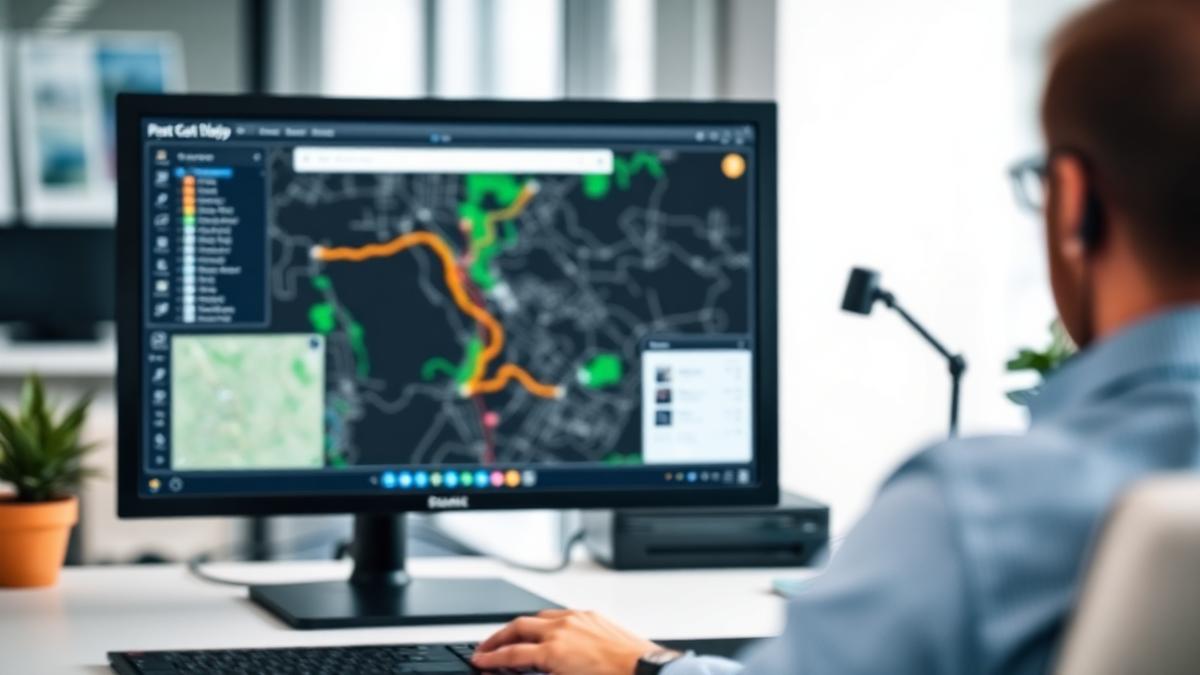
The most effective software architecture for Altoona operators splits front-of-house customer communications from back-of-house route scheduling. By pairing Pest AI on the front desk for instant call answering and automated follow-up with an established field management platform like FieldRoutes on the back end, operators maintain total control over steep hillside routes and shared-wall property histories.
The front-of-house and back-of-house split for Blair County routes
Altoona operators face an operational geography unlike flatland markets. Routes swing quickly from tight brick rowhomes in Juniata and Fairview to hillside properties carved into the steep Pennsylvania Railroad grade. Attempting to force a single, all-in-one software platform to handle both high-velocity front-of-house lead intake and complex back-of-house technician routing typically creates operational bottlenecks. Front-of-house operations demand instant call answers, multi-channel messaging, and immediate automated quoting before a prospect calls a competitor. Back-of-house operations require specialized dispatching, inventory control, route optimization, and billing functions. The optimal technology architecture splits these responsibilities into two purpose-built environments tied together through automated synchronization. Pest AI manages the front-of-house communication stack, serving as the live digital front desk that answers calls instantly, captures inquiry details, and nurtures leads. Meanwhile, an established operational system like FieldRoutes handles the core field mechanics, recurring service setups, and mobile technician workflows. Separating these roles prevents your front office from getting bogged down by field administration while ensuring field crews receive complete account histories before stepping onto a job site. This dual-system approach keeps drive times tight across Blair County while capturing every incoming sales lead.
What Pest AI owns on the front end of your Altoona operation
The front-of-house environment controls how quickly an Altoona pest enterprise responds to new revenue opportunities and incoming customer requests. Pest AI provides the AI systems that govern inbound phone calls, text messaging, website inquiries, and prospect follow-ups. In Logan Valley, where trapped humidity extends carpenter ant and silverfish activity weeks into the fall, call volumes remain elevated long after drier regions slow down. The front-of-house system captures these leads immediately, operating around the clock so no inquiry drops to voicemail. Utilizing the AI Sales System, known as PestCRM, the front end qualifies incoming inquiries based on property type, structural characteristics, and target pest pressure. It automatically references party-wall history for connected rowhomes along Fifth and Sixth Avenues, ensuring quotes reflect shared-wall risks before a technician arrives. By deploying automated two-way SMS and instant phone responses, the front-of-house system converts leads into booked inspections without requiring manual intervention from office staff during peak hours. This ensures your front desk maintains an unbroken response record regardless of seasonal spikes, off-hours inquiries, or sudden weather-driven pest migrations down from the surrounding ridges.
- Live 24/7 inbound phone call answering and instant call back
- Two-way automated text messaging and lead nurturing
- Property qualifying and instant price estimations via PestCRM
- Party-wall history checking for connected rowhome inquiries
What FieldRoutes owns on the back end for field operations
While front-of-house AI systems focus on immediate response and conversion, the back-of-house system manages operational execution in the field. Third-party field management platforms, such as FieldRoutes, serve as the operational backbone for technician scheduling, vehicle routing, chemical tracking, customer invoicing, and recurring service contract management. Third-party names are trademarks of their respective owners and are referenced here solely for functional compatibility. In an Altoona operation, back-of-house software ensures field technicians navigate efficiently between distinct submarkets, from commercial accounts along Route 220 in Tyrone to residential routes in Hollidaysburg, Duncansville, and Roaring Spring. The back-office platform manages batch billing, chemical application records required by state regulators, and recurring payment processing. It provides the field application that technicians open on their mobile devices to record job notes, capture customer signatures, and update service statuses in real time. By focusing exclusively on route logistics, inventory control, and financial processing, specialized back-office software gives field managers full operational visibility across Blair County. Keeping these heavy transactional databases focused strictly on operational mechanics maintains high system speed and prevents administrative friction during busy daily dispatches.
- Technician route optimization across valley and hillside territories
- Recurring agreement management and automated batch billing
- State chemical compliance logging and target pest tracking
- Mobile field app sync for real-time job completions
How two-way synchronization protects party-wall service histories
A successful dual-system architecture relies on continuous, two-way data integration between the front-of-house AI system and the back-office management software. In dense neighborhoods like Fairview and Juniata, narrow brick rowhomes built for historical railroad workers share common party walls and contiguous roof lines. German cockroaches and house mice routinely traverse these shared structural pathways, moving from one unit to the next. When a resident calls regarding a new infestation, the front-of-house AI queries the back-office system to check if neighboring addresses have active service agreements or recent treatment histories. If a match exists, the AI Sales System provides context to the prospect and attaches historical unit notes to the new service record. Once the lead converts, the front-of-house system automatically pushes customer records, property details, and preliminary inspection notes into FieldRoutes to generate a scheduled work order. When technicians complete their service calls in the field, updated inspection notes and technician recommendations stream back to the front-of-house AI. This bidirectional loop ensures that sales messaging, follow-up texts, and future service calls always reflect precise property history without manual data entry.
Managing elevation shifts and seasonal moisture pressure in Altoona
Altoona features steep vertical changes and microclimates that directly influence local pest movement and service duration. Rainwater draining off the Horseshoe Curve grade washes down steep hollows toward hillside foundations in Fairview Heights, creating damp perimeter conditions that concentrate mouse activity and yellow jacket nests against aging foundations. At the same time, older housing stock near the historic rail shop districts contains low stone-foundation crawl spaces dating to the early 1900s. These unsealed structures demand longer, heavily documented initial inspections that require accurate time allocation on dispatch calendars. Front-of-house AI systems categorize incoming requests by geographic elevation zone, foundation type, and seasonal pest activity during the initial dialogue. By identifying structural realities up front, the AI passes rich context to the back-office platform, allowing dispatchers to allocate realistic service windows for complex crawl space treatments. This prevents technicians from rushing thorough inspections or falling behind schedule on hillside routes. Coordinating call intake intelligence with back-office route planning ensures crews arrive prepared with correct equipment, detailed entry notes, and achievable time blocks for challenging terrain.
- Elevation-aware call sorting to cluster hillside foundation calls
- Intake tags for early-1900s stone foundation crawl spaces
- Extended time allocation for moisture-driven late autumn insect pests
- Automated prep instructions sent via SMS based on foundation type
Choosing an implementation partner over standalone software
Implementing a modern front-of-house and back-of-house architecture requires deliberate configuration tailored to local operating conditions. Pest AI serves as an implementation partner rather than a self-serve software vendor. We build, connect, and calibrate the AI systems that run your front-of-house communications while ensuring seamless integration with your chosen back-office platform like FieldRoutes. Rather than forcing your internal team to configure complex software workflows, write communication scripts, or troubleshoot API connections, Pest AI builds the complete front-end operational system to match your specific territory. We handle the integration logic so that party-wall protocols, elevation-based intake sequences, and automated lead follow-ups operate reliably from day one. As local pest pressures shift across Altoona, Hollidaysburg, and Tyrone, we adjust and refine your AI systems to maintain peak conversion rates and workflow efficiency. Your leadership team retains total operational control over field services, pricing, and staffing while leveraging a fully managed, custom-built AI communication engine. Partnering with dedicated AI specialists eliminates technical overhead, modernizes customer touchpoints, and protects your margin across every Blair County service corridor.
Signals to check in your own Altoona numbers
- Unanswered call rates during autumn rodent spikes along the Horseshoe Curve grade
- Average quote turnaround time for Fairview and Juniata party-wall rowhome requests
- Route density metrics balancing valley flatlands with steep hillside neighborhoods
- First-service completion rates on early-1900s stone-foundation crawl space inspections
Where this leads
For most Altoona operators this decision points at the FieldRoutes integration. We are an implementation partner, not a DIY platform, we build the AI systems around how your market actually behaves, hand them over documented, and your team runs them. The national version of this question, without the local specifics, is covered in our AI guide.
Altoona questions we get asked
More Altoona guides
- Should you use AIShould I use AI in my Altoona pest control business?
- Will customers talk to AIWill pest control customers in Altoona talk to AI?
- Best AI for pest controlWhat is the best AI for pest control in Altoona?
- Speed to leadHow can Altoona pest control companies win with speed-to-lead?
- Local marketingHow should pest control companies in Altoona market themselves locally?
- Reviews & reputationHow can Altoona pest control companies get more reviews and protect their reputation?
- Seasonal playbookWhat is the seasonal pest control playbook for Altoona?
- Commercial AIHow does AI help commercial pest control accounts in Altoona?
- Hiring vs AIShould Altoona pest control operators hire office staff or use AI?
Related guides in your area
More reading for operators working Altoona, PA and the markets around it.
The same question in nearby markets
More for Altoona
Across Pennsylvania
Want a straight read on your own Altoona numbers? A discovery call is a conversation, not a demo, and we will tell you if you are better off waiting.
Book a Discovery Call