
What is the best pest control software for Dallas operators?
Short answer
The best software architecture for Dallas pest control operators pairs a high-speed front-of-house AI system like Pest AI with a reliable back-of-house field management platform like FieldRoutes. This two-way integration allows operators to instantly capture inbound leads and book appointments around the clock while keeping technician routes efficient across the expansive Metroplex.
the front-of-house vs back-of-house split in dfw pest operations
The ideal software strategy for a Dallas-Fort Worth operator splits responsibilities cleanly between front-of-house growth and back-of-house operations. Many operators attempt to find a single all-in-one system to manage every part of their business, but field management platforms built for routing and billing rarely excel at instant lead response or conversational intake. A modern North Texas pest enterprise requires two specialized layers working together. The front-of-house layer consists of dedicated AI systems that handle incoming phone calls, web forms, text messages, and direct sales follow-up the second a lead arrives. The back-of-house layer handles route optimization, technician dispatch, inventory, recurring billing, and service histories. When you pair an advanced front-of-house engine like Pest AI with an established operational platform like FieldRoutes, your business gains the ability to convert leads immediately without overloading your administrative team. This division allows your back-office operational software to perform what it does best while guaranteeing that no prospect hanging on the phone after hours goes unanswered. In a metro area spanning Collin, Denton, Tarrant, and Dallas counties, holding this clear operational separation keeps your office lean, your dispatchers focused on service delivery, and your sales pipeline perpetually active.
why all-in-one field management platforms fall short on speed to lead
Back-office systems such as FieldRoutes, PestPac, and Briostack excel at managing field data, organizing technician schedules, and keeping accounts receivable structured across thousands of recurring customer accounts. However, these platforms were never designed to act as high-speed conversion engines. Third-party software names are trademarks of their respective owners and are referenced here solely for compatibility and integration context. When a homeowner in Plano or Irving fills out a contact form on a Saturday morning or calls while commuting home on the Sam Rayburn Tollway, traditional back-office tools simply hold the data in a queue until an administrative employee opens their workstation on Monday morning. By that time, the prospect has already spoken to a national brand with a centralized contact center. Attempting to force an operational platform to act as an immediate sales responder leads to delayed response times and dropped leads. DFW homeowners shopping for pest control compare three to four local options in a single sitting. Relying on standard field software for lead response means your company loses high-intent calls during peak evening hours, storm events, and seasonal surges across the Metroplex.
connecting the ai sales system to fieldroutes via two-way integration
Connecting Pest AI to your back-of-house operational software establishes a real-time, two-way sync between your front-of-house sales engine and your dispatch schedule. As an implementation partner, Pest AI builds and customizes these AI systems specifically for your business, ensuring you do not have to configure or manage complex software yourself. When an inbound inquiry arrives, the AI Sales System engages the lead instantly, answers technical questions regarding North Texas pests, and identifies the exact service required. If the prospect is ready to schedule, the system inspects your live calendar parameters in FieldRoutes, finds an open service window within the correct geographic zone, and books the appointment directly into the schedule. Once booked, all customer notes, service details, and entry preferences flow cleanly into your primary database. Conversely, service updates and account changes made by your office team sync back to the front-end system. This seamless architecture ensures that your office staff never has to manually rekey customer data, cross-reference calendar slots, or call prospects back just to confirm routine appointment details.
navigating north texas seasons, clay soil, and termite swarms
Pest patterns across the Blackland prairie clay require precise timing and immediate communication. Subterranean termites swarm across DFW during warm, humid days following spring rains between February and May, generating a sudden deluge of high-value inspection requests within hours. In August, summer droughts cause expansive clay soils to contract, creating deep foundation gaps that drive rodents, American cockroaches, and striped bark scorpions indoors. Additionally, rapid residential development in Frisco, Prosper, Celina, McKinney, and Haslet exposes freshly disturbed soil, triggering severe fire ant pressure for new homeowners. During these seasonal spikes, phone volume rapidly overwhelms human CSR capacity. If a caller reaches a busy signal or voicemail during a spring termite swarm, they immediately dial the next company on their search results. AI systems handle unlimited simultaneous inbound calls and texts without degradation in quality or response speed. By capturing every surge lead, qualifying the specific pest condition, and setting up initial inspections on the spot, your operation secures high-margin accounts while competing firms struggle to return voicemails.
protecting windshield time across collin, denton, tarrant, and dallas counties
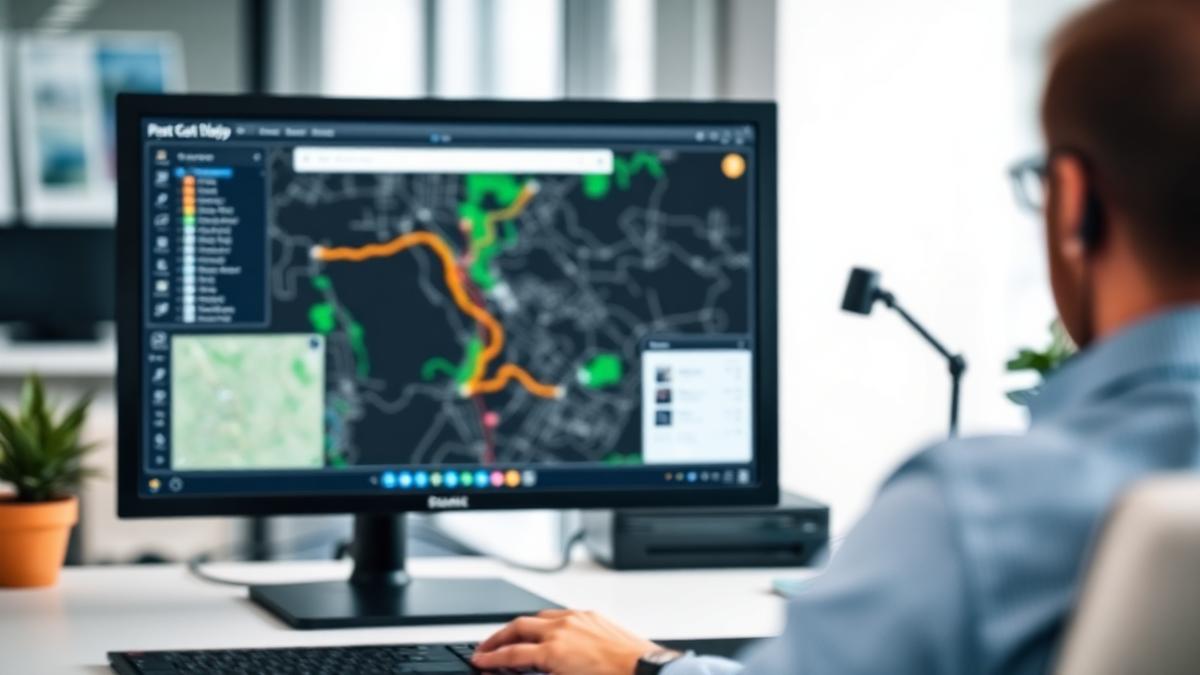
Managing drive time across 9,000 square miles requires strict scheduling discipline. A service call scheduled in Denton followed by an appointment in Waxahachie puts a technician on Interstate 35E or the LBJ Freeway during peak rush hour, turning two hours of billable work into lost revenue and burnt fuel. The AI Sales System works within defined ZIP code clusters, route buffers, and technician skill sets programmed directly into your operational rules. When booking initial treatments or inspections, the front-end AI evaluates the prospective job location against existing route density in Collin, Denton, Tarrant, or Dallas counties before offering available time slots to the customer. It prevents cross-town scheduling errors by restricting choices to logically grouped service zones. Furthermore, when follow-up marketing is required for unclosed leads or past customers, targeted outreach can be executed using PestMail DIRECT MAIL paired with digital touchpoints to build density in specific subdivisions. Protecting technician windshield time ensures your team completes more stops per day, maintains scheduled arrival windows, and avoids sitting idle in North Texas traffic corridors.
beating national brands and building a resilient dfw enterprise
National competitors maintain offshore or out-of-state call centers to capture after-hours market share across the Dallas-Fort Worth region. Local operators consistently deliver superior field service, but frequently lose market share because they lack around-the-clock telephone and digital coverage. Implementing Pest AI creates parity with national sales centers while retaining the personal, high-quality touch of a local independent operator. Because Pest AI operates as an implementation partner, your leadership team receives fully constructed, tested, and monitored AI systems tailored to your specific service offerings, pricing structures, and brand voice. The front-office system answers late-night inquiries from commuters returning along Highway 635, books weekend calls immediately, and continuously re-engages cold prospects through automated multi-channel follow-ups. By combining an aggressive, instant-response front end with a solid back-office scheduling backbone like FieldRoutes, local pest control operators establish a resilient business model that scales smoothly without ballooning payroll expenses or compromising customer satisfaction.
Signals to check in your own Dallas numbers
- Inbound call response speed during evening commute hours on 635 and the Tollway
- Booking conversion rate on subterranean termite swarm leads from February to May
- Average daily windshield time per technician across Collin, Denton, Tarrant, and Dallas counties
- Percentage of unclosed leads re-engaged using PestMail DIRECT MAIL and automated follow-ups
Where this leads
For most Dallas operators this decision points at the FieldRoutes integration. We are an implementation partner, not a DIY platform, we build the AI systems around how your market actually behaves, hand them over documented, and your team runs them. The national version of this question, without the local specifics, is covered in our AI guide.
Dallas questions we get asked
More Dallas guides
- Should you use AIShould I use AI in my Dallas pest control business?
- Will customers talk to AIWill pest control customers in Dallas talk to AI?
- Best AI for pest controlWhat is the best AI for pest control in Dallas?
- Speed to leadHow can Dallas pest control companies win with speed-to-lead?
- Local marketingHow should pest control companies in Dallas market themselves locally?
- Reviews & reputationHow can Dallas pest control companies get more reviews and protect their reputation?
- Seasonal playbookWhat is the seasonal pest control playbook for Dallas?
- Commercial AIHow does AI help commercial pest control accounts in Dallas?
- Hiring vs AIShould Dallas pest control operators hire office staff or use AI?
Related guides in your area
More reading for operators working Dallas, TX and the markets around it.
The same question in nearby markets
More for Dallas
Across Texas
Want a straight read on your own Dallas numbers? A discovery call is a conversation, not a demo, and we will tell you if you are better off waiting.
Book a Discovery Call