
What is the best AI for pest control in Louisiana?
Short answer
The best AI system for pest control in Louisiana is an integrated intake, dispatch, and communication platform configured specifically for parish-level pest dynamics. Rather than assembling disconnected third-party plugins that fail during May Formosan swarms or hurricane-driven call spikes, Louisiana operators need a dedicated implementation partner to deploy a unified AI infrastructure that books WDIR inspections, routes after-hours commercial emergencies, and handles high call volume without drop-offs.
evaluating louisiana pest control needs across urban, suburban, and rural parishes
Louisiana presents one of the most operationally challenging landscapes for pest management in the nation. Demand varies significantly between the dense urban blocks of Orleans Parish, expanding master-planned communities in Ascension and St. Tammany Parishes, and the vast agricultural expanses of Acadiana and North Louisiana. Below Interstate 10, high water tables, coastal humidity, and damp soil create continuous pressure from Formosan termites, American cockroaches, and rodents. Above Interstate 10, from Alexandria through Shreveport-Bossier City and Monroe, seasonal temperature shifts alter pest activity timelines, creating distinct spring and fall surges. An AI system that treats Louisiana as a single uniform market misses these regional operational nuances. A company serving Metairie and Kenner needs intake rules that differ from an operator running routes across Ouachita Parish or Lafayette. Finding the best AI system requires selecting an architecture built to handle varying soil conditions, localized municipal regulations, and regional pest calendars. Generic off-the-shelf tools lack the flexibility to adapt intake questions based on whether a job site sits in a historic urban center or a rural parish.
- Greater New Orleans urban density requiring rapid intake for historical properties
- Capital Region and Northshore suburban expansion demanding automated route grouping
- Coastal and Bayou parish protocols tailored for year-round mosquito and dampness pressure
- North Louisiana seasonal variance across Caddo, Bossier, and Ouachita Parishes
why plugin sprawl fails during may formosan swarms and storm resets
Many operators attempt to assemble modern AI capabilities by stacking individual point-solution plugins onto their existing dispatch platforms. They add a third-party website chat widget, an automated text responder from a separate provider, and a standalone phone routing utility. In Louisiana, this plugin sprawl disintegrates during peak demand spikes. When May Formosan termite swarms hit New Orleans, Baton Rouge, and Slidell, phone lines flood with dozens of simultaneous inbound calls after dusk. Homeowners who see swarming insects around porch lights call three companies in ten minutes. Disconnected plugins create sync delays, miscommunicate available schedules, or drop incoming text leads entirely. The same point of failure occurs after named storms hit the Gulf Coast. Hurricane recovery disrupts field routes while causing simultaneous spikes in rodent and mosquito emergency inquiries across Lafayette, Houma, and Lake Charles. A disconnected web of tools cannot rebalance schedules or capture overwhelming call volume without human intervention. The best AI system is not a collection of disconnected plugins, but a single connected platform deployed by an implementation partner who understands how to build resilience against extreme regional weather and sudden seasonal volume spikes.
- Instant live answering during high-volume May Formosan termite swarm events
- Resilient intake capabilities that operate without downtime during post-storm call spikes
- Elimination of data lag between front-end messaging and core operational records
- Automated schedule protection when hurricane disruptions freeze standard technician routes
structural intake: differentiating uptown historic raised homes from suburban slabs
A major failure point for generic automated intake in Louisiana is the failure to identify property construction details during initial contact. The structural landscape in Uptown New Orleans, the Garden District, and historic Lafayette features century-old raised foundations on pier-and-beam construction. Meanwhile, newer subdivisions in Prairieville, Gonzales, and Mandeville consist primarily of concrete slabs poured over wet, poorly drained soil. Sending a technician to perform a termite or rodent control service without knowing the foundation type leads to missed equipment needs, inaccurate time allocations, and wasted truck rolls. Effective AI systems deploy conversational intake scripts tailored specifically to Louisiana housing types. The AI system asks home age, foundation style, crawlspace accessibility, and visible damage indicators before locking in an appointment. If a homeowner in the Marigny reports activity under a raised subfloor, the AI logs structural notes directly into the record so the technician arrives with proper gear. By capturing detailed structural intelligence upfront, operators improve first-time resolution rates, protect technician billable hours, and ensure accurate pricing estimates for complex subterranean and Formosan termite treatments across diverse municipal housing stocks.
- Automated intake logic that distinguishes raised pier-and-beam structures from concrete slabs
- Identification of crawlspace accessibility and moisture conditions prior to technician dispatch
- Tailored questioning for historic properties in New Orleans, Lafayette, and Natchitoches
- Instant delivery of structural notes into technician dispatch work orders
speed to lead for wdir inspections and real estate closing deadlines
Real estate transactions across Louisiana rely heavily on Wood-Destroying Insect Reports (WDIR) to meet closing requirements set by lenders and title companies. Whether dealing with residential sales in East Baton Rouge Parish or commercial transfers in Bossier City, WDIR inspections operate under strict legal and financial deadlines. When a real estate agent, mortgage broker, or closing attorney requests an inspection, they rarely wait on voicemail responses. If an operator fails to answer immediately, the agent moves down their list to the next licensed inspection provider. AI systems optimized for Louisiana pest control automate WDIR request capture, validation, and calendar booking around the clock. The AI system identifies high-priority closing requests, gathers closing dates and agent details, and assigns the job to certified inspectors with open route capacity. It sends instant confirmation notices to all involved parties, ensuring the inspection occurs before closing contingencies expire. By maintaining a fast speed to lead on critical property transfers, Louisiana operators establish lasting relationships with top-producing realtors and settlement attorneys without burdening internal office personnel.
- Immediate automated booking for time-sensitive real estate WDIR inspection requests
- Real-time coordination with closing attorneys, real estate agents, and property buyers
- Priority routing for certified wood-destroying organism inspectors across active regions
- Reduced administrative overhead for managing document delivery and deadline tracking
commercial responsiveness in french quarter and food service corridors
Louisiana features a dense commercial footprint driven by world-class hospitality, historic dining corridors, and food processing centers. From the French Quarter and Warehouse District in New Orleans to vibrant restaurant scenes in Lafayette and Shreveport, commercial establishments face strict health code enforcement and severe brand damage from pest sightings. A pest issue reported in a commercial kitchen demands immediate triage, often outside standard business hours. Generic consumer AI tools fail to prioritize these critical commercial emergencies, treating a late-night kitchen inquiry like a routine residential request. An AI platform configured for Louisiana operators immediately recognizes commercial partners, categorizes the severity of the incident, and initiates pre-configured emergency protocols. The system notifies on-call commercial technicians, logs pest sightings with exact facility location details, and provides the business owner with immediate confirmation that help is en route. By delivering instant, intelligent responses to high-stakes commercial facilities, operators safeguard major commercial accounts, maintain compliance with local health department mandates, and outpace regional competitors who rely on traditional answering services.
- Instant classification of high-stakes commercial food-service and hospitality emergency calls
- Automated escalation sequences for after-hours commercial facilities in urban hubs
- Detailed incident logging integrated directly into commercial service histories
- Reputation protection for hospitality venues across New Orleans, Lafayette, and Baton Rouge
the connected ai architecture: unifying phone, messaging, and the ai sales system
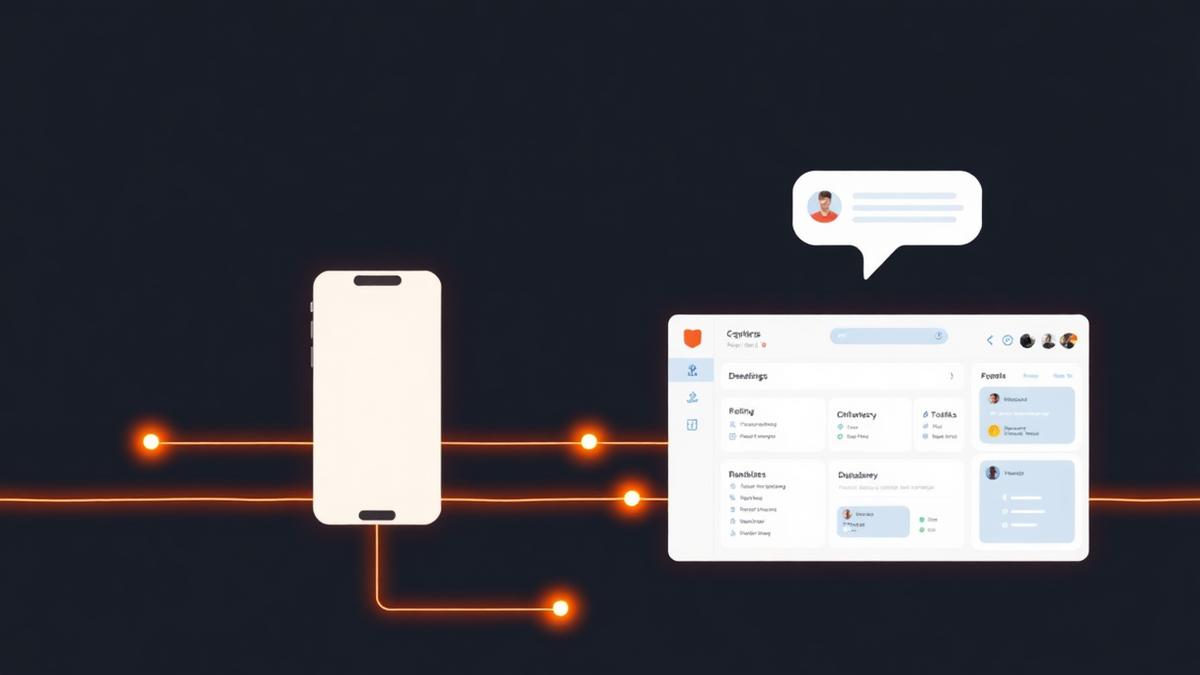
Determining the best AI for pest control in Louisiana comes down to choosing between fragmented point solutions and an end-to-end connected system managed by a committed implementation partner. Pest AI builds and configures custom operational layers tailored specifically to the realities of Louisiana operators. We integrate PestCRM, the AI Sales System, alongside intelligent voice and messaging channels to capture every lead across all parishes. Rather than relying on generic digital outreach, we coordinate communication with targeted physical mail campaigns using PestMail to re-engage past customers before May swarm season begins. Our team handles system architecture, prompt engineering, and route optimization configurations remotely, eliminating the burden of system setup for your team. This connected operational layer captures every high-intent phone call during severe weather disruptions, converts swarm-night inquiries into booked inspections, and streamlines WDIR documentation. By replacing disconnected tools with a single unified system, Louisiana pest control companies scale their revenue, optimize technician utilization, and protect their market share against aggressive competition year after year.
- Complete setup and ongoing system optimization managed by a dedicated implementation partner
- Seamless integration of PestCRM, the AI Sales System, with live voice and text channels
- Targeted direct mail integration via PestMail to drive seasonal recurring service renewals
- Centralized data architecture built to withstand severe weather and high seasonal volume spikes
Signals to check in your own Louisiana numbers
- Formosan termite inspection booking volume spikes during the May swarm window across I-10 parishes.
- Average intake response time under 30 seconds for WDIR requests tied to real estate closings.
- Ratio of booked appointments vs missed calls during post-hurricane call volume surges.
- Percentage of intake records with accurate structure type notes (slab vs pier-and-beam).
Where this leads
For most Louisiana operators this decision points at the AI Sales System. We are an implementation partner, not a DIY platform, we build the AI systems around how your state actually behaves, hand them over documented, and your team runs them. The national version of this question, without the state specifics, is covered in our AI guide.
Louisiana questions we get asked
More Louisiana guides
- Should you use AIShould I use AI in my Louisiana pest control business?
- Will customers talk to AIWill pest control customers in Louisiana talk to AI?
- Speed to leadHow can Louisiana pest control companies win with speed-to-lead?
- Best software stackWhat is the best pest control software for Louisiana operators?
- Local marketingHow should pest control companies in Louisiana market themselves locally?
- Reviews & reputationHow can Louisiana pest control companies get more reviews and protect their reputation?
- Seasonal playbookWhat is the seasonal pest control playbook for Louisiana?
- Commercial AIHow does AI help commercial pest control accounts in Louisiana?
- Hiring vs AIShould Louisiana pest control operators hire office staff or use AI?
Best AI for pest control city by city in Louisiana
Want a straight read on your own Louisiana numbers? A discovery call is a conversation, not a demo, and we will tell you if you are better off waiting.
Book a Discovery Call