
What is the best AI for pest control in Bangor?
Short answer
The best AI for pest control in Bangor is a fully managed, connected system engineered specifically for the operational realities of central Maine rather than a collection of unmanaged software plugins. Pest AI provides dedicated implementation engineers who build and maintain unified AI systems that handle intake, dispatch logic across rural Penobscot County, and rigorous compliance documentation for commercial anchors like regional medical facilities and universities.
The AI landscape in Bangor and Penobscot County
Operating a pest control company in Bangor requires managing a service territory that extends far beyond the city limits. A single technician's day often spans dense commercial routes near Northern Light Eastern Maine Medical Center, residential neighborhoods along Essex Street, and rural calls thirty minutes out in Hampden, Hermon, or Old Town. In a market where winter conditions lock in from November through April, answering every call immediately and scheduling efficiently is the difference between profitable route density and wasted fuel. Generic AI point solutions, such as standalone answering widgets or basic web chatbots, fail to account for these local realities. They take messages, but they lack the operational context to qualify leads, understand regional route limits, or handle complex winter rodent inquiries. Operators in Penobscot County need AI systems that integrate directly into operational workflows, capturing every incoming phone lead, routing techs effectively across long stretches of Highway 15 or Route 2, and maintaining consistent communication during peak freeze cycles. The ideal choice is not another self-service software platform, but a connected system managed by dedicated engineers who configure the technology to handle central Maine's distinct operational patterns.
The lattice problem in central Maine pest operations
Many pest control operators attempt to modernise by stitching together multiple software plugins: a third-party call answering service, a separate web form bot, an automated review requester, and a disconnected SMS marketing tool. In industry terms, this creates a lattice problem. Each plugin acts as an isolated node requiring separate subscriptions, distinct login portals, and individual API bridges. When an API update breaks the connection between your booking software and your web chat during a January mouse infestation surge, no single vendor takes responsibility. The web bot vendor blames the CRM, the CRM blames the integration bridge, and your front office staff ends up manually re-entering data while missed calls accumulate. For a Bangor operator driving forty minutes out to service a seasonal cabin along the Penobscot River, integration debt directly impacts the bottom line. Every failed synchronization means duplicate data entry, missed dispatch details, or delayed follow-ups on high-value commercial inquiries. Replacing a fragile lattice of disconnected tools with a single, connected AI architecture eliminates vendor runarounds. When dedicated implementation engineers build, monitor, and maintain the underlying data pipelines, your team spends zero hours troubleshooting software glitches and all their energy serving local accounts.
Evaluating AI against local geographic and seasonal demands
When evaluating AI systems for a Bangor pest control business, operators must demand deep geographic and seasonal intelligence built directly into the technology. First, the system must recognize the operational cost of rural windshield time. A route that misinterprets travel times between Orono, Brewer, and outer Penobscot County drains profitability through excessive mileage and labor overhead. The AI system must accurately filter leads based on real service boundaries, gather precise property details during the initial call, and queue jobs based on logical geographic clusters. Second, the system must adapt seamlessly to Maine's extreme seasonal shifts. From late autumn through early spring, call volume spikes with frantic homeowners reporting mice, rats, and squirrels invading attics and basements on Bangor's West Side. When spring thaw arrives, the intake focus abruptly shifts to carpenter ants and seasonal camp re-openings around push-water areas. An effective AI system handles these seasonal transitions automatically. It asks the right diagnostic questions based on the time of year, captures critical access details for unoccupied properties, and provides accurate expectations to property owners before a technician ever starts their truck.
- Geographic boundary intelligence to prevent unprofitable forty-minute drives
- Automated seasonal workflows for winter rodent surges and spring carpenter ant season
- Unoccupied property protocols for rural camps and Penobscot River seasonal cabins
Compliance and record-keeping for commercial anchor accounts
Commercial growth in Bangor depends heavily on securing and retaining large institutional accounts, including healthcare facilities like Northern Light Eastern Maine Medical Center and higher education institutions like the University of Maine in Orono. These accounts require a standard of documentation, audit readiness, and speed that standard residential intake processes cannot support. Health inspectors and facility managers expect detailed service histories, immediate logging of pest sightings, and verified treatment records. An unmanaged AI chatbot that merely logs a contact name and phone number is insufficient for commercial compliance. A robust AI system captures precise facility parameters, routes high-priority institutional alerts directly to senior account managers, and updates primary operating databases in real time. By structuring call intake and client communication around strict record-keeping standards, the AI system ensures that every interaction meets regulatory and client audit requirements. This capability allows local operators to compete confidently against national brands for lucrative commercial contracts across central Maine, knowing their backend intake and data pipelines are fully compliant and perpetually operational.
Connected system architecture vs SaaS plugin sprawl
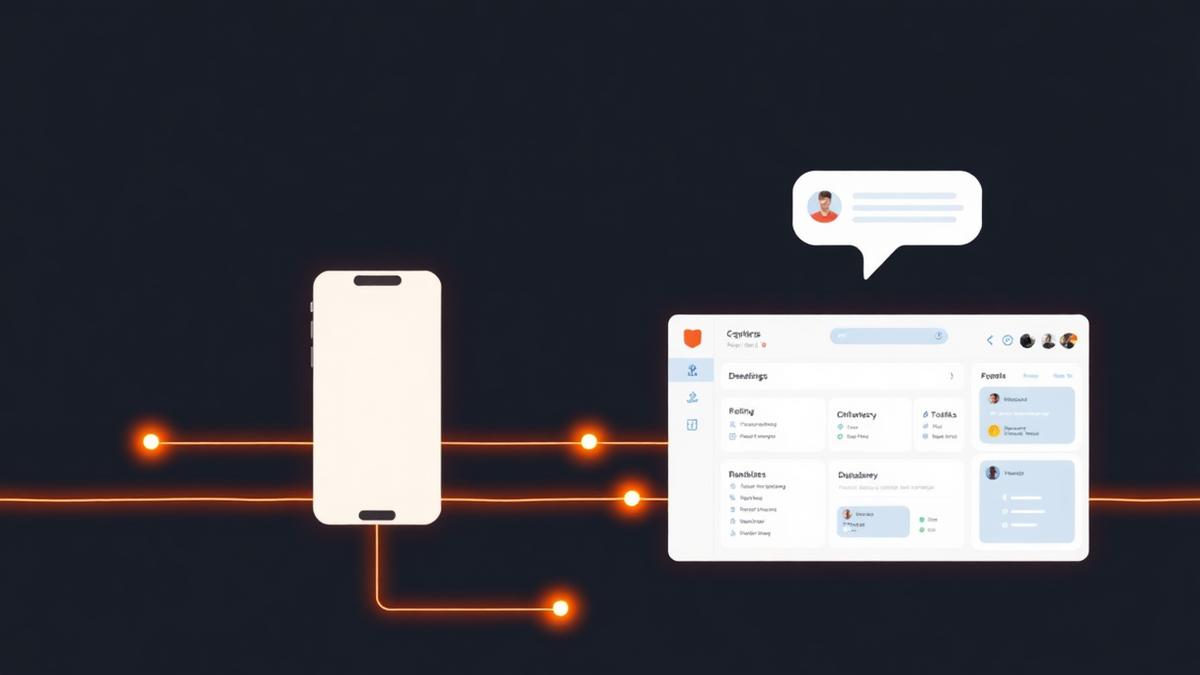
The true alternative to software plugin sprawl is a unified system architecture where every tool feeds into a central engine. In this model, incoming phone calls, web leads, and customer messaging flow directly into PestCRM, the AI Sales System. When an account requires physical follow-up or win-back campaigns, such as reaching seasonal camp owners before they return in May, the platform deploys PestMail for targeted DIRECT MAIL drops based on structured customer data. Rather than forcing office staff to export spreadsheets and upload lists into third-party printing portals, the system coordinates digital intake with physical outreach automatically. Crucially, Pest AI operates as an implementation partner, not a DIY SaaS vendor. This means professional engineers design, deploy, and maintain the entire technology stack specifically for your business. If a workflow needs adjustment to account for new service zones around Hermon or modified pricing for commercial accounts, the partner's engineering team executes the update. Operators never spend weekends configuring software triggers or reading technical documentation; they run their business while dedicated engineers ensure the AI systems perform flawlessly.
- PestCRM serves as the AI Sales System capturing all inbound channels
- PestMail executes automated DIRECT MAIL campaigns for seasonal property owners
- Implementation engineers handle setup, maintenance, and custom integrations
Selecting the right AI implementation partner in Penobscot County
Selecting the best AI approach in Bangor comes down to choosing between managing technology or growing a pest control business. Operators who purchase off-the-shelf software packages inevitably become default IT managers, spending valuable hours trying to make disparate software applications communicate. Operators who choose a managed implementation partner gain a customized operational engine built around their exact service radius, pricing structures, and target markets. When evaluating potential partners, ask who takes ownership when an integration breaks, how the system handles complex rural service boundaries, and whether the provider offers dedicated engineering support. A true partner builds systems that work continuously in the background, answering calls during midnight blizzard calls, qualifying commercial inquiries for institutional facilities, and keeping technicians moving efficiently across Penobscot County. By deploying unified AI systems backed by expert engineers, Bangor pest control operators eliminate technical debt, protect their margins against long drive times, and secure a lasting competitive advantage across central Maine.
Signals to check in your own Bangor numbers
- Ratio of billable service time versus windshield time on routes extending into Old Town and Hampden
- Inbound phone lead conversion rates during after-hours freezing events between November and April
- Audit compliance pass rates for institutional commercial accounts like Northern Light Health
- Seasonal camp customer retention and re-activation rates along the Penobscot River basin
Where this leads
For most Bangor operators this decision points at the AI Sales System. We are an implementation partner, not a DIY platform, we build the AI systems around how your market actually behaves, hand them over documented, and your team runs them. The national version of this question, without the local specifics, is covered in our AI guide.
Bangor questions we get asked
More Bangor guides
- Should you use AIShould I use AI in my Bangor pest control business?
- Will customers talk to AIWill pest control customers in Bangor talk to AI?
- Speed to leadHow can Bangor pest control companies win with speed-to-lead?
- Best software stackWhat is the best pest control software for Bangor operators?
- Local marketingHow should pest control companies in Bangor market themselves locally?
- Reviews & reputationHow can Bangor pest control companies get more reviews and protect their reputation?
- Seasonal playbookWhat is the seasonal pest control playbook for Bangor?
- Commercial AIHow does AI help commercial pest control accounts in Bangor?
- Hiring vs AIShould Bangor pest control operators hire office staff or use AI?
Related guides in your area
More reading for operators working Bangor, ME and the markets around it.
The same question in nearby markets
Want a straight read on your own Bangor numbers? A discovery call is a conversation, not a demo, and we will tell you if you are better off waiting.
Book a Discovery Call