
Browntail moth creates a public health rush
Browntail moth hairs cause rashes and respiratory reactions across coastal and central Maine, and the treatment window is narrow, so those calls arrive in a concentrated wave from anxious homeowners.
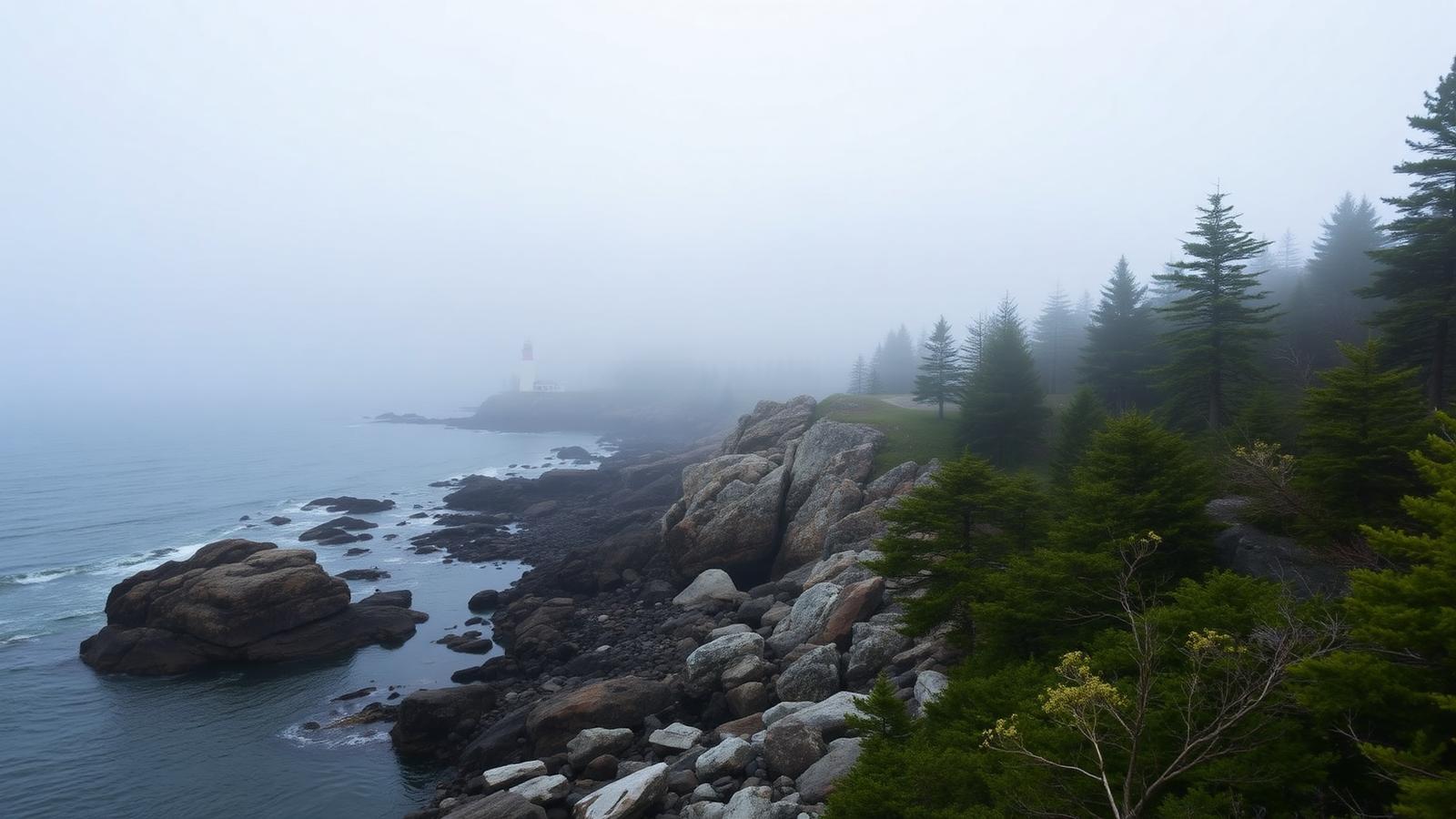
A summer economy that arrives all at once, seasonal properties owners rarely visit, and a state most companies cannot cross in a day. We build the intake layer that keeps Maine crews booked.
Typical Maine implementation goes live in about 30-90 days.
Maine pest control demand concentrates in the south and along the coast. Portland and its ring: South Portland, Westbrook, Scarborough, Falmouth, and Biddeford, carry the largest share of residential and commercial work, with older housing, dense rental stock, and a strong restaurant and hospitality base. Lewiston and Auburn add older urban housing, Augusta serves the capital region, and Bangor anchors the center and north. The midcoast through Brunswick, Bath, Camden, and Rockland and Mount Desert Island around Bar Harbor run on second homes, summer rentals, and tourism. Aroostook County and the western mountains sit at distances that make territory days mandatory. Browntail moth, ticks, and coastal seasonality change the job, so we configure intake and territory rules market by market.
Maine gives operators a short season, an enormous service area, and a customer base that doubles in summer. Capturing demand while it exists is the whole business.
Browntail moth hairs cause rashes and respiratory reactions across coastal and central Maine, and the treatment window is narrow, so those calls arrive in a concentrated wave from anxious homeowners.
Seasonal residents, rentals, and tourism load residential, hospitality, and restaurant demand into a few months, which means the office has to scale its answering capacity, not just its field crews.
Midcoast and island second homes are frequently unoccupied and far from the office, so access codes, remote approval, and written confirmation prevent wasted trips that cost most of a day.
Deer tick pressure across southern and coastal Maine sells full-season yard programs, and those customers decide in a narrow spring window before the first warm weekend.
Granite and rubble foundations, attached ells and barns, and centuries of additions give rodents endless entries, so exclusion has to be sold on inspection rather than a bait placement.
Serving Bangor, the midcoast, the western mountains, and Aroostook from a southern office means territory days are mandatory or one booking will consume an entire crew day.
We are an implementation partner, not another dashboard for your CSRs to learn. Here is what gets built, and why each piece pays here.
Voice AI answers unlimited simultaneous calls at any hour, qualifies property type and territory zone, quotes from your price book, and books the visit, so a July wave does not turn into a voicemail queue.
See Voice AIMessaging AI runs SMS, email, webchat, and social in one thread, so a Camden or Bar Harbor owner who is out of state can share a lockbox code, approve work, and confirm a changeover window without a call.
See Messaging AIThe AI Sales System keeps every exclusion bid, hospitality contract, tick subscriber, and lapsed account in one pipeline with automated follow-up, so the off-season books work for spring instead of going quiet.
See the AI Sales SystemPestMail reads your route data and mails the households around every stop, which across Scarborough, Westbrook, and Brunswick means adding customers on streets your trucks already serve rather than adding miles.
See PestMailThese are the species and situations driving Maine phone volume, and how intake, routing, and follow-up should be configured for each.
Browntail moth calls in Maine should be triaged for reported rash or respiratory symptoms and booked inside the narrow treatment window rather than queued as routine work, because the hairs are a genuine health issue and the effective window is short. Intake should capture tree species, nest visibility, property size, and whether anyone has reacted.
Tick control in Maine should be sold as a full-season recurring yard program with automated spring reactivation, because Lyme risk across southern and coastal Maine makes it a health decision customers commit to early and renew annually. Intake should capture lot size, wooded and stone wall edges, and whether children or pets use the yard.
Midcoast and island rental turnover should be scheduled against the hard guest changeover date rather than first-available, because a missed window between bookings cannot be recovered and the owner is usually out of state. Access codes and approval should live on the property record so a long drive is never wasted on a locked door.
Maine mouse calls should be sold as inspection and exclusion with scheduled follow-up rather than a bait-only visit, because granite and rubble foundations, attached ells, and old sills give mice dozens of entries that baiting never closes. Intake should capture home age, foundation type, attached structures, and where activity has been heard.
Maine carpenter ant calls should be booked as inspections rather than quoted as a spray, because coastal damp, shaded wooded lots, and old wooden sills mean activity almost always traces to a moisture source that has to be located first. Intake should capture sighting location, frass, wall noise, and whether the property is shaded or near water.
Portland and coastal hospitality accounts should run with documented service history and an agreed after-hours escalation path before the summer season, because a single pest report during peak weeks becomes a public review within hours and inspections judge the program on paperwork. Priority response should be contracted, not improvised.
Maine companies covering more than one region should assign each market a fixed day-of-week service block and offer callers only that window, because the distance from Portland to Bangor, the midcoast, or Aroostook makes a single misplaced booking a lost day. Island stops should be batched around ferry timing.
Every one of these is a configuration decision, not a feature you have to build. We set the intake, routing, and follow-up up for your Maine branches.
Book a Discovery CallDeeper write-ups for individual Maine markets, local pest pressure, the towns that drive volume, and the systems we build around them.
Lake-area seasonal pest pressure, rural rodent demand, and harsh-winter overwintering surges.
Read the Auburn guideRural Penobscot County route density, Northern Light Health and UMaine-area commercial accounts, and long-winter rodent pressure.
Read the Bangor guideCoastal humidity pests, converted mill-housing demand, and summer tourism-driven volume.
Read the Biddeford guideRiver-driven moisture pests, mill-town multifamily rodent pressure, and harsh-winter overwintering demand.
Read the Lewiston guidePeninsula rowhouse carpenter ant pressure, Old Port summer tourism spikes, and a housing stock built for a different climate.
Read the Portland guideWaterfront industrial demand, coastal humidity pests, and harsh-winter rodent pressure.
Read the South Portland guideCold-climate rodent pressure, carpenter ants, and historic mill-building pest work.
Read the Westbrook guideNot in one of those markets? We build for Maine operators statewide, the city guides are just where we have written things down so far.
Book a Discovery CallThe full Maine playbook in one printable PDF, seasonality, intake, routing, and the systems we build for operators here. Share it with your office team.
State-level guides written for the climate, pest pressure, and business patterns across Maine.
We work with companies across southern Maine, the midcoast, the Bangor region, and the north.
We have a deep, purpose-built FieldRoutes integration, and over 1,000 API connections available for everything else, so your Maine operation keeps one source of truth instead of four.
All third-party product names, logos, and brands are property of their respective owners. Use of these names does not imply endorsement or affiliation.
Written and reviewed by the Pest AI team · Last reviewed
Bring your call volume, your summer booking rate, and how many calls you missed during browntail season. We will show you where the leaks are and what we would build first.
Book a Discovery Call