
The exterior season closes early and hard
Realistic exterior work runs from late spring into October. A week of unanswered calls in July is a far larger share of annual revenue here than the same week would be in a year-round southern market.
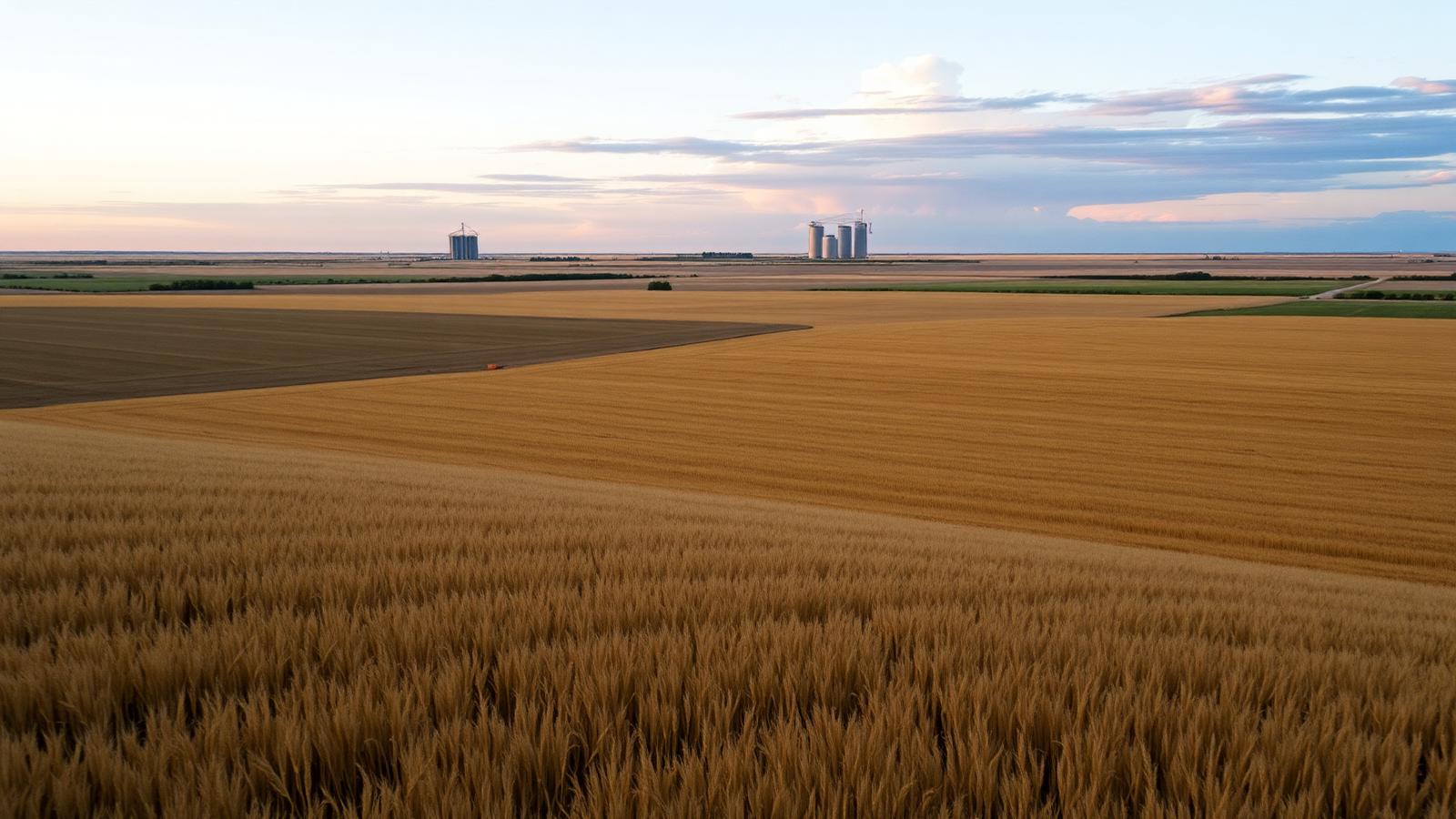
A season that closes in October, rodent pressure that arrives with the combines, and service areas measured in counties. We build the intake and follow-up layer that makes every North Dakota call count.
Typical North Dakota implementation goes live in about 30-90 days.
North Dakota pest control demand concentrates in a handful of separated cities. Fargo and West Fargo, together with Moorhead across the river, form the largest market, with a university base, dense older housing, and steady new construction on the south and west edges. Bismarck and Mandan anchor the center with state government and regional healthcare, Grand Forks adds another university and Air Force base population, and Minot serves the north alongside its own base. Williston, Dickinson, and the Bakken counties move with energy activity and carry man-camp, office, and facility work on their own timeline. Beyond those, Jamestown, Devils Lake, and Wahpeton sit on routes where drive time is the dominant cost, so we configure intake and territory rules market by market.
North Dakota gives operators one of the shortest working seasons in the country and enormous distances between customers. Everything depends on capturing the calls that arrive while work is possible.
Realistic exterior work runs from late spring into October. A week of unanswered calls in July is a far larger share of annual revenue here than the same week would be in a year-round southern market.
When the small grains and row crops come down, mice lose cover everywhere at once and move into houses, garages, shops, and grain storage within days. The spike follows the combines, not the calendar.
Deep cold shuts down most exterior work for months, so profitability depends on whether the summer quote backlog and commercial renewals are being worked systematically or left to go cold.
Man camps, field offices, and facilities across Williams, McKenzie, and Stark counties expect fast response and documented service history, and their volume moves with drilling activity rather than the residential season.
Serving Jamestown, Devils Lake, Minot, and Williston from a central office means highway miles usually cost more than the treatment, so bookings have to be batched by town and service day.
Cluster flies, boxelder bugs, and Asian lady beetles blanket sunny walls across the Red River Valley in the first cold snap, producing a few days of intense call volume that goes to whoever answers first.
We are an implementation partner, not another dashboard for your CSRs to learn. Here is what gets built, and why each piece pays here.
Voice AI answers unlimited simultaneous calls at any hour, captures whether the property has outbuildings or grain storage, quotes from your price book, and books the visit, because a missed August call here does not come back.
See Voice AIMessaging AI runs SMS, email, webchat, and social in one thread, so a Bakken site contact or a Fargo property manager can approve work, share access requirements, and confirm a window without phone tag.
See Messaging AIThe AI Sales System keeps every exclusion bid, commercial proposal, acreage quote, and lapsed account in one pipeline with automated follow-up, so the frozen months still produce signed work for spring.
See the AI Sales SystemPestMail reads your route data and mails the households around every stop, which in Fargo, West Fargo, and Bismarck means adding customers where the truck already goes rather than adding another hour of highway.
See PestMailThese are the species and situations driving North Dakota phone volume, and how intake, routing, and follow-up should be configured for each.
North Dakota mouse calls are best sold as inspection and exclusion with scheduled follow-up rather than a bait-only visit, because mice displaced at harvest reuse the same entry points every autumn and baiting alone leaves the structure open for next year. Intake should capture whether the property is in town, on acreage, or near grain storage so the job is scoped and priced before dispatch.
Cluster fly, boxelder bug, and lady beetle calls in North Dakota should be booked same-week during the clustering window and converted into a preventive exterior treatment for the following year, because the insects mass on sunny walls for only a few days and the customer books with whoever picks up first. Intake should note wall exposure and nearby host trees.
Man camps, field offices, and facilities across the Bakken need documented service history, site-level records, and immediate escalation of findings, because contract renewals and corporate reviews judge the program on documentation as much as on results. Site access requirements and safety orientation notes should live on the account record so no trip is wasted.
Acreage and farmstead properties should be qualified at intake for structure count, outbuildings, and lot size before any price is quoted, because a shop, barn, and grain bin turn a short in-town stop into a multi-hour job. Capturing that up front protects the technician’s day and the margin on the account, and it lets the office quote an honest window.
North Dakota wasp and hornet calls should be triaged for sting risk and booked as urgent same-day or next-day work through late summer, because nests around eaves, decks, and outbuildings peak in a short window and callers with children or allergies will not wait for a callback. Same-town calls should be batched onto one trip to protect the route.
North Dakota operators should treat winter as a structured selling season for the summer backlog rather than a slow period to survive, because every unclosed exclusion bid, commercial proposal, and lapsed account is still reachable by automated follow-up. Pre-booking spring service also lets the season open at full capacity on the first workable day.
North Dakota companies covering multiple cities should assign each market a fixed day-of-week service block and offer callers only that window, because the distance between Fargo, Bismarck, Minot, and Williston makes a single out-of-area booking a lost day. Batching stops per town is the difference between a profitable route and a break-even one.
Every one of these is a configuration decision, not a feature you have to build. We set the intake, routing, and follow-up up for your North Dakota branches.
Book a Discovery CallDeeper write-ups for individual North Dakota markets, local pest pressure, the neighborhoods that drive volume, and the systems we build around them.
Missouri River basement moisture, biennial legislative-session commercial demand, and rapid north-end subdivision growth.
Read the Bismarck guideRed River spring flood cleanup, fall cluster fly invasions, and NDSU student rental turnover.
Read the Fargo guideFlood-driven rodent surges, prairie winter pest pressure, and base-adjacent commercial demand.
Read the Grand Forks guideFlood-legacy rodent pressure, oil-patch housing turnover, and base-driven commercial demand.
Read the Minot guideNew-construction pest gaps, prairie rodent pressure, and shared Red River Valley flood exposure.
Read the West Fargo guideOil-patch housing turnover, prairie rodent pressure, and around-the-clock industrial demand.
Read the Williston guideNot in one of those markets? We build for North Dakota operators statewide, the city guides are just where we have written things down so far.
Book a Discovery CallThe full North Dakota playbook in one printable PDF, seasonality, intake, routing, and the systems we build for operators here. Share it with your office team.
State-level guides written for the climate, pest pressure, and business patterns across North Dakota.
We work with companies across the Red River Valley, the central corridor, and the Bakken.
We have a deep, purpose-built FieldRoutes integration, and over 1,000 API connections available for everything else, so your North Dakota operation keeps one source of truth instead of four.
All third-party product names, logos, and brands are property of their respective owners. Use of these names does not imply endorsement or affiliation.
Written and reviewed by the Pest AI team · Last reviewed
Bring your call volume, your booking rate, and how much of your short season is lost to voicemail and drive time. We will show you where the leaks are and what we would build first.
Book a Discovery Call