
Red River flooding pushes rodents into basements
Neighborhoods near the river and the Greenway see recurring mouse and rat pressure whenever spring runoff pushes water levels up.
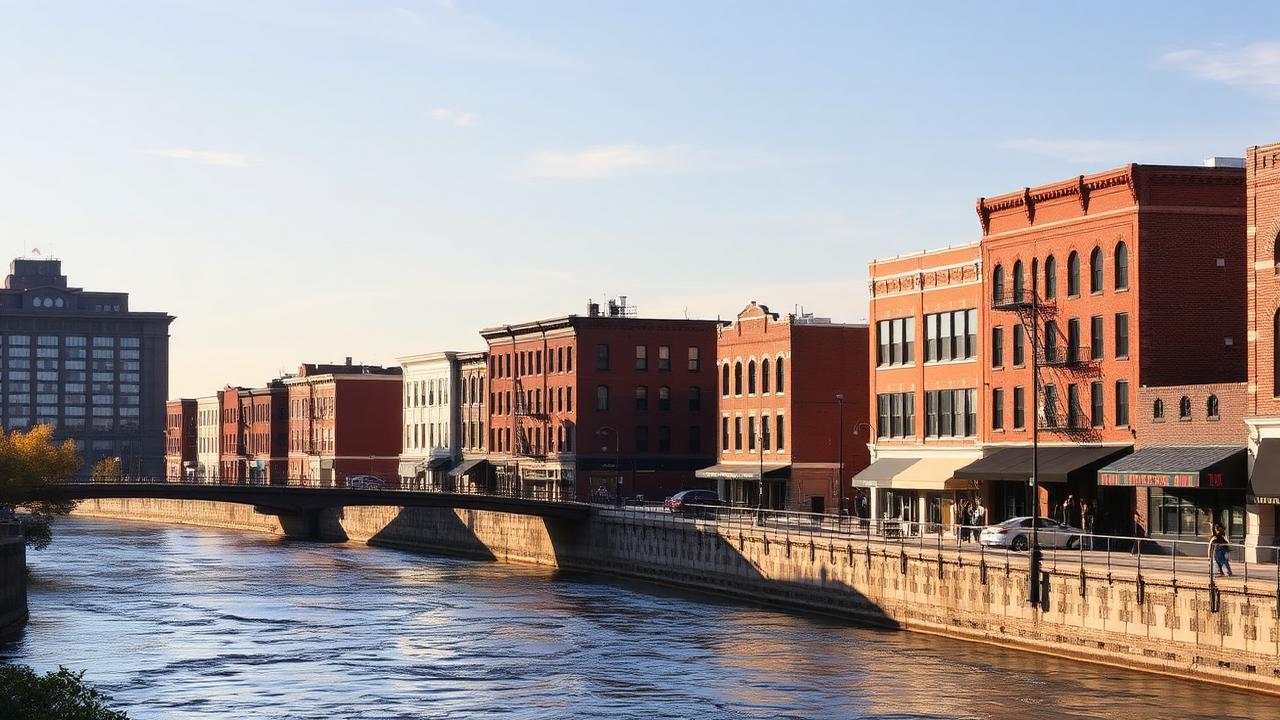
Red River flooding that can turn basements into rodent highways, prairie winters that push field mice indoors early, and Grand Forks Air Force Base accounts that need fast, reliable response. Our AI systems keep every call captured while your crews work the Red River Valley.
Typical Grand Forks implementation goes live in about 30-90 days.
The Red River Valley's flat terrain means periodic Red River flooding, and combined with a harsh prairie winter, pest pressure here runs on two distinct triggers.
Neighborhoods near the river and the Greenway see recurring mouse and rat pressure whenever spring runoff pushes water levels up.
As farmland surrounding Grand Forks freezes, field mice move into homes and outbuildings weeks before the first snow.
Established neighborhoods near downtown and the University of North Dakota see steady overwintering-insect exclusion requests.
Base housing and contractor facilities need pest control providers who can respond quickly and document service reliably.
Off-campus rental blocks near UND cycle tenants every August and May, and management companies need pest service scheduled around move-in and move-out inspections rather than a fixed calendar.
With little tree cover to break the wind across the Red River Valley, spiders and overwintering insects seek shelter aggressively along foundations and window frames each fall.
We configure around flood-season rodent spikes and base-related commercial reliability.
Voice AI answers around the clock during spring runoff so basement and crawl space rodent calls don't go to voicemail, even when call volume spikes well beyond a normal week.
See Voice AIMessaging AI confirms scheduling windows so cluster fly and rodent exclusion work gets done before winter sets in, rather than getting pushed past the first freeze.
See Messaging AIThe AI Sales System keeps documentation and response times consistent for accounts tied to Grand Forks Air Force Base, where reliability and paperwork matter as much as the treatment itself.
See the AI Sales SystemMessaging AI can align inspection and treatment scheduling with UND-area lease dates, so off-campus rental accounts don't fall through the cracks during the two annual turnover windows.
See Messaging AIWant to see what this looks like against your own Grand Forks call volume? We will walk through it on a 30-minute call.
Book a Discovery CallService areas from Grand Forks out through East Grand Forks, Thompson and Larimore are configured during onboarding, including accounts that cross the Minnesota state line along the Red River.
We have a deep, purpose-built FieldRoutes integration, and over 1,000 API connections available for everything else, so your Grand Forks operation keeps one source of truth instead of four.
All third-party product names, logos, and brands are property of their respective owners. Use of these names does not imply endorsement or affiliation.
Grand Forks operators work a Red River Valley market where spring flooding and early prairie winters both drive rodent pressure, a nearby Air Force base adds steady commercial demand, and a university calendar adds two predictable turnover spikes each year. AI intake keeps every call, deadline, and lease date accounted for without adding office staff during the busiest stretches of the year.
Deciding whether AI is right for your business at all is a separate question from which market you are in. We answer it honestly, including when the answer is not yet, in our AI decision guides, starting with should I use AI in my pest control business.
The Red River Valley's flat terrain, a harsh prairie winter, and a university calendar each drive a distinct stretch of the year for Grand Forks pest work.
Spring snowmelt raises the Red River and its tributaries, and neighborhoods near the Greenway and low-lying stretches of South Grand Forks start reporting mice and occasional rats pushed into basements ahead of rising water.
As UND wraps its spring semester, off-campus rental turnover creates a wave of move-out inspections, and warming soil brings the first ant activity of the year to lawns across South Grand Forks and East Grand Forks.
Mosquitoes off the Red River and area sloughs peak through midsummer, and outdoor gatherings tied to the region's short warm season keep perimeter treatment requests steady.
UND's fall semester brings a second wave of off-campus rental turnover, and cooling nights start pushing field mice out of surrounding farmland toward town.
Cluster flies and box elder bugs swarm south-facing walls of older homes near downtown and the University area, and fall rodent exclusion calls climb as the ground begins to freeze.
Deep prairie cold drives rodents solidly indoors across every neighborhood, and Grand Forks Air Force Base housing and contractor accounts keep steady service demand through the coldest stretch of the year.
Grand Forks' flat, open terrain makes for straightforward routing most of the year, but flood season, prairie winters, and a state-line service area each add their own wrinkles.
Crews covering both sides of the river cross the Sorlie Bridge or Kennedy Bridge regularly, and those accounts need to be tracked across a state line even though the drive is only a few minutes.
During high-water years, roads near the Greenway and low-lying stretches of South Grand Forks can close for public safety, so routing needs a fallback plan for reaching basement-rodent calls in those neighborhoods.
Technicians servicing base housing or contractor facilities need visitor authorization arranged in advance, so same-day base calls require extra scheduling lead time compared with standard residential stops.
Off-campus rental blocks near the university see concentrated move-in and move-out activity each August and May, and property managers expect inspection scheduling that lines up with lease dates rather than a fixed route.
Exposed, treeless terrain across the valley means wind chill during winter service calls often runs well below the air temperature, so exterior rodent-exclusion work gets scheduled for the warmer part of the day when possible.
Properties just outside city limits toward Thompson or Larimore back directly onto farmland, so those stops carry a different pest profile than in-town addresses only a few miles away.
Most Grand Forks routes run along Highway 2 east-west or I-29 north-south, and stacking appointments along one corridor before crossing to the other keeps midday drive time down.
City plowing after a fresh snowfall typically clears main corridors before neighborhood streets, so early-morning appointments in outlying subdivisions sometimes shift later until side streets are passable.
More reading for operators working Grand Forks, ND and the markets around it.
Location-specific guides written for the pest pressure, routes, and customer behavior of this market.
A short one-pager on the Grand Forks market, the systems we build for operators here, and how implementation runs, written to be printed and passed around.
Last updated 2026-09-17
Try the messaging AI that answers texts, webchat, and social for pest control teams.
Start a ChatUse our free pest control AI assistant today, no contract, no setup call.
Try PestGPT FreePull last April and May. We'll show you how many basement rodent calls came in after hours and never got a callback, along with how many UND-area rental accounts got missed during the spring turnover crunch.
The North Dakota guide covers statewide pest pressure, licensing and call patterns, and links every North Dakota city guide we publish, including this one.