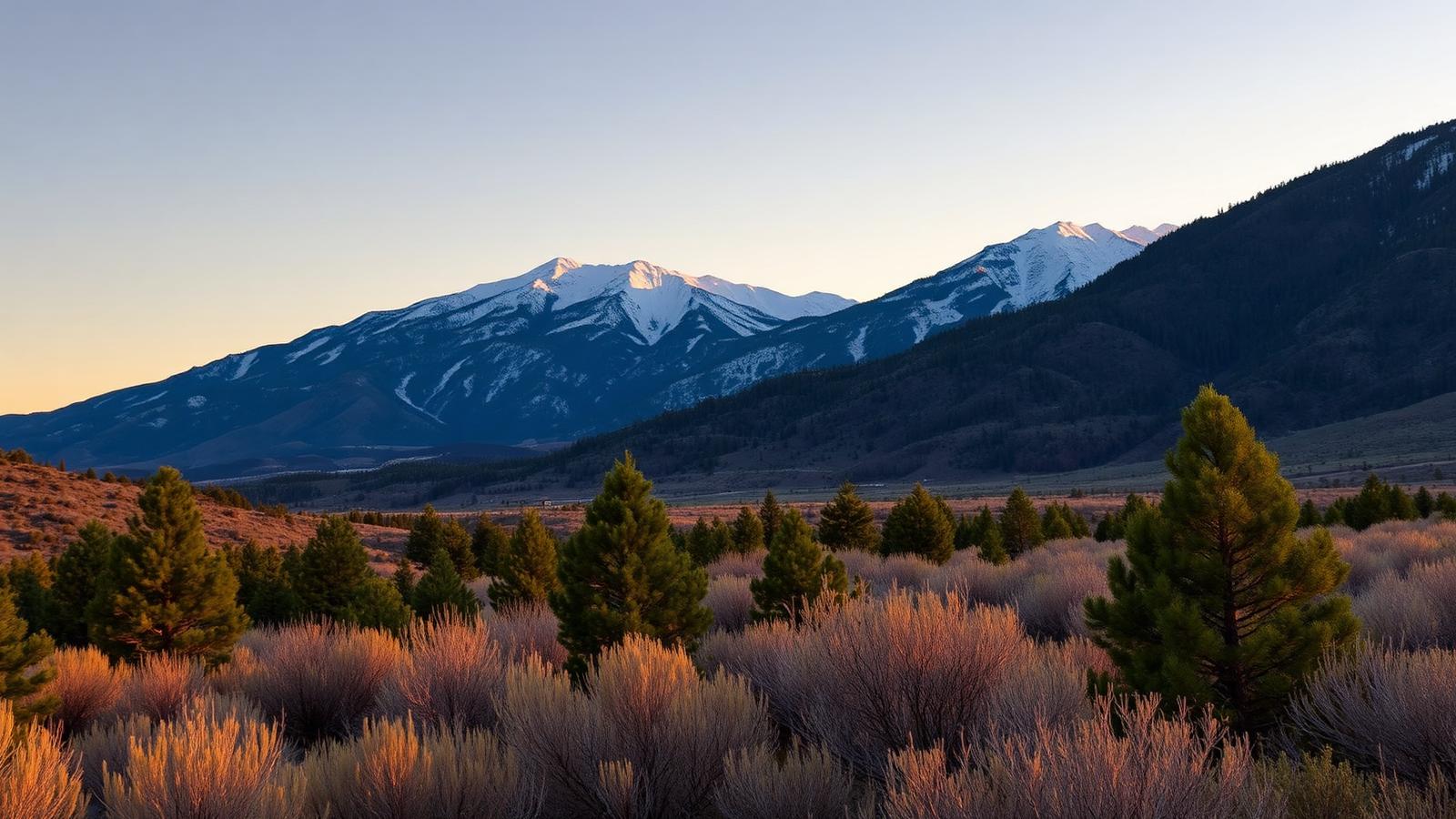
Pest Control Software Built for Colorado Operators
A dense Front Range corridor, mountain properties that take an hour to reach, and a season the altitude decides. We build the intake and follow-up layer that keeps Colorado crews booked.
Typical Colorado implementation goes live in about 30-90 days.
Calls answered and booked
24/7Calls answered and booked
Software integrations available
1,000+Software integrations available
Bilingual intake by default
EN + ESBilingual intake by default
Typical time to live
30-90 daysTypical time to live
Colorado pest control demand runs along the Front Range. Denver and its ring: Aurora, Lakewood, Arvada, Westminster, Thornton, Centennial, Littleton, Highlands Ranch, and Parker, form the largest concentration of work in the state, with dense urban rodent pressure in the older core and constant new construction on the outer edge. Colorado Springs and Fountain add a large military and residential base, Boulder and Longmont bring university housing and strict environmental expectations, and Fort Collins, Loveland, and Greeley anchor the northern corridor. West of the divide, Grand Junction, Durango, Steamboat Springs, and the resort valleys operate on different seasons and second-home ownership entirely. Elevation and drive time change the job, so we configure intake and territory rules market by market.
What makes a Colorado operation different
Colorado stacks a fast-growing metro corridor against mountain territory where a single stop can cost half a day. The operators who scale here answer every call and defend their route geography.
Mountain properties are a routing problem first
A service call in Evergreen, Conifer, Nederland, or up a canyon road can consume two hours of driving before any work happens. Those addresses have to be batched onto dedicated days or they quietly destroy the margin on the whole route.
Second homes are empty when the technician arrives
Resort valleys and mountain towns carry a large share of part-time ownership, so scheduling, access instructions, gate codes, and remote authorization matter more than they do on a Denver subdivision street.
Voles, mice, and packrats replace the termite calendar
Colorado has comparatively low termite pressure, so recurring revenue comes from rodent exclusion, voles chewing through landscaping, and packrats in outbuildings and vehicles, jobs sold on inspection, not on a spray schedule.
Front Range growth outruns the phone room
Continuous housing growth across Parker, Erie, Castle Rock, Windsor, and the Springs produces a steady stream of new-homeowner calls, and the operators capturing them are the ones answering during the workday rush and after hours.
Boulder-area customers ask harder questions
Environmentally driven customers along the northern Front Range want to know product choice, pollinator impact, and least-toxic options before they book, which means intake has to answer substantively or lose the call.
Snow rewrites the schedule without warning
A spring storm can erase a day of exterior work across the corridor and every canyon route at once, so the rescheduling flow has to move dozens of appointments and notify customers without the office making a hundred calls.
The systems we build around a Colorado operation
We are an implementation partner, not another dashboard for your CSRs to learn. Here is what gets built, and why each piece pays here.
Every Front Range call answered, day or night
Voice AI answers unlimited simultaneous calls at any hour, qualifies whether the property is in-corridor or up the canyon, quotes from your price book, and books the visit instead of sending a new Parker homeowner to the next company on the list.
Messaging AI runs SMS, email, webchat, and social in one thread, so an absentee owner in a resort valley can approve work, share a gate code, and confirm a window without a phone call or a missed appointment.
The AI Sales System keeps every exclusion quote, mountain property, commercial account, and lapsed customer in one pipeline with automated follow-up, so a spring snow day does not turn into a month of cold quotes.
Mail that tightens the route instead of stretching it
PestMail reads your route data and mails the households around every stop, which across Highlands Ranch, Arvada, and north Colorado Springs means adding customers on streets your trucks already serve rather than adding miles.
What is the best pest control setup for rodent calls in Colorado?
Colorado rodent calls should be sold as inspection and exclusion with scheduled follow-up rather than a bait-only visit, because deer mice, house mice, and packrats exploit foundation gaps, crawlspaces, and outbuildings that will readmit them every fall unless they are sealed. Intake should capture elevation, whether there are outbuildings or stored vehicles, and any droppings location so the job is scoped before dispatch.
Ask about crawlspaces, sheds, garages, and stored vehicles.
Quote sealing and monitoring rather than repeat bait visits.
Escalate droppings-in-living-space reports for prompt scheduling.
Voles in landscaping
What is the best pest control setup for vole calls in Colorado?
Vole damage calls along the Front Range should be booked as a property inspection with a season-long monitoring plan rather than a single treatment, because voles run surface tunnels under snow cover and the damage to turf, ornamentals, and irrigation lines only becomes visible at melt-off. Intake should capture whether the property borders open space, a greenbelt, or a golf course.
Note adjacency to open space, greenbelts, and irrigation.
Book the follow-up inspection at snowmelt when damage shows.
Sell a monitoring program, not a one-time knockdown.
Mountain properties
How should Colorado pest control companies schedule mountain service calls?
Mountain and canyon addresses should be batched onto dedicated territory days rather than booked into the next open slot, because a single Evergreen or Nederland stop can absorb two hours of driving and break a full Front Range route. Intake should identify the address zone immediately and offer only that area’s service day, with weather-triggered rescheduling built in.
Identify canyon and mountain zones at the moment of intake.
Offer only that zone’s service day, never first-available.
Batch access codes and absentee-owner instructions with the stop.
Wasps and yellowjackets
What is the best pest control setup for wasp calls in Colorado?
Colorado wasp and yellowjacket calls should be triaged for sting risk and booked as urgent same-day or next-day work from midsummer through the first hard freeze, because ground nests and eave nests peak late in a short season and callers with children or allergies will not wait. Intake should record nest location, height, and whether it is in the ground or a structure.
Escalate allergy or sting reports to priority scheduling.
Capture nest height and ground-versus-structure at intake.
Offer a preventive exterior program at the close of the call.
Bed bugs
What is the best pest control setup for bed bug calls in Colorado?
Bed bug calls in Denver, Boulder, and Colorado Springs should be qualified at intake for unit count, building type, and whether the property is a rental, because a single-unit condo and a multifamily building need entirely different scope, prep instructions, and pricing. Prep instructions should be sent by text on the call, since failed prep is the most common cause of a repeat visit.
Qualify single-family, condo, or multifamily before quoting.
Text prep instructions immediately after booking.
Book the verification visit alongside the first treatment.
Eco-conscious customers
How should Colorado companies handle customers asking for least-toxic treatment?
Boulder-area and northern Front Range callers frequently ask about product choice, pollinator impact, and pet safety before they will book, so intake needs to answer those questions substantively and route the call to a program option that actually exists in your price book. A vague answer at intake loses the booking to a competitor who was ready with specifics.
Build a genuine least-toxic program option into the price book.
Script honest answers on product choice and pet safety.
Flag these leads so the technician arrives prepared for the conversation.
Weather rescheduling
How should a Colorado company reschedule after a spring snowstorm?
Colorado operators should run storm rescheduling as an automated messaging flow rather than a morning of office phone calls, because a single Front Range storm can cancel an entire day of exterior work across every route at once. Customers get notified and re-slotted in bulk, and technicians get a rebuilt day instead of an empty one.
Notify affected customers in bulk the moment the day is called.
Offer re-slot options automatically inside the same thread.
Backfill the day with indoor and commercial work already in the pipeline.
Every one of these is a configuration decision, not a feature you have to build. We set the intake, routing, and follow-up up for your Colorado branches.
The full Colorado playbook in one printable PDF, seasonality, intake, routing, and the systems we build for operators here. Share it with your office team.
What makes running a Colorado pest control operation different
Intake and routing setups for the calls that actually pay
Answers to the questions operators ask before they automate
Links to every Colorado city guide we publish
Loading the Colorado guide form
Colorado AI guides
State-level guides written for the climate, pest pressure, and business patterns across Colorado.
We work with companies across the Denver metro, the northern and southern Front Range, and the Western Slope.
Denver & Adams County
Aurora & Centennial
Lakewood, Arvada & Westminster
Highlands Ranch, Littleton & Parker
Boulder & Longmont
Fort Collins, Loveland & Greeley
Colorado Springs & Fountain
Castle Rock & Douglas County
Evergreen, Conifer & the Foothills
Grand Junction & the Western Slope
Durango & the Southwest
Connected to the software you already run
We have a deep, purpose-built FieldRoutes integration, and over 1,000 API connections available for everything else, so your Colorado operation keeps one source of truth instead of four.
All third-party product names, logos, and brands are property of their respective owners. Use of these names does not imply endorsement or affiliation.
Colorado pest control software questions
Written and reviewed by the Pest AI team · Last reviewed
Bring your call volume, your booking rate, and how much drive time your mountain stops are costing you. We will show you where the leaks are and what we would build first.