
Every missed call costs more
With a small total addressable market, a handful of missed calls in a week is a meaningful share of the month. There is no volume cushion to absorb voicemail the way there is in a metro operation.
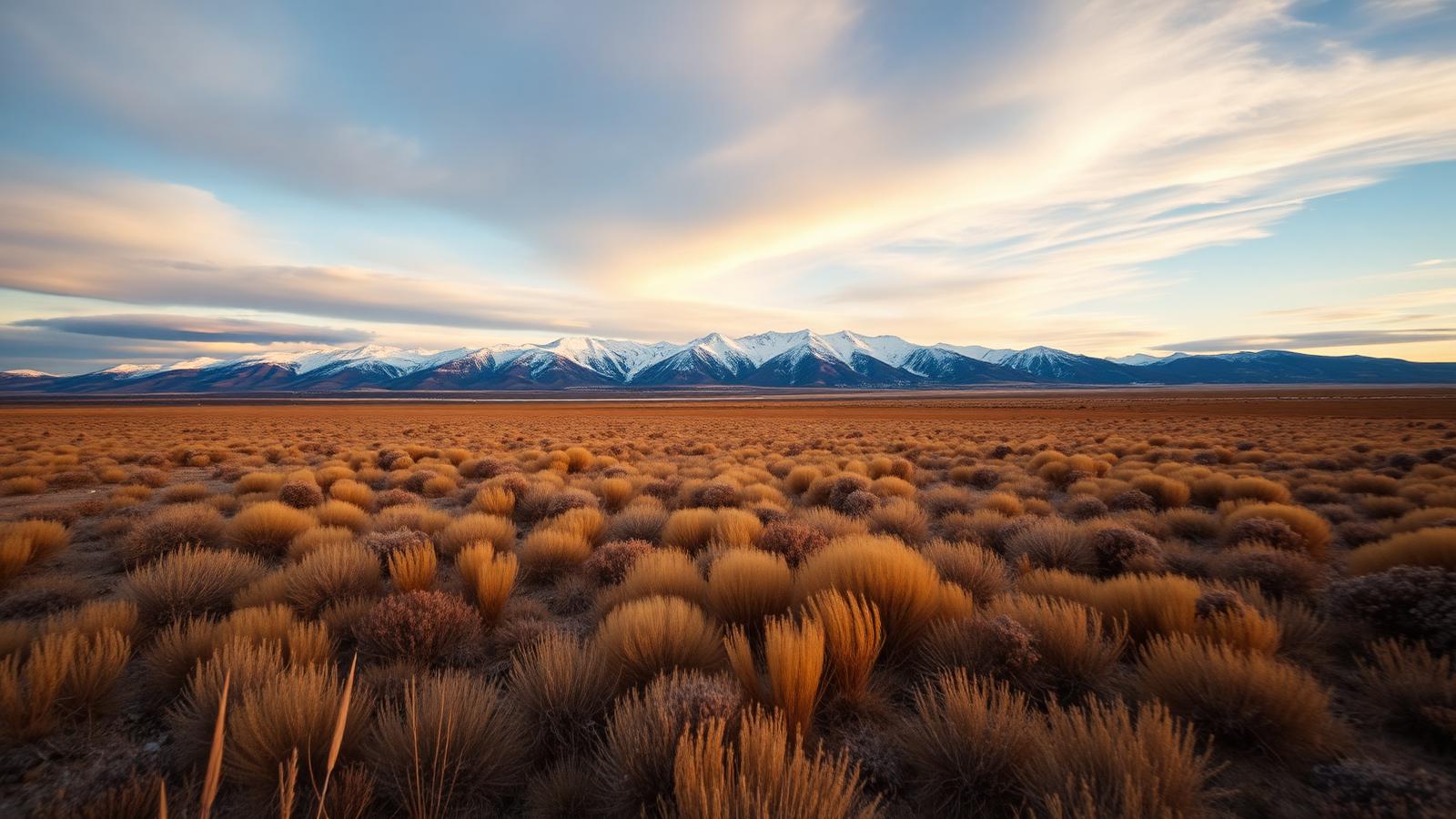
The least populated state in the country, markets separated by hours of highway, and a season that closes early. We build the intake and follow-up layer that makes every Wyoming call count.
Typical Wyoming implementation goes live in about 30-90 days.
Wyoming pest control demand is spread thin across a handful of towns. Cheyenne is the largest market, serving the southeast corner along with Laramie and its university base and drawing spillover from the northern Colorado Front Range. Casper anchors central Wyoming and its energy economy, while Gillette and the Powder River Basin move with coal and oil activity. Sheridan, Cody, and Riverton serve the north and Bighorn Basin, Rock Springs and Green River carry the southwest, and Jackson operates in a category of its own with resort properties, second homes, and wildlife pressure. With so few dense neighborhoods, every booking has to earn its drive time, so we configure intake, routing, and territory rules market by market.
Wyoming gives operators the thinnest population density in the country and a short window to work in. Every missed call is a larger share of the year here than almost anywhere else.
With a small total addressable market, a handful of missed calls in a week is a meaningful share of the month. There is no volume cushion to absorb voicemail the way there is in a metro operation.
Serving Cheyenne, Casper, Gillette, and Rock Springs from one operation means highway miles usually cost more than the treatment. Bookings have to be batched by town and day or the route never pays.
High wind and sudden storms across the plains cancel exterior work with little notice, so the rescheduling flow has to move a full day of appointments and notify customers without the office making a hundred calls.
Man camps, field offices, and facilities across the Powder River Basin and the southwest move with drilling and mining activity rather than the residential season, and they expect fast response and documented service.
Teton County brings high-value second homes, short-term rentals, absentee owners, and wildlife-adjacent exclusion work, which needs its own pricing, coordination, and access handling.
With a short exterior season and low termite pressure, mice, packrats, voles, and exclusion work drive most of the recurring revenue, and those jobs are sold on inspection rather than on a spray schedule.
We are an implementation partner, not another dashboard for your CSRs to learn. Here is what gets built, and why each piece pays here.
Voice AI answers every call at any hour, qualifies the property and its town, quotes from your price book, and books the visit, which matters most in a state where there simply are not enough calls to afford losing any.
See Voice AIMessaging AI runs SMS, email, webchat, and social in one thread, so a Jackson second-home owner or an energy facility contact can approve work, share access details, and confirm a window without phone tag.
See Messaging AIThe AI Sales System keeps every exclusion bid, commercial proposal, resort property, and lapsed account in one pipeline with automated follow-up, so the winter converts business instead of waiting for spring.
See the AI Sales SystemPestMail reads your route data and mails the households around every stop, which in Cheyenne, Casper, and Gillette means adding customers where the truck already goes rather than adding another hour of highway.
See PestMailThese are the species and situations driving Wyoming phone volume, and how intake, routing, and follow-up should be configured for each.
Wyoming rodent calls should be sold as inspection and exclusion with scheduled follow-up rather than a bait-only visit, because deer mice, house mice, and packrats use foundation gaps, crawlspaces, shops, and stored equipment that will readmit them every autumn unless the openings are sealed. Intake should capture outbuildings, stored vehicles, and whether droppings are in living space.
Vole damage calls in Wyoming should be booked as an inspection with a monitoring plan rather than a single treatment, because voles run surface tunnels under snow cover and the damage to turf, ornamentals, and irrigation only becomes visible at melt-off. Intake should note whether the property borders open range, a greenbelt, or irrigated ground, since those properties recur annually.
Wyoming wasp and hornet calls should be triaged for sting risk and booked as urgent same-day or next-day work through late summer, because nests around eaves, decks, and outbuildings peak late in a short season and callers with children or allergies will not wait for a callback. Intake should record nest location and height so the technician arrives with the right equipment.
Man camps, field offices, and facilities across the Powder River Basin and southwest Wyoming need documented service history, fast escalation on findings, and site-level records, because contract renewals and corporate reviews judge the program on documentation as much as on results. Access requirements and site safety notes should live on the account record.
Teton County second homes and short-term rentals should be run through a written coordination flow rather than phone tag, because the owner is usually out of state and the property has cleaners, managers, and guest turnovers to work around. Access codes, written approval, and confirmations should all live in one thread attached to the property record.
Wyoming operators should run weather rescheduling as an automated messaging flow rather than a morning of office calls, because high wind or a sudden storm can cancel an entire day of exterior work across every route at once. Customers get notified and re-slotted in bulk, and the day is backfilled with interior and commercial work already in the pipeline.
Wyoming companies covering multiple towns should assign each market a fixed day-of-week service block and offer callers only that window, because the highway distance between Cheyenne, Casper, Gillette, and Rock Springs means a single out-of-area booking consumes an entire day. Batching stops per town is the difference between a profitable route and a break-even one.
Every one of these is a configuration decision, not a feature you have to build. We set the intake, routing, and follow-up up for your Wyoming branches.
Book a Discovery CallDeeper write-ups for individual Wyoming markets, local pest pressure, the towns that drive volume, and the systems we build around them.
Oilfield shift-worker call patterns, North Platte River moisture pressure, and Casper Mountain cabin wildlife calls.
Read the Casper guideF.E. Warren Air Force Base PCS turnover, high-plains wind and rodent pressure, and Cheyenne Frontier Days commercial surges.
Read the Cheyenne guideEnergy-industry commercial demand, prairie rodent pressure, and a long winter call season.
Read the Gillette guideHigh-plains rodent pressure, university rental turnover, and a long, harsh winter call season.
Read the Laramie guideHigh-desert rodent pressure, energy and mining commercial accounts, and a long winter call season.
Read the Rock Springs guideBighorn foothill rodent pressure, ranch-country pest demand, and a long winter call season.
Read the Sheridan guideNot in one of those markets? We build for Wyoming operators statewide, the city guides are just where we have written things down so far.
Book a Discovery CallThe full Wyoming playbook in one printable PDF, seasonality, intake, routing, and the systems we build for operators here. Share it with your office team.
State-level guides written for the climate, pest pressure, and business patterns across Wyoming.
We work with companies across southeast Wyoming, the central basin, the Powder River Basin, and the west.
We have a deep, purpose-built FieldRoutes integration, and over 1,000 API connections available for everything else, so your Wyoming operation keeps one source of truth instead of four.
All third-party product names, logos, and brands are property of their respective owners. Use of these names does not imply endorsement or affiliation.
Written and reviewed by the Pest AI team · Last reviewed
Bring your call volume, your booking rate, and how much of your week disappears into drive time. We will show you where the leaks are and what we would build first.
Book a Discovery Call