
Farmhouses were never sealed to begin with
Stone foundations, hand-framed sills, attached barns, and two centuries of additions mean rodent work here is exclusion carpentry as much as pest control, and it cannot be quoted from a phone script.
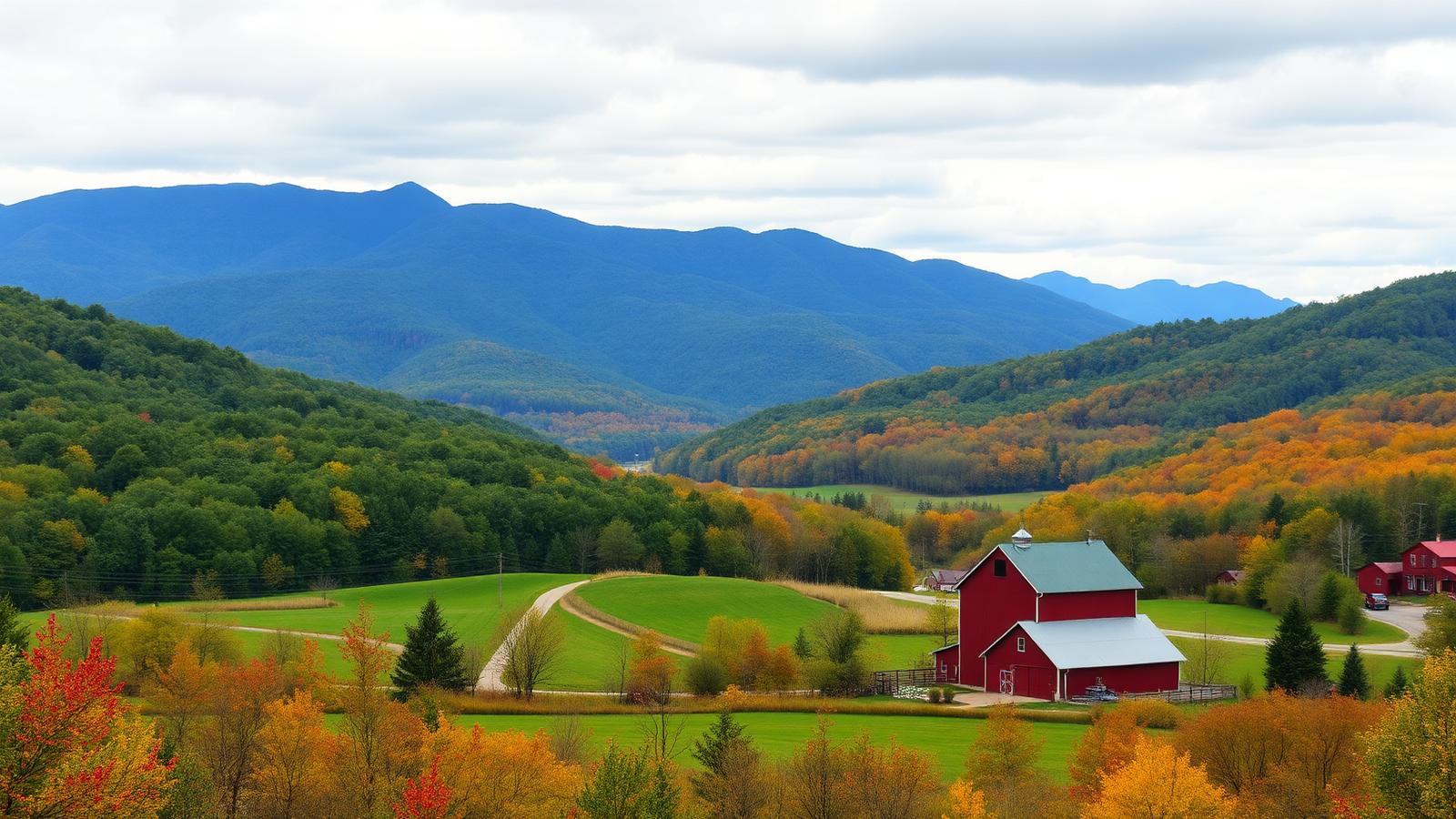
Small towns spread across mountain valleys, farmhouses two centuries old, and a rental economy that peaks twice a year. We build the intake and follow-up layer that keeps Vermont crews booked.
Typical Vermont implementation goes live in about 30-90 days.
Vermont pest control demand is spread across small markets. Burlington and Chittenden County: South Burlington, Essex, Colchester, Winooski, and Shelburne, form the largest concentration, with university rental housing, older downtown stock, and steady residential growth. Montpelier and Barre serve the capital region, Rutland anchors the southwest, and Bennington and Brattleboro carry the southern corners. St. Albans, Middlebury, and St. Johnsbury sit on routes where drive time defines the schedule. Ski towns including Stowe, Killington, Manchester, and Warren bring second homes, short-term rentals, and lodging with hard changeover deadlines, while dairy and working farms across the state add outbuilding and rodent work of their own. Farmhouse construction and mountain geography change the job, so we configure intake and territory rules market by market.
Vermont pairs a small, dispersed customer base with buildings that were never designed to keep rodents out, and a tourism economy that concentrates demand into a few weeks twice a year.
Stone foundations, hand-framed sills, attached barns, and two centuries of additions mean rodent work here is exclusion carpentry as much as pest control, and it cannot be quoted from a phone script.
Stowe, Killington, Manchester, and the Mad River Valley load rental turnover, lodging, and second-home work into short intense windows where a missed changeover cannot be recovered.
Dairy barns, equipment sheds, and grain storage across the state produce rodent and fly work that is scoped and priced completely differently from a village house.
Serving Burlington, Rutland, Brattleboro, and the Northeast Kingdom from one operation means mountain roads and distance dominate the schedule, so territory days are mandatory.
Vermont callers frequently want to know about product selection, pollinator impact, organic operations, and pet safety before they will book, so intake has to answer substantively.
Exterior work realistically runs from late spring to early fall, so most of the year’s program revenue is decided quickly and the winter belongs to interior rodent work and the quote backlog.
We are an implementation partner, not another dashboard for your CSRs to learn. Here is what gets built, and why each piece pays here.
Voice AI answers unlimited simultaneous calls at any hour, qualifies building type and territory zone, quotes from your price book, and books the visit, because in a market this size no call is expendable.
See Voice AIMessaging AI runs SMS, email, webchat, and social in one thread, so a Stowe rental manager or an out-of-state owner can share access details, approve work, and confirm a changeover window without phone tag.
See Messaging AIThe AI Sales System keeps every farmhouse exclusion quote, farm account, lodging contract, and lapsed customer in one pipeline with automated follow-up, so winter converts work instead of waiting for spring.
See the AI Sales SystemPestMail reads your route data and mails the households around every stop, which across South Burlington, Essex, and Rutland means adding customers where the truck already goes rather than adding mountain miles.
See PestMailThese are the species and situations driving Vermont phone volume, and how intake, routing, and follow-up should be configured for each.
Vermont mouse calls should be sold as inspection and exclusion with scheduled follow-up rather than a bait-only visit, because stone foundations, hand-framed sills, and attached barns give mice dozens of entries that baiting never closes. Intake should capture home age, foundation type, whether a barn or ell is attached, and where activity has been heard.
Cluster fly calls in Vermont should be booked same-week during the fall clustering window and converted into a preventive exterior treatment for the following year, because the flies mass on sunny walls and in attics for a short period and the customer books with whoever answers first. Intake should note wall exposure, attic access, and whether the property borders pasture.
Stowe, Killington, and Mad River Valley rental turnover should be scheduled against the hard guest changeover date rather than first-available, because a missed window between bookings cannot be recovered and the owner is usually out of state. Access codes and approval should live on the property record so a technician never drives up for a locked door.
Working farm and dairy accounts in Vermont should be quoted after a site inspection that counts barns, sheds, and storage rather than priced like a residential stop, because fly and rodent programs on a working farm involve multiple structures and ongoing service. Documented visit history matters for both the producer and any processor requirements.
Vermont carpenter ant calls should be booked as inspections rather than quoted as a spray, because activity in old wooden farmhouses and shaded wooded lots almost always traces to moisture in sills, porches, or roof lines that must be located first. Intake should capture sighting location, frass, wall noise, and whether the lot is heavily shaded.
Vermont callers frequently ask about product choice, pollinator impact, organic farm compatibility, and pet safety before they will book, so intake must answer substantively and route the caller to a real low-impact program option in your price book. A hedged answer at intake sends the job to whoever was ready with specifics.
Vermont companies covering multiple regions should assign each market a fixed day-of-week service block and offer callers only that window, because mountain roads and distance mean one out-of-area booking can consume most of a day. Batching stops per valley is the difference between a profitable route and a break-even one.
Every one of these is a configuration decision, not a feature you have to build. We set the intake, routing, and follow-up up for your Vermont branches.
Book a Discovery CallDeeper write-ups for individual Vermont markets, local pest pressure, the towns that drive volume, and the systems we build around them.
Granite-industry commercial demand, hillside rodent pressure, and harsh-winter overwintering volume.
Read the Barre guideUVM student housing turnover, Lake Champlain waterfront moisture pressure, and fall ladybug and stink bug swarms.
Read the Burlington guideGlobalFoundries-driven rental turnover, Winooski River moisture pests, and a compressed cold-season rodent surge.
Read the Essex Junction guideState-capital commercial demand, river-adjacent housing pressure, and harsh-winter overwintering volume.
Read the Montpelier guideKillington ski-season rental turnover, Green Mountain farmhouse pest pressure, and a wide rural Rutland County route.
Read the Rutland guideSuburban commercial growth, lake-driven moisture pests, and harsh-winter rodent pressure.
Read the South Burlington guideNot in one of those markets? We build for Vermont operators statewide, the city guides are just where we have written things down so far.
Book a Discovery CallThe full Vermont playbook in one printable PDF, seasonality, intake, routing, and the systems we build for operators here. Share it with your office team.
State-level guides written for the climate, pest pressure, and business patterns across Vermont.
We work with companies across Chittenden County, central Vermont, the southern corners, and ski country.
We have a deep, purpose-built FieldRoutes integration, and over 1,000 API connections available for everything else, so your Vermont operation keeps one source of truth instead of four.
All third-party product names, logos, and brands are property of their respective owners. Use of these names does not imply endorsement or affiliation.
Written and reviewed by the Pest AI team · Last reviewed
Bring your call volume, your booking rate, and how many exclusion quotes went cold last winter. We will show you where the leaks are and what we would build first.
Book a Discovery Call