
Granite quarry and monument businesses need commercial pest management
Sheds, offices and shops tied to the granite industry require pest control that fits around active quarry operations and shipping schedules.
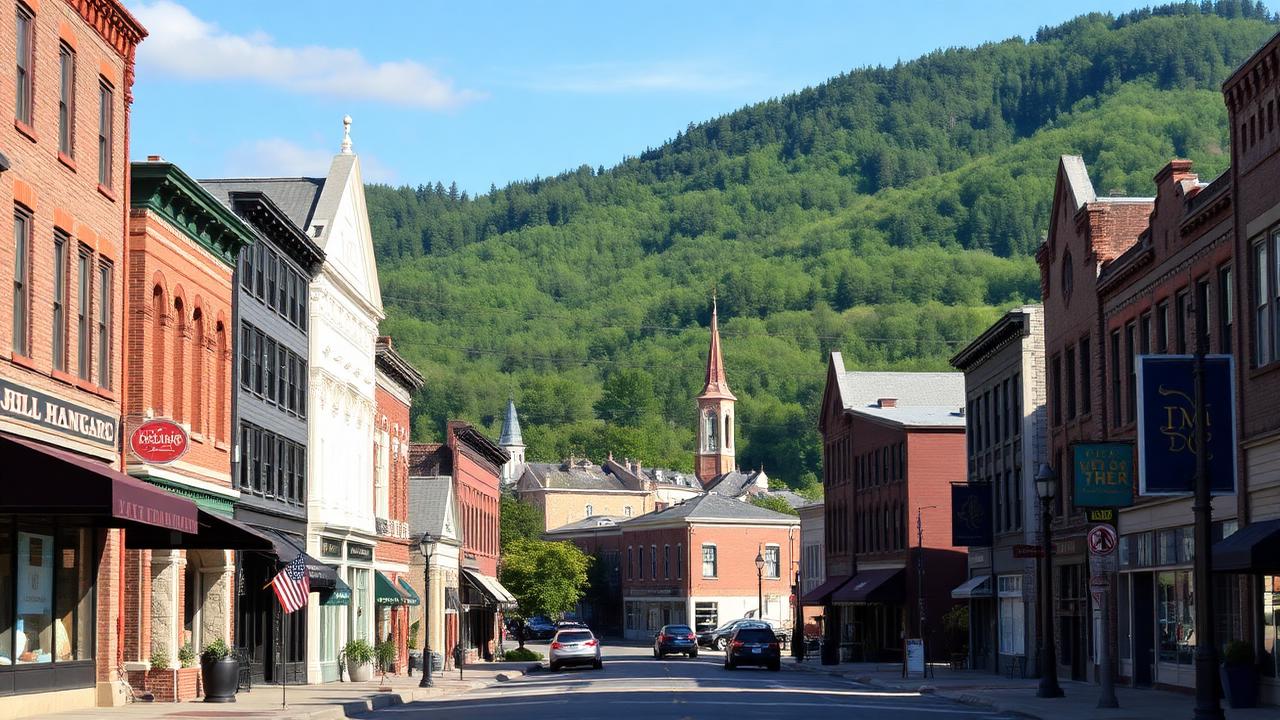
A granite-industry heritage, old hillside housing, and Vermont's long winters keep rodent and overwintering pest calls steady all year. Our AI systems capture every call while your crews cover Washington County.
Typical Barre implementation goes live in about 30-90 days.
Known as the Granite Center of the World, Barre pairs quarry and monument-industry businesses with dense old hillside neighborhoods.
Sheds, offices and shops tied to the granite industry require pest control that fits around active quarry operations and shipping schedules.
Barre's hilly terrain means older homes on steep lots have foundation and retaining-wall gaps that rats and mice exploit.
Cluster flies and stink bugs seek warmth indoors as temperatures fall, spiking calls from September through November across Barre.
Wooded lots and farmland outside the city see occasional raccoon, skunk and rodent complaints tied to outbuildings.
We configure around granite-industry commercial accounts, hillside exclusion complexity, and fall overwintering demand.
Voice AI answers around the clock and routes quarry and monument-business requests separately from residential intake.
See Voice AIMessaging AI confirms access and timing for exclusion work that requires careful hillside site assessment.
See Messaging AIThe AI Sales System tracks seasonal volume patterns so crews can plan capacity ahead of the fall rush.
See the AI Sales SystemWant to see what this looks like against your own Barre call volume? We will walk through it on a 30-minute call.
Book a Discovery CallService areas from Barre out through Montpelier, Berlin and Northfield are configured during onboarding.
We have a deep, purpose-built FieldRoutes integration, and over 1,000 API connections available for everything else, so your Barre operation keeps one source of truth instead of four.
All third-party product names, logos, and brands are property of their respective owners. Use of these names does not imply endorsement or affiliation.
Barre operators work a market shaped by the granite industry and old hillside housing. AI intake keeps every commercial, exclusion, and overwintering-season call accounted for.
Deciding whether AI is right for your business at all is a separate question from which market you are in. We answer it honestly, including when the answer is not yet, in our AI decision guides, starting with should I use AI in my pest control business.
Barre's granite-belt terrain and Green Mountain winters set a predictable rhythm for calls each year. Crews working Websterville and Graniteville see different pressure than those covering the Winooski River flats near downtown.
Snowmelt off the quarry hills and Millstone Hill saturates old stone foundations along Websterville Road, pushing carpenter ants and early-season mice indoors as they search for dry cavities. Vernal pools and roadside ditches near the Barre Town line bring mosquito larvae online by late April. Homeowners in the granite-worker triple-deckers near North Main Street start calling about ants trailing along sills once the ground thaws, and quarry offices reopen for the season needing perimeter treatments before shipping ramps up.
Summer heat over the exposed granite ledges raises surface temperatures fast, driving yellowjackets and paper wasps to nest under eaves on Websterville's older duplexes and around monument-shop loading docks. Ticks are active in the brushy edges along the Cross Vermont Trail and Millstone Trails, prompting calls from families near Currier Park. Stored grain pests turn up in older pantries downtown, and quarry outbuildings on Graniteville Road see occasional yellowjacket ground nests near stone debris piles.
This is Barre's signature stretch: as nights cool on the exposed hillsides, cluster flies and boxelder bugs swarm south-facing granite and clapboard walls looking for gaps to overwinter. Stink bugs follow close behind. Rodents also start pushing into foundation cracks on the older hillside homes above North Main and Prospect Street as outdoor food sources disappear, and quarry-adjacent sheds see mice moving in ahead of the first hard frost, usually by mid-October.
Deep cold settles into the Barre-Montpelier valley and rodents already inside old hillside foundations become the dominant call type, especially in homes with fieldstone or rubble foundations common in Websterville and Graniteville. Cluster flies that made it indoors in fall become active again on warm sunny days, appearing in attics and upper floors. Quarry offices and monument shops request preventive rodent checks before the holiday shutdown to avoid surprises when crews return in January.
Carpenter bees begin drilling into weathered fascia boards and porch railings of Websterville duplexes as temperatures hold above 60, leaving sawdust piles near Prospect Street. Termite swarmers occasionally appear around old sill plates downtown after a warm May rain. Spring cleanup at granite-industry yards along Graniteville Road disturbs ants nesting under stacked stone, sending workers into nearby offices and break rooms looking for territory before summer construction season begins.
Late-summer humidity off the Stevens Branch feeds mosquito populations in low-lying yards near downtown Barre, while wasps building secondary nests along North Main Street peak in aggression as colonies reach full size. Occasional bat entries get reported in older Websterville attics as young bats disperse from summer roosts. Granite-shop owners along Graniteville Road also see ants and wasp nests near stone-cutting debris piles that retain heat into early fall.
Barre's hills, granite quarries, and spread-out Washington County towns shape how routes get built. Dispatch decisions here are as much about terrain as they are about traffic.
Techs working Websterville and Graniteville climb steep, narrow roads like Websterville Road and Quarry Street that slow travel compared to flat routes downtown. Dispatch groups these hillside stops together rather than mixing them with valley-floor jobs near the Winooski River, since a single quarry-area detour can add real time to a day. Commercial quarry and monument-shop accounts along Graniteville Road are scheduled around shipping and loading-dock hours.
Washington County service areas stretch from downtown Barre out to Montpelier via Route 302, and south to Northfield along Route 12A. These aren't dense suburban hops, they're ten-to-twenty-minute rural drives each way, so the AI Sales System helps sequence stops by corridor rather than zip code to avoid crews crisscrossing back and forth between Barre and Montpelier in the same afternoon.
Interstate 89 connects Barre to Montpelier and Burlington, but winter storms and lake-effect snow bands routinely slow this corridor and close side roads on the steeper grades above Websterville. Crews build buffer time into fall and winter schedules, and dispatch reshuffles same-day stops when a squall hits the exposed hillside routes before it affects downtown.
Barre's triple-deckers and granite-worker cottages near North Main Street often have fieldstone or rubble foundations with irregular gaps, which take longer to inspect and treat than newer slab construction. Techs scheduled for hillside exclusion work get extended time blocks compared to routine downtown stops, and seasonal staffing adds capacity each September as the overwintering-pest rush begins.
Barre’s terrain and thirty-minute drives between Barre, Montpelier, and Northfield make technician recruiting harder than in flat suburban markets. Operators here look for hires comfortable with steep foundation crawlspaces and long solo drives on Route 302 and Route 12A. The AI Sales System helps track candidate pipelines and follow-up so recruiting does not stall during the fall overwintering rush when experienced techs are hardest to pull off routes.
Nor’easters and sudden squalls off the Green Mountains regularly force same-day cancellations on exposed hillside routes above Websterville, even when downtown Barre stays clear. Rather than losing that revenue, dispatch uses automated messaging to rebook affected partners into the next open window, prioritizing quarry and monument-business commercial accounts that operate on tight shipping schedules and can least afford a delayed exclusion or treatment visit.
More reading for operators working Barre, VT and the markets around it.
Location-specific guides written for the pest pressure, routes, and customer behavior of this market.
A short one-pager on the Barre market, the systems we build for operators here, and how implementation runs, written to be printed and passed around.
Last updated 2026-09-17
Try the messaging AI that answers texts, webchat, and social for pest control teams.
Start a ChatUse our free pest control AI assistant today, no contract, no setup call.
Try PestGPT FreePull last September through November. We'll show you how many Barre cluster fly and rodent calls came in after hours and never got a callback.
The Vermont guide covers statewide pest pressure, licensing and call patterns, and links every Vermont city guide we publish, including this one.