
Retail and commercial corridors along Route 7 need scheduled service
Shopping centers, hotels and office parks along Dorset Street and Williston Road require regular inspections and fast response to avoid customer complaints.
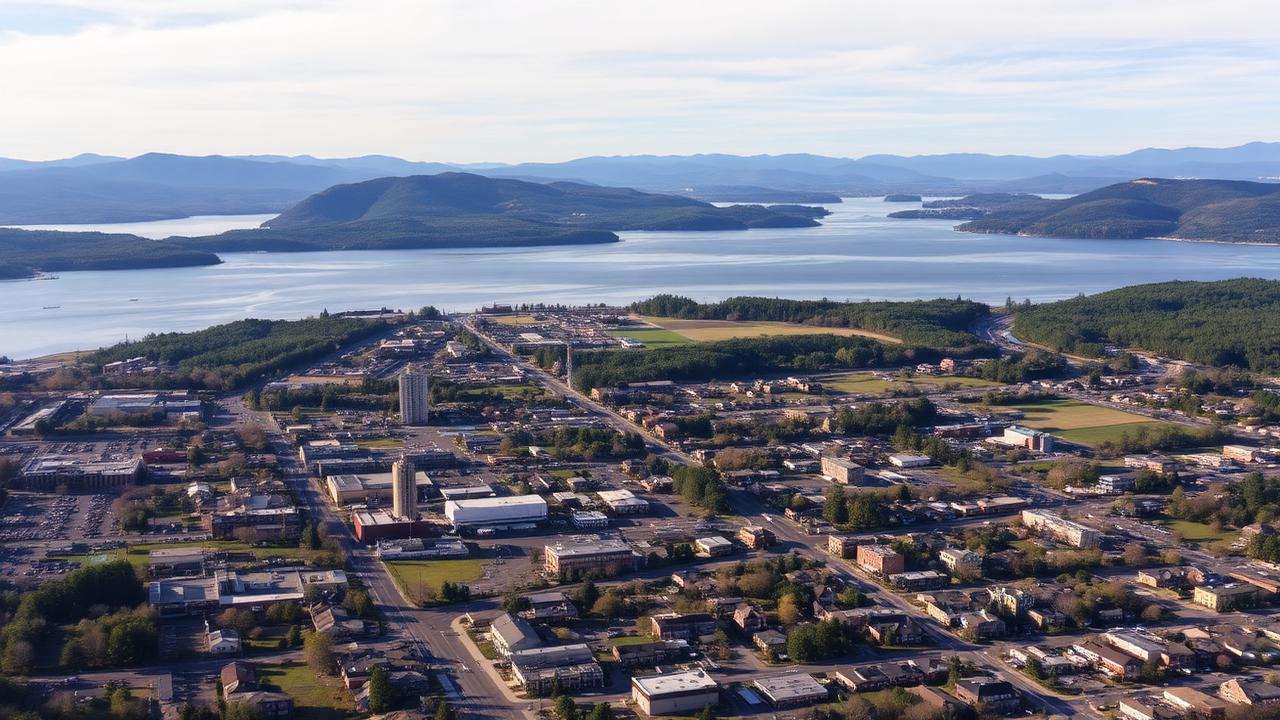
Growing suburban commercial corridors, Lake Champlain humidity, and Vermont's long winters keep pest demand varied and steady through the year. Our AI systems capture every call while your crews cover Chittenden County.
Typical South Burlington implementation goes live in about 30-90 days.
Vermont's fastest-growing commercial corridor pairs new retail and office development with older residential neighborhoods near Lake Champlain.
Shopping centers, hotels and office parks along Dorset Street and Williston Road require regular inspections and fast response to avoid customer complaints.
Neighborhoods near the lake shore see elevated humidity feeding ant and mosquito complaints through the warmer months.
Ongoing development in South Burlington generates new-construction pest inspection and termite pretreatment calls.
Cluster flies and stink bugs seek warmth indoors as temperatures fall, spiking calls from September through November across South Burlington.
We configure around commercial-corridor demand, lake-driven moisture pests, and fall overwintering volume.
Voice AI answers around the clock and routes retail and office commercial requests separately from residential intake.
See Voice AIMessaging AI confirms scheduling for termite pretreatment and inspection appointments tied to new development.
See Messaging AIThe AI Sales System tracks seasonal volume patterns so crews can plan capacity ahead of the fall rush.
See the AI Sales SystemWant to see what this looks like against your own South Burlington call volume? We will walk through it on a 30-minute call.
Book a Discovery CallService areas from South Burlington out through Burlington, Williston and Shelburne are configured during onboarding.
We have a deep, purpose-built FieldRoutes integration, and over 1,000 API connections available for everything else, so your South Burlington operation keeps one source of truth instead of four.
All third-party product names, logos, and brands are property of their respective owners. Use of these names does not imply endorsement or affiliation.
South Burlington operators work a market shaped by fast commercial growth and proximity to Lake Champlain. AI intake keeps every commercial-corridor, new-construction, and overwintering-season call accounted for.
Deciding whether AI is right for your business at all is a separate question from which market you are in. We answer it honestly, including when the answer is not yet, in our AI decision guides, starting with should I use AI in my pest control business.
Chittenden County pest pressure tracks Lake Champlain moisture cycles and Vermont sharp seasonal swings. Crews shift focus four times a year as conditions along the lakeshore and inland corridors change.
As snowmelt saturates yards near Potash Brook and the lower reaches of Muddy Brook, carpenter ants and pavement ants become active in South Burlington basements and slab foundations. Spring thaw also exposes overwintering sites where cluster flies and boxelder bugs spent the winter in wall voids, and homeowners in the Orchard School and Chamberlin neighborhoods start calling once they see live insects indoors. Termite swarmer calls near older Shelburne Road properties also begin this window as soil temperatures climb.
Warm, humid air off Lake Champlain settles over neighborhoods near Red Rocks Park and the bike path corridor, feeding mosquito breeding in low-lying yards and stormwater catchments. Ant activity peaks around Dorset Street retail plazas where irrigation and landscaping beds stay consistently damp. Yellow jackets build nests in eaves and shed structures throughout the Southeast Quadrant, and stinging-insect calls climb through July as outdoor dining season along Williston Road draws complaints from restaurant tenants.
As nights cool below 50 degrees, cluster flies and stink bugs migrate toward south-facing walls of homes near the University Mall and Dorset Park, seeking gaps around siding and window trim to overwinter. This is South Burlington highest-volume stretch, with calls concentrated in older ranch-style homes built before energy codes tightened sealing standards. Rodents also begin working toward crawl spaces and garages as field mice move in from undeveloped land bordering the airport and Muddy Brook wetlands.
Deep winter pushes mice and the occasional rat into heated commercial kitchens along Williston Road and residential basements throughout the Bartlett Bay and Spear Street areas. Structural gaps around dryer vents and foundation sills become primary entry points once outdoor temperatures drop into single digits. Commercial accounts near the airport and Route 7 industrial parks request scheduled preventive rodent service through this stretch to protect food-storage areas ahead of health inspections.
As business travel through Burlington International Airport picks up in late spring, hotels and short-term rentals along Williston Road report a seasonal uptick in bed bug inspection requests, since guest turnover accelerates faster than winter's slower travel months. Property managers request rapid-response service agreements to protect guest reviews, making this a distinct commercial niche separate from the retail pest contracts along Dorset Street.
Wood-sided homes in the Chamberlin and Orchard School neighborhoods, many built in the postwar decades before vinyl siding became standard, see carpenter bees boring into eaves and fascia boards as temperatures stabilize in early June. Homeowners often mistake the damage for woodpeckers at first, and calls cluster tightly in this two-to-three week window before the bees finish their nesting cycle for the season.
South Burlington compact footprint keeps drive times short, but seasonal traffic and lakeshore development shape how routes get built. Dispatch decisions here hinge on corridor congestion and housing density.
Dorset Street and Williston Road carry heavy retail traffic during weekday lunch hours and weekend shopping peaks, so techs scheduling commercial stops near the University Mall or the Trader Joe plaza should avoid midday arrivals. Routing crews from the Route 7 corridor toward Spear Street or Dorset Park in the early morning avoids the worst of the school-related traffic near local elementary schools.
South Burlington grid of subdivisions off Kennedy Drive and Hinesburg Road allows crews to stack four or five stops within a two-mile radius, cutting windshield time compared to more spread-out Vermont service areas. Clustering jobs by neighborhood, such as Chamberlin or Southeast Quadrant, lets one tech cover a full afternoon without crossing back over I-89.
With direct access to I-89 at Exit 14, South Burlington serves as a natural staging point for crews also covering Williston, Shelburne and Burlington. Dispatchers route techs through the interchange during off-peak hours to reach outlying Chittenden County stops without adding significant drive time to the daily schedule.
Older ranch homes near Dorset Park require attic and crawl-space work that takes longer per stop than newer construction near the Hillside neighborhood, so scheduling software should account for structure age when blocking time. Commercial accounts along Williston Road typically require after-hours access, pushing some crew shifts later into the evening during the fall overwintering rush.
Office parks and apartment complexes near the airport and along Dorset Street often hold multi-building contracts through a single property manager, so a missed callback can put several accounts at risk at once rather than just one job. Treating these partners as a distinct category, with faster response commitments than a one-off residential call, keeps the recurring revenue from those buildings from drifting to a competitor.
Nor'easters and lake-effect snow off Lake Champlain can shut down Kennedy Drive and sections of Route 7 with little warning, forcing dispatchers to rebook a full day of appointments at once. South Burlington operators who keep a standing list of flexible afternoon slots recover that lost volume faster than those who wait for partners to call back on their own after a cancellation.
More reading for operators working South Burlington, VT and the markets around it.
Location-specific guides written for the pest pressure, routes, and customer behavior of this market.
A short one-pager on the South Burlington market, the systems we build for operators here, and how implementation runs, written to be printed and passed around.
Last updated 2026-09-17
A 30-minute walkthrough against your own South Burlington call volume.
Book a Discovery CallTry the messaging AI that answers texts, webchat, and social for pest control teams.
Start a ChatUse our free pest control AI assistant today, no contract, no setup call.
Try PestGPT FreePull last September through November. We'll show you how many South Burlington cluster fly and rodent calls came in after hours and never got a callback.
The Vermont guide covers statewide pest pressure, licensing and call patterns, and links every Vermont city guide we publish, including this one.