
The exterior season is measured in weeks
Exterior work is realistically possible for a small part of the year, so a missed call in June or July is a far larger share of annual revenue than almost anywhere else in the country.
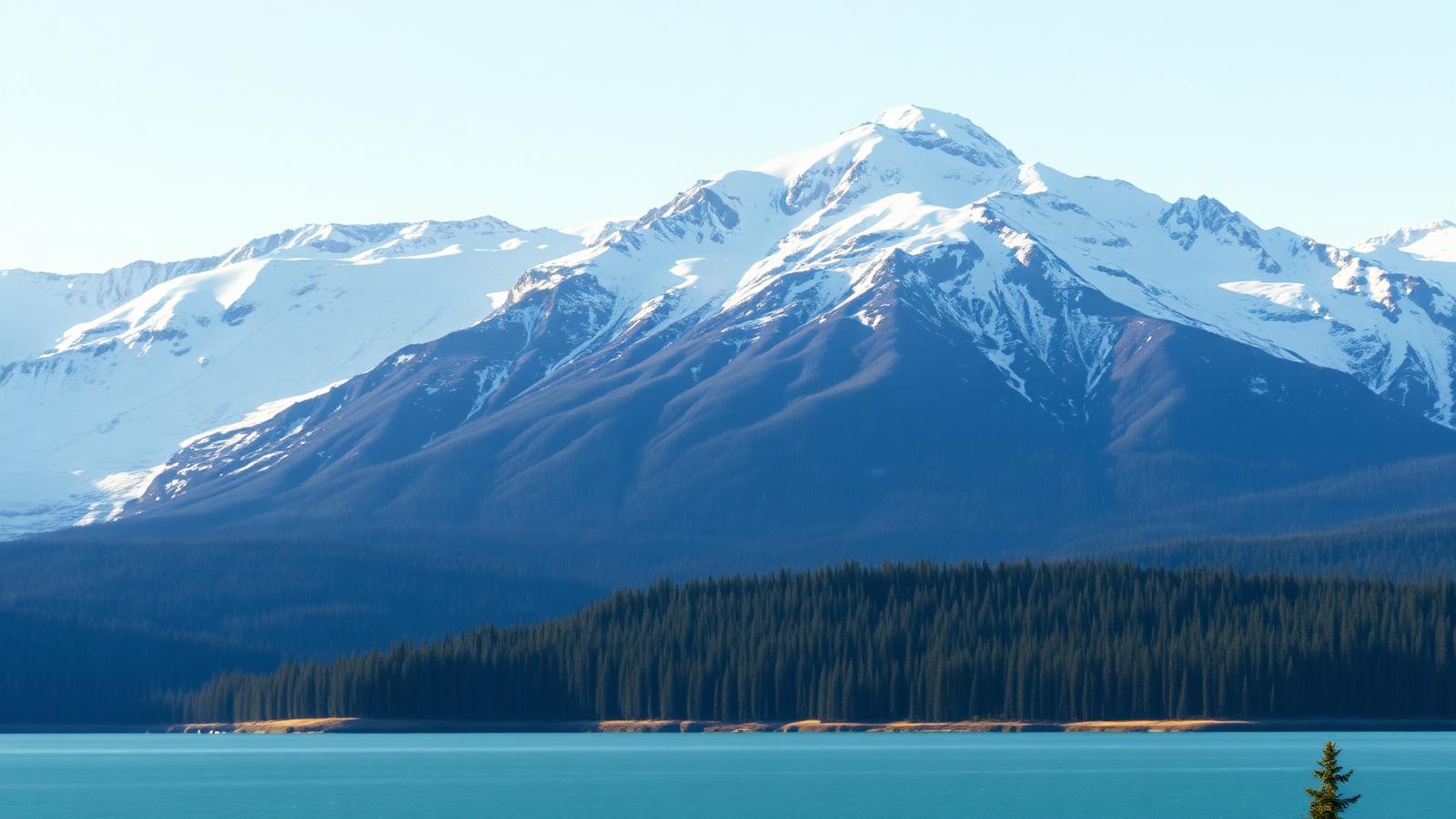
A working season most operators measure in weeks, logistics that involve flights and barges, and interior work that never stops. We build the intake layer that makes every Alaska call count.
Typical Alaska implementation goes live in about 30-90 days.
Alaska pest control demand concentrates in a few population centers. Anchorage is the largest by a wide margin, with Eagle River, Chugiak, and the Mat-Su Valley towns of Wasilla and Palmer adding steady residential growth. Fairbanks and North Pole serve the interior, with extreme cold that changes both construction and pest behavior. Juneau, Ketchikan, and Sitka anchor Southeast on maritime logistics, while the Kenai Peninsula around Soldotna, Kenai, Homer, and Seward carries seasonal and fishing-industry work. Beyond the road system, communities are reached by air or water, which makes every job a logistics decision. Rodent exclusion, food-facility work, and structural pests dominate, so we configure intake and territory rules market by market.
Alaska turns pest control into a logistics business. The species list is short, the season is shorter, and getting a technician to the property is often the hardest part of the job.
Exterior work is realistically possible for a small part of the year, so a missed call in June or July is a far larger share of annual revenue than almost anywhere else in the country.
Serving villages and towns off the road system means flights, barges, and multi-day planning, so those jobs have to be batched and confirmed in advance rather than scheduled casually.
Mice, rats in port communities, and general exclusion drive most recurring revenue, and they are sold on inspection and sealing rather than a spray schedule.
Processing plants, restaurants, hospitals, and remote camps expect documented service records and fast escalation on findings, which is a records discipline more than a treatment problem.
From freeze-up to break-up, work is interior rodent and structural pest service plus the quote backlog, so the office has to sell a completely different mix for much of the year.
With few operators in most communities, responsiveness builds long-term accounts fast, and one week of unanswered calls damages a reputation that is hard to rebuild locally.
We are an implementation partner, not another dashboard for your CSRs to learn. Here is what gets built, and why each piece pays here.
Voice AI answers unlimited simultaneous calls at any hour and across time zones, qualifies location and access, quotes from your price book, and books the visit, because a missed July call here does not come back.
See Voice AIMessaging AI runs SMS, email, webchat, and social in one thread, so a lodge manager, camp coordinator, or off-road facility contact can confirm access, approve work, and lock a travel window without phone tag.
See Messaging AIThe AI Sales System keeps every exclusion bid, commercial proposal, remote-site contract, and lapsed account in one pipeline with automated follow-up, so winter converts business instead of waiting for break-up.
See the AI Sales SystemPestMail reads your route data and mails the households around every stop, which across Anchorage, Eagle River, and the Mat-Su means adding customers where the truck already goes.
See PestMailThese are the situations driving Alaska phone volume, and how intake, routing, and follow-up should be configured for each.
Alaska rodent calls should be sold as inspection and exclusion with scheduled follow-up rather than a bait-only visit, because mice and voles exploit foundation gaps, crawlspaces, utility penetrations, and outbuildings that will readmit them every freeze-up unless they are sealed. Intake should capture outbuildings, stored equipment, and whether droppings are in living space.
Rat reports in Alaska port and dock communities should be escalated immediately and handled as an inspection with monitoring rather than a routine treatment, because introductions arrive with vessels and cargo and early containment matters far more than a single service. Intake should capture proximity to docks, cargo storage, and any sighting details.
Seafood processors, restaurants, hospitals, and remote camps in Alaska need documented service history, device-level records, and immediate escalation of findings, because auditors and corporate reviews judge the program on paperwork as much as results and a return visit may be days away. Site access and travel requirements should live on the account record.
Jobs in communities off the road system should be batched into planned trips with confirmed access, lodging, and freight rather than scheduled as individual appointments, because a single village visit can require flights or a barge and multiple days. Intake should identify off-road addresses immediately and route them to the trip planning queue.
Alaska wasp and hornet calls should be triaged for sting risk and booked as urgent same-day or next-day work through the brief late-summer peak, because nests around eaves, decks, and cabins develop quickly in the long daylight and callers with children or allergies will not wait. Intake should record nest location and height.
Lodges, cabins, and seasonal rentals should be serviced through a written coordination flow with pre-season inspection scheduled before guests arrive, because access is limited, the operator may be off-site until opening, and a mid-season pest problem in a remote lodge cannot be fixed quickly. Access details and opening dates belong on the property record.
Alaska operators should treat the dark months as a structured selling season for interior rodent work, commercial contracts, and the summer quote backlog, because exterior programs are closed but every unclosed bid is still reachable by automated follow-up. Pre-booking summer trips also lets the short season open at full capacity.
Every one of these is a configuration decision, not a feature you have to build. We set the intake, routing, and follow-up up for your Alaska branches.
Book a Discovery CallDeeper write-ups for individual Alaska markets, local pest pressure, the logistics that shape the work, and the systems we build around them.
Midnight-sun wasp surges, overwintering rodent pressure, and a service radius that spans Eagle River to the Kenai Peninsula turnoff.
Read the Anchorage guideSixty-below rodent pressure, midnight-sun wasp nesting, and dispatch across widely scattered borough properties.
Read the Fairbanks guideRainforest moisture pests, no road access for parts or crews, and a summer visitor season that swamps downtown accounts.
Read the Juneau guideFishing-season population swings, cabin turnover work, and peninsula-scale routing between Kenai, Soldotna and Nikiski.
Read the Kenai guideExtreme rainfall, waterfront wood construction, and a cruise season that concentrates commercial demand downtown.
Read the Ketchikan guideRapid Mat-Su growth, long valley drive times, and a winter rodent season that never really pauses.
Read the Wasilla guideNot in one of those markets? We build for Alaska operators statewide, the city guides are just where we have written things down so far.
Book a Discovery CallThe full Alaska playbook in one printable PDF, seasonality, intake, routing, and the systems we build for operators here. Share it with your office team.
State-level guides written for the climate, pest pressure, and business patterns across Alaska.
We work with companies across Southcentral, the Interior, Southeast, and the Kenai Peninsula.
We have a deep, purpose-built FieldRoutes integration, and over 1,000 API connections available for everything else, so your Alaska operation keeps one source of truth instead of four.
All third-party product names, logos, and brands are property of their respective owners. Use of these names does not imply endorsement or affiliation.
Written and reviewed by the Pest AI team · Last reviewed
Bring your call volume, your booking rate, and how much of your short season is lost to voicemail and travel planning. We will show you where the leaks are and what we would build first.
Book a Discovery Call