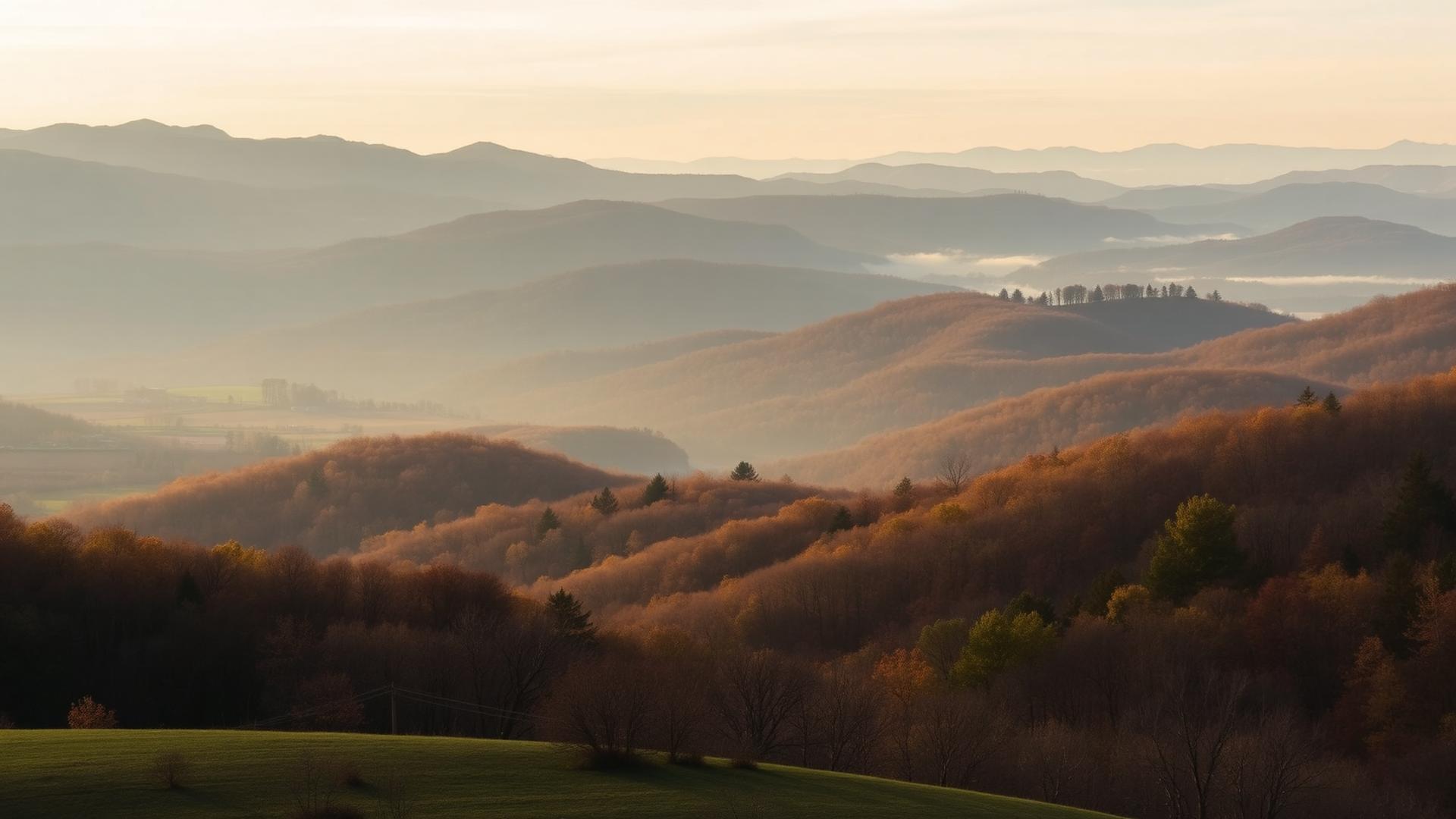
Pest Control Software Built for Virginia Operators
From Beltway commuter suburbs to Tidewater humidity to the Blue Ridge, on a real estate calendar that never slows down. We build the phone, messaging, and CRM layer that keeps Virginia crews booked and inspection work on time.
Typical Virginia implementation goes live in about 30-90 days.
Calls answered and booked
24/7Calls answered and booked
Software integrations available
1,000+Software integrations available
Bilingual intake by default
EN + ESBilingual intake by default
Typical time to live
30-90 daysTypical time to live
Virginia pest control demand splits across four markets with genuinely different customers. Northern Virginia runs Arlington, Alexandria, Fairfax, Loudoun, and Prince William counties, where dual-income commuter households buy on convenience and expect scheduling to happen by text. Central Virginia centers on Richmond and its suburbs in Henrico and Chesterfield, plus Charlottesville and Fredericksburg. Hampton Roads covers Virginia Beach, Norfolk, Chesapeake, Newport News, Hampton, and Suffolk, with coastal humidity, military relocation churn, and heavy rental turnover. The west runs Roanoke, Lynchburg, Blacksburg, and the Shenandoah Valley through Harrisonburg and Winchester. Coastal moisture, Piedmont clay, and mountain elevation set different pest calendars, so we configure intake and campaign timing by region rather than statewide.
What makes a Virginia operation different
Virginia operators compete against national brands with call centers in most of their markets. Winning comes down to answering faster, scheduling around real deadlines, and never letting inspection relationships go quiet.
The closing calendar drives the inspection book
Wood-destroying insect reports attached to home sales, especially the ones required on VA loan transactions common around the military bases, come with fixed settlement dates. Agents and lenders do not leave a second voicemail.
Military relocation keeps churn high
Hampton Roads, Quantico, and the Northern Virginia corridor cycle households constantly. That means steady move-in and move-out inspection work, but also a customer base that has to be re-earned continually rather than aging into loyalty.
Crawlspaces turn moisture into a second sale
A large share of Virginia housing sits over vented crawlspaces where humidity, fungus, and wood-destroying organisms appear together. Intake that never asks about access or standing water sends an inspector out blind and leaves encapsulation revenue behind.
Northern Virginia buys on speed and text
Commuter households in Loudoun and Fairfax will not sit on hold at 8am, and they expect confirmation, reminders, and rescheduling to happen over text like every other service they buy.
Four regions, four seasons
Virginia Beach humidity, the Richmond Piedmont, and the Shenandoah Valley do not swarm or cool on the same schedule. A statewide campaign timed to Richmond fires late on the coast and early in the mountains.
Traffic makes route-blind booking expensive
The Beltway, I-95 through Fredericksburg, and the Hampton Roads tunnels can erase an hour of a poorly sequenced day. Geography-aware scheduling is worth a stop per truck per day in those metros.
The systems we build around a Virginia operation
We are an implementation partner, not another dashboard for your CSRs to learn. Here is what gets built, and why each piece pays here.
Every call answered live, including the 7am NoVA rush
Voice AI answers unlimited simultaneous calls at any hour, qualifies the property, quotes from your price book, and books into the nearest open route, in English or Spanish, so the morning spike stops going to voicemail.
Messaging AI runs SMS, email, webchat, and social in one thread, so a Fairfax agent texting about a Friday settlement or a Virginia Beach homeowner messaging at 10pm gets a confirmed window immediately.
WDI requests and moisture bids that stop going cold
The AI Sales System keeps every inspection request, encapsulation bid, and agent relationship in one pipeline with automated follow-up, review requests, and reactivation of accounts that lapsed after last season.
Mail that tightens the route instead of scattering it
PestMail reads your route data and mails the neighbors around every stop, which across Loudoun, Chesterfield, and Chesapeake subdivisions means new customers that fit between existing ones.
How should Virginia pest control companies handle WDI inspection requests?
A Virginia wood-destroying insect report request should be answered live and scheduled on the same call, because the agent, lender, or settlement company is working a fixed closing date and will move to the next company immediately. Findings and the signed report remain the responsibility of your technician registered through the Virginia Department of Agriculture and Consumer Services; the systems capture the property address, settlement date, and requesting party, then book or escalate on the spot.
Flag the settlement date at intake and schedule against the deadline.
Text the agent or settlement company an instant confirmation.
Track referring agents as sources so you can see which relationships produce.
Subterranean termites
What is the best pest control setup for termite calls in Virginia?
Virginia termite calls should be booked as same-week inspections during spring swarm season, because eastern subterranean termites swarm on warm afternoons from Tidewater through the Piedmont and swarm callers shop fast. Intake needs to capture whether the caller is seeing winged swarmers, discarded wings, or mud tubes, plus whether the home is slab, basement, or crawlspace, so the inspector arrives with the right equipment and quote range.
Book the inspection on the call during swarm weeks.
Capture foundation type, slab, basement, or crawlspace, before dispatch.
Trigger a neighborhood campaign after a confirmed swarm.
Crawlspace moisture
What is the best setup for crawlspace moisture and fungus calls in Virginia?
Crawlspace moisture work in Virginia should be sold inspection-first with photo-documented findings, because vented crawlspaces across the Piedmont and Tidewater produce fungus, wood rot, and conducive conditions a homeowner cannot describe over the phone. Intake should capture access, crawlspace height, and any history of standing water so the inspector arrives with a moisture meter and a defensible encapsulation quote range.
Ask about access, height, and standing water at intake.
Quote the inspection first; encapsulation is a documented second sale.
Pair moisture findings with the termite conversation, not separately.
Ants & carpenter ants
What is the best pest control program for carpenter ants in Virginia?
Virginia carpenter ant calls should be handled inspection-first rather than quoted as a single interior spray, because carpenter ants nest in moisture-damaged wood and the real fix is locating the nest and the water source feeding it. Intake should ask where ants are being seen, whether they appear at night, and whether there is known roof, gutter, or crawlspace moisture, so the tech arrives ready to inspect both the structure and the conditions.
Ask about nighttime activity and known moisture at intake.
Bundle the moisture correction conversation with the treatment quote.
Sell recurring coverage rather than a single interior treatment.
Mice & rodents
What is the best pest control setup for rodent calls in Virginia?
Rodent work in Virginia should be sold inspection-first with exclusion attached, because older housing in Richmond, Alexandria, and Norfolk plus widespread crawlspace and basement construction means trapping alone produces a callback within weeks. Intake should capture where noise is heard and when, whether there is attic, basement, or crawlspace access, and whether droppings have been found, so the tech arrives with the right equipment.
Capture attic, basement, and crawlspace access at intake.
Quote exclusion and trapping as one program with a clear guarantee.
Expect the volume ramp with the first cool snap in the fall.
Stink bugs & overwintering pests
What is the best pest control setup for stink bug calls in Virginia?
Virginia brown marmorated stink bug calls should be converted into fall exclusion and perimeter programs rather than one-time interior treatments, because the insects enter through soffits, attic vents, and window frames during the first cool weeks and interior spraying does nothing about next season. Intake should capture which rooms and which side of the house, since that guides the exterior work.
Sell the fall perimeter and exclusion service before the first cool front.
Ask which rooms and which exposure the callers are seeing.
Set the reminder now for next year’s pre-season outreach.
Mosquitoes & ticks
What is the best pest control program for mosquitoes and ticks in Virginia?
Virginia mosquito and tick control should be sold together as a season-long yard subscription rather than per-visit spraying, because wooded suburban lots across Northern Virginia and the Piedmont carry real tick pressure alongside summer mosquito activity. The highest-return systems are an early-spring reactivation campaign to last year’s subscribers and automated in-season re-service handling after heavy rain.
Bundle tick coverage into the mosquito program on wooded lots.
Launch renewals before the first warm week, not after the first complaint.
Auto-route in-warranty re-service requests straight to the route.
Military & rental turnover
What is the best pest control setup for Hampton Roads rental turnover?
Hampton Roads rental and military relocation accounts are best served with turnover-day scheduling and instant confirmation to the property manager, because PCS cycles and lease turnover create tight windows where a missed appointment holds up a move-in. The systems should recognize the manager as a repeat commercial caller, pull the property history, and book into reserved turnover capacity.
Reserve turnover capacity around month-end and PCS season.
Keep per-property service history retrievable on the call.
Confirm the window by text the moment it is set.
Commercial & food service
What is the best pest control setup for Virginia restaurants and commercial accounts?
Virginia commercial accounts are best protected with documented recurring service and instant escalation handling, because health inspections and dense restaurant corridors in Arlington, Richmond, and Virginia Beach turn a single sighting into an urgent business problem for your customer. After-hours answering that reaches an on-call tech, instantly retrievable service records, and automatic flagging of repeat calls keep the contract from going out to bid.
Route commercial escalations separately from residential intake.
Keep service documentation instantly retrievable for an inspector.
Flag any site calling twice in a week for manager review.
Every one of these is a configuration decision, not a feature you have to build. We set the intake, routing, and follow-up up for your Virginia branches.
The full Virginia playbook in one printable PDF, seasonality, intake, routing, and the systems we build for operators here. Share it with your office team.
What makes running a Virginia pest control operation different
Intake and routing setups for the calls that actually pay
Answers to the questions operators ask before they automate
Links to every Virginia city guide we publish
Loading the Virginia guide form
Virginia AI guides
State-level guides written for the climate, pest pressure, and business patterns across Virginia.
We work with companies from the Beltway to the Blue Ridge to the Chesapeake, not just Northern Virginia.
Arlington & Alexandria
Fairfax County & Loudoun County
Prince William County & Manassas
Fredericksburg & the I-95 Corridor
Richmond, Henrico & Chesterfield
Charlottesville & the Central Piedmont
Virginia Beach & Chesapeake
Norfolk, Portsmouth & Suffolk
Newport News, Hampton & the Peninsula
Roanoke & the New River Valley
Lynchburg & Southside
Harrisonburg, Winchester & the Shenandoah Valley
Connected to the software you already run
We have a deep, purpose-built FieldRoutes integration, and over 1,000 API connections available for everything else, so your Virginia operation keeps one source of truth instead of four.
All third-party product names, logos, and brands are property of their respective owners. Use of these names does not imply endorsement or affiliation.
Virginia pest control software questions
Written and reviewed by the Pest AI team · Last reviewed