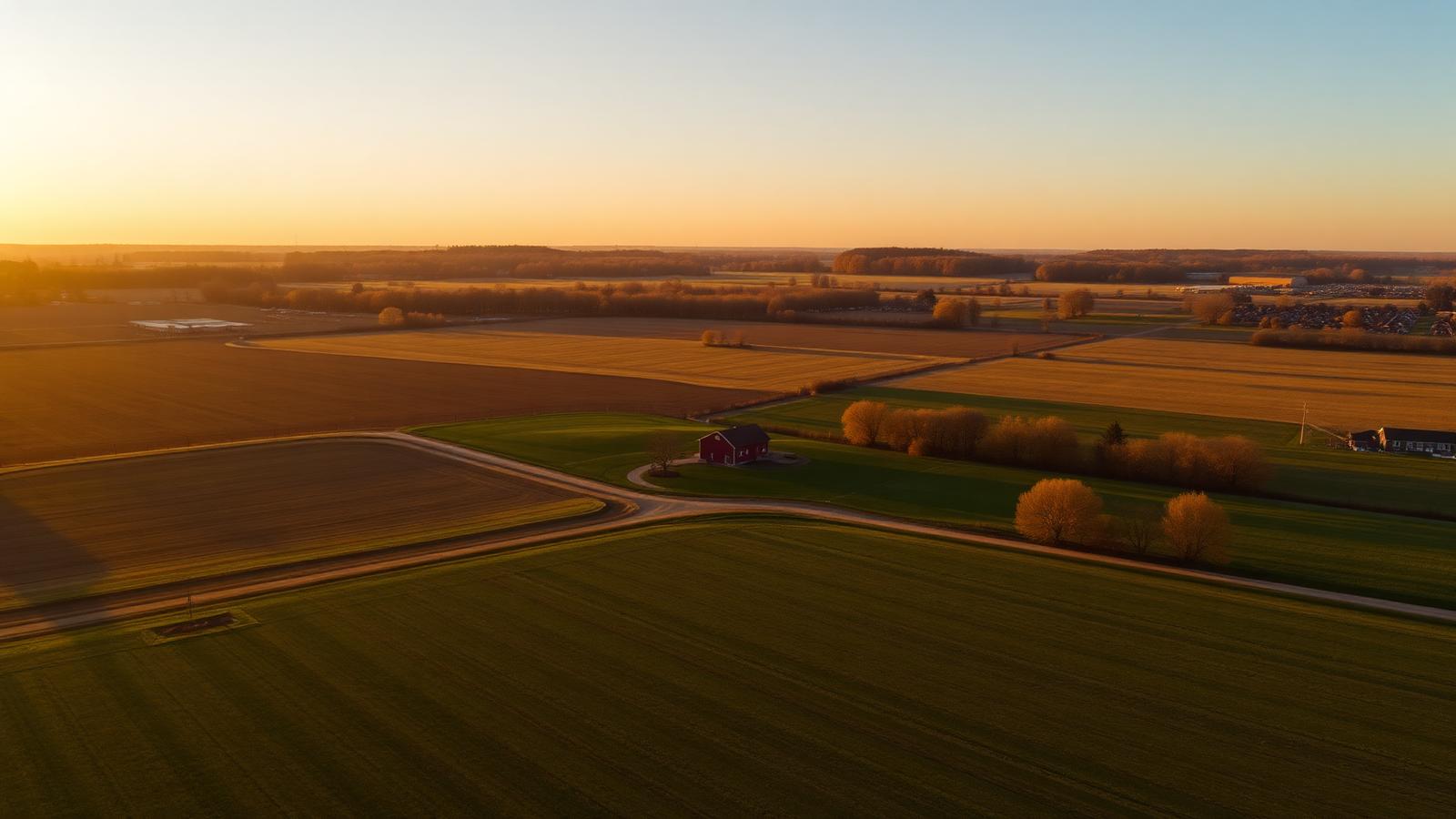
Four hard seasons, older housing stock with full basements, and a metro ring that adds subdivisions every year. We build the phone, messaging, and CRM layer that keeps Indiana crews booked through the swing months.
Typical Indiana implementation goes live in about 30-90 days.
Calls answered and booked
24/7Calls answered and booked
Software integrations available
1,000+Software integrations available
Bilingual intake by default
EN + ESBilingual intake by default
Typical time to live
30-90 daysTypical time to live
Indiana pest control demand concentrates in the Indianapolis metro: Carmel, Fishers, Noblesville, Westfield, Greenwood, and Avon, where new construction and relocation keep first-service demand high year-round. Fort Wayne anchors the northeast, the South Bend, Mishawaka, and Elkhart corridor carries dense older housing and a large manufacturing base, Evansville sits on the Ohio River in the humid southwest, and Bloomington and Lafayette run on university rental cycles that turn over every August. Gary, Hammond, and the Region operate as Chicago-adjacent markets with their own commercial and multifamily pressure. Basement rodent season, spring termite swarms, and August lease-turn volume land at different intensities in each of these, so we configure intake, scripts, and campaigns market by market rather than statewide.
What makes an Indiana operation different
Indiana is a four-season state with a hard rodent shoulder, a compressed termite window, and a metro ring that keeps producing first-time customers. The operators that scale here can flex capacity through the swings without hiring for the peak. That flex is mostly an intake problem rather than a technician problem: the spring swarm calls and the first cold-snap rodent calls arrive in bursts of a few hundred over a handful of days, and whoever answers and books them first keeps the account for the rest of the year. Indiana crews also work a wide service radius, from the Indianapolis collar counties out to Lafayette and Columbus, so the office has to quote drive time honestly instead of promising same-day everywhere.
The first cold snap turns the phones on overnight
When Indiana temperatures drop in October and November, mice move into full basements and older frame homes all at once. Call volume spikes in a matter of days, and the companies that capture it are the ones answering at 8pm on the night the furnace kicks on.
Full basements and crawlspaces change every inspection
Unlike slab-heavy Sun Belt markets, most Indiana housing has a basement or crawlspace. Foundation type drives inspection time, treatment approach, and price, so it has to be captured at intake instead of discovered when the tech arrives.
Termite swarms are short and concentrated
Eastern subterranean termites swarm on warm humid afternoons in a narrow April-to-May window across Indiana. That compressed season means a handful of days generate a disproportionate share of the annual termite revenue, and voicemail during them is expensive.
The Indy donut counties never stop building
Hamilton, Hendricks, Johnson, and Boone counties keep adding subdivisions, which means a steady stream of new homeowners who have never hired a pest company and builder pretreatment records that need to be tracked and honored.
August lease turns hit Bloomington and Lafayette at once
University rental markets around Indiana University and Purdue turn over almost the entire student housing stock in a two-week window, creating a compressed wave of bed bug, roach, and turnover inspections that has to be scheduled tightly.
Ohio River humidity makes the southwest its own market
Evansville and the southwestern counties run warmer and more humid than the northern half of the state, extending mosquito and ant season and pushing termite pressure earlier than a Fort Wayne branch would ever schedule for.
The systems we build around an Indiana operation
We are an implementation partner, not another dashboard for your CSRs to learn. Here is what gets built, and why each piece pays here.
Answer the whole rodent spike without hiring for it
Voice AI answers unlimited simultaneous calls at any hour, qualifies whether the caller is hearing activity in a basement, attic, or wall, quotes from your price book, and books the inspection, so the first cold week does not overflow into voicemail.
Lease-turn and property manager traffic handled by text
Messaging AI runs SMS, email, webchat, and social in one thread, which is how Bloomington and Lafayette property managers actually communicate during an August turn, dozens of units, one thread, confirmed windows.
Termite bids and winter reactivations worked automatically
The AI Sales System keeps every inspection, bid, and past customer in one pipeline with automated follow-up and reactivation, so the quotes written during a two-week May swarm are still being worked in July.
Mail that fills in the Hamilton County subdivisions
PestMail reads your route data and mails the households around every stop, which in the fast-expanding rings around Fishers, Westfield, and Avon means new customers on streets your trucks already run.
What is the best pest control setup for mouse calls in Indiana?
Indiana mouse calls are best handled with an inspection-and-exclusion program booked on the first call rather than a bait drop, because house mice enter full basements, rim joists, and older frame construction as soon as overnight temperatures fall and will keep re-entering until the openings are sealed. Intake should capture where activity is heard, whether there is a basement or crawlspace, and whether food or droppings have been found.
Ask basement, crawlspace, or slab before dispatching, it changes the inspection.
Sell exclusion plus follow-up, not a one-time bait placement.
Staff answering capacity for the first hard cold snap, not the monthly average.
Spring termite swarms
What is the best pest control setup for termite calls in Indiana?
Indiana termite calls should be booked as same-week inspections during the April and May swarm window, because eastern subterranean termites swarm on a handful of warm humid afternoons and swarm callers shop three companies the same hour. Intake needs to distinguish winged swarmers, discarded wings, and mud tubes, and capture foundation type so the inspector arrives prepared to quote.
Book on the call during swarm weeks instead of offering a callback.
Capture basement or crawlspace access before dispatch.
Trigger a neighborhood mail campaign after every confirmed swarm.
Student housing bed bugs
What is the best pest control setup for bed bug calls in Bloomington and Lafayette?
Bed bug work in Indiana university markets should be intake-scored for unit count, occupancy, and turnover deadline before a price is ever quoted, because an August lease turn near Indiana University or Purdue can mean dozens of units on a hard move-in date. The systems should capture building and unit numbers, send prep instructions by text, and hold the follow-up inspection at the time the first treatment is booked.
Qualify unit count and the move-in deadline at intake.
Text prep instructions automatically before every treatment.
Book the verification visit when the first treatment is scheduled.
Carpenter ants
What is the best pest control program for carpenter ants in Indiana?
Carpenter ant calls in Indiana should be treated as a moisture investigation rather than a spray, because large black ants active indoors in early spring usually point to damp wood around a roofline, deck ledger, or basement sill in the state’s hardwood-heavy neighborhoods. Intake should ask where ants are seen, whether they appear at night, and whether there is known water intrusion, so the tech inspects for the nest instead of treating trails.
Ask about roof leaks, decks, and damp basement sills at intake.
Flag nighttime indoor activity as a likely interior nest.
Attach recurring coverage instead of a single interior treatment.
Mosquitoes
What is the best pest control program for mosquitoes in Indiana?
Mosquito control in Indiana should be sold as a defined-season subscription with an early-spring reactivation campaign, because the active window runs roughly May through September and shoppers commit early once the first warm weekend arrives. Wooded lots around White River and Wabash drainages hold habitat longer, so those routes justify a later end date than a subscription sold in an open subdivision.
Launch renewals before the first warm weekend, not after the first bite.
Auto-route in-warranty re-service requests after heavy rain.
Extend the season on wooded and creek-adjacent routes.
New-construction homes
What is the best pest control setup for new-construction calls in the Indianapolis metro?
New-construction pest calls in Hamilton, Hendricks, Johnson, and Boone counties are best handled by confirming the builder pretreatment record at intake and routing the caller into a first-service fast lane, because a new Fishers or Westfield homeowner’s first sighting usually arrives within months of move-in and decides whether they become a recurring account. Capture the builder and community name so route density can be built deliberately.
Confirm whether a builder pretreatment was performed and by whom.
Capture builder and community name for route density.
Mail the surrounding new-build streets after each signed stop.
Wildlife and attic intrusion
What is the best intake process for squirrel and raccoon calls in Indiana?
Indiana attic wildlife calls should be triaged separately from general pest intake, because squirrels, raccoons, and bats carry different legal handling requirements, pricing, and equipment than an insect service and cannot be quoted from a standard price book. Intake should capture what the caller has actually seen or heard, the time of day activity occurs, and whether there is visible roof or soffit damage, then route to your wildlife-qualified technician.
Route wildlife calls to a separate qualified queue, never the standard tech.
Ask what was seen versus heard and at what time of day.
Quote inspection first; hold pricing until damage is assessed.
Every one of these is a configuration decision, not a feature you have to build. We set the intake, routing, and follow-up up for your Indiana branches.
The full Indiana playbook in one printable PDF, seasonality, intake, routing, and the systems we build for operators here. Share it with your office team.
What makes running a Indiana pest control operation different
Intake and routing setups for the calls that actually pay
Answers to the questions operators ask before they automate
Links to every Indiana city guide we publish
Loading the Indiana guide form
Indiana AI guides
State-level guides written for the climate, pest pressure, and business patterns across Indiana.
We work with companies across the Indianapolis metro, the northern industrial corridor, and the Ohio River south.
Indianapolis & Marion County
Carmel, Fishers & Hamilton County
Greenwood & Johnson County
Avon, Plainfield & Hendricks County
Fort Wayne & the Northeast
South Bend, Mishawaka & Elkhart
Lafayette & West Lafayette
Bloomington & Monroe County
Evansville & the Ohio River Valley
Terre Haute & the Wabash Valley
Gary, Hammond & the Region
Connected to the software you already run
We have a deep, purpose-built FieldRoutes integration, and over 1,000 API connections available for everything else, so your Indiana operation keeps one source of truth instead of four.
All third-party product names, logos, and brands are property of their respective owners. Use of these names does not imply endorsement or affiliation.
Indiana pest control software questions
Written and reviewed by the Pest AI team · Last reviewed
Bring your call volume, your booking rate, and what happens to your phones the first cold week of the year. We will show you where the leaks are and what we would build first.