
What is the best AI for pest control in Indiana?
Short answer
The best AI for pest control in Indiana is a custom-configured, fully connected system rather than a standalone software plugin. Indiana operators require an implementation partner that connects phone, messaging, and CRM layers to manage late-night fall rodent surges, foundation-specific intake logic, spring subterranean termite swarms, and high-volume university turnover periods across both metropolitan and rural routes.
Evaluating AI systems across Indiana's varied geographic markets
Indiana's geography spans dense suburban growth in Hamilton County, industrial Chicago-adjacent markets in Lake County, college towns like Bloomington and Lafayette, and humid river bottoms near Evansville. A single off-the-shelf software plugin fails because an inbound call in Carmel requires completely different qualification questions than a commercial inquiry in Gary or a farm service call in Wabash County. Off-the-shelf tools treat every lead identical, leading to missed details like whether a home sits on a full basement in Indianapolis or a slab near the Ohio River. The best AI systems run on structured intake logic tailored to each market's specific service needs, housing configurations, and route requirements. An implementation partner builds these routing rules directly into the phone and messaging infrastructure so dispatch receives accurate property profiles before sending a technician. When evaluating systems, operators must look beyond basic automated answering to verify whether the underlying logic handles complex territory splits, varied response scripts, and county-level scheduling rules across I-465, I-69, I-65, and I-70 corridors. In addition, rural routes in northern or southern Indiana demand longer travel windows and specific vehicle stocking rules that must be captured during the first inbound interaction rather than corrected after the service vehicle leaves the shop.
- Structured intake tailored to Carmel, Gary, Evansville, and rural routes
- Foundation-specific qualification for full basements versus slab homes
- Automated dispatch logic built around I-465, I-69, and I-65 route corridors
Why plugin sprawl fails Indiana pest control operators
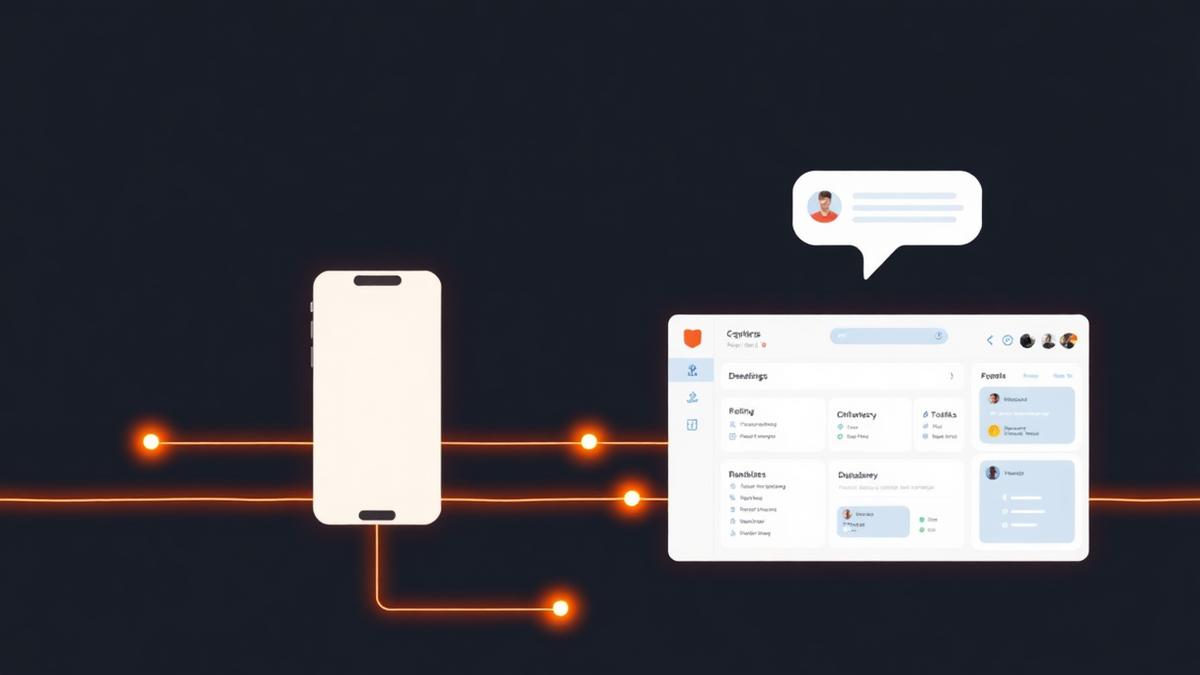
Pest control operators in Indiana frequently assemble a patchwork of software tools to handle lead response, appointment booking, and customer communications. Adding an independent website chat widget alongside a separate call answering tool and an isolated SMS follow-up plugin results in disconnected data silos that frustrate office staff and misquote jobs. When an October frost triggers a sudden flood of rodent inquiries across Marion, Allen, and Vanderburgh counties, disconnected plugins fail to synchronize booking schedules or pull historic customer records. A homeowner calling about field mice in an unfinished basement ends up receiving automated SMS messages meant for spring subterranean termite treatments. The best AI for pest control in Indiana eliminates plugin sprawl by consolidating communication, dispatch logic, and customer management into a unified platform. Pest AI acts as an implementation partner, engineering a fully connected system where the phone layer, messaging channels, and PestCRM-the AI Sales System-work off a single operational dataset. This connected architecture ensures that customer details captured during a phone call immediately populate dispatch tickets and trigger relevant follow-up campaigns, preventing dropped leads during peak seasonal surges across the state.
- Elimination of disconnected web widgets, call bots, and SMS plugins
- Single operational dataset connecting calls, texts, and PestCRM
- Consistent customer records during high-volume weather events
Handling October basement rodent spikes and foundation intake
When the first major frost hits Indiana in late October or early November, mice and rats immediately seek heat inside residential structures. Calls spike dramatically across Indianapolis, Fort Wayne, South Bend, and Evansville as furnaces kick on and homeowners spot activity near mechanical rooms. Because older Indiana housing stock predominantly features full poured concrete or block basements, stone foundations, or tight crawlspaces, technician inspection times vary significantly compared to slab-on-grade homes. Generic call bots fail to ask critical foundation questions during this fall rush, leading to incorrectly estimated service windows and underpriced exclusion quotes. The best AI systems use intelligent call intake scripts that immediately identify foundation type, structural age, and active pest entry points before booking the inspection. By gathering whether the property in Greenwood, Avon, or Plainfield has an unfinished basement, finished living area below grade, or a dirt crawlspace, the AI system allows dispatchers to allocate appropriate time blocks for exclusion work. Furthermore, the system operates twenty-four hours a day, capturing high-intent leads at eight o'clock at night when furnace noise first drives mice into upper floors and panic sets in.
- 24/7 intake capturing late-night calls during the first furnace runs
- Specific qualification for poured basements, block walls, and crawlspaces
- Accurate technician time allocation based on structural inspection complexity
Managing short termite swarm windows and university turnover cycles
Eastern subterranean termites swarm during warm, humid afternoon showers between April and May across Indiana, creating a narrow multi-week opportunity that drives a massive portion of annual termite revenue. In southwestern markets like Evansville along the Ohio River Valley, swarms strike earlier than in northern cities like Mishawaka or Elkhart. Simultaneously, university communities in Bloomington around Indiana University and West Lafayette near Purdue University face intense August turnover periods where thousands of student apartments rotate within a tight two-week window. During both peaks, unanswered phone calls mean lost revenue to local competitors. A single missed call during a termite swarm can cost thousands in lost treatment contracts. AI systems solve this bottleneck by managing high call volumes concurrently without dropping potential calls or forcing homeowners to voicemail. The system qualifies termite swarms by asking about shed wings, mud tubes, and damage location, while simultaneously handling property manager bulk requests for bed bug and cockroach turnover inspections in college towns. This instant responsiveness preserves high-margin opportunities when phone lines are overwhelmed. By processing complex scheduling constraints automatically, your team maintains route density along major connectors like I-65 and State Road 37 during peak operations.
- Concurrent call processing during compressed April and May termite swarms
- Property manager batch scheduling for August IU and Purdue lease turns
- Geographic qualification to prioritize high-margin treatment contracts
Supporting rapid suburban growth in the Indianapolis donut counties
Hamilton, Hendricks, Johnson, and Boone counties represent some of the fastest-growing suburban submarkets in the Midwest. Subdivisions expanding rapidly across Carmel, Fishers, Westfield, Noblesville, Greenwood, Avon, and Plainfield produce a continuous influx of new homeowners who need recurring pest protection plans. These developments create distinct operational demands: tracking builder pretreatment records, identifying warranty handoffs, and converting first-time buyers into quarterly recurring service contracts. An off-the-shelf software plugin cannot manage these multi-step customer journeys. The best AI approach combines real-time digital intake with targeted offline messaging through PestMail-our DIRECT MAIL platform-to reach newly deeded properties before competitors do. When a new homeowner calls or messages after seeing soil disruption or carpenter ant activity near recent construction, the AI Sales System immediately references local neighborhood data to provide accurate quotes and schedule initial perimeter treatments. This connected workflow bridges digital acquisition and physical mailers, giving Indiana operators a reliable pipeline across rapidly developing suburban rings surrounding I-465. By capturing these accounts early, operators build dense, long-term recurring routes across entire new neighborhoods before traditional marketing methods even register the change in occupancy.
- Direct integration between digital channels and PestMail DIRECT MAIL
- Pretreatment record tracking for new subdivision home handoffs
- Fast conversion of new suburban homeowners into quarterly recurring plans
Implementation partnership versus do-it-yourself software tools
Choosing the best AI for pest control in Indiana comes down to the difference between buying self-service software and working with an implementation partner. DIY software tools require pest control operators to write their own decision trees, configure complex API webhooks, and constantly troubleshoot failed integrations between phone systems and field service tools. When field conditions shift-such as an unseasonably warm March accelerating ant swarms in Terre Haute or heavy summer rain driving mosquito calls in Fort Wayne-static software configurations break down. Pest AI operates as an implementation partner. We build, test, and maintain the phone, messaging, and CRM layer specifically for your company's service areas, technician preferences, and pricing models. Instead of forcing your office team to manage software settings, our team optimizes the AI systems continuously based on real performance data across Indiana routes. This hands-on approach ensures your intake scripts accurately differentiate between a crawlspace inspection in Columbus and a commercial routine service in Hammond. By letting an implementation partner manage system architecture, Indiana operators keep their focus where it belongs: delivering outstanding service, managing field technicians, and expanding route profitability.
- Fully managed implementation instead of self-service software configuration
- Custom phone, messaging, and CRM architecture built for Indiana routes
- Continuous optimization based on regional pest swarms and weather shifts
Signals to check in your own Indiana numbers
- Inbound call answer rate after 6:00 PM during the late October furnace kick-off rodent spike
- Percentage of foundation type (basement, crawlspace, slab) accurately recorded during initial intake
- Conversion rate of spring subterranean termite phone inquiries into completed property inspections
- Customer response rate to PestMail DIRECT MAIL campaigns targeting newly built Hamilton County subdivisions
- Route density and completion rates in Bloomington and West Lafayette during August university turns
Where this leads
For most Indiana operators this decision points at the AI Sales System. We are an implementation partner, not a DIY platform, we build the AI systems around how your state actually behaves, hand them over documented, and your team runs them. The national version of this question, without the state specifics, is covered in our AI guide.
Indiana questions we get asked
More Indiana guides
- Should you use AIShould I use AI in my Indiana pest control business?
- Will customers talk to AIWill pest control customers in Indiana talk to AI?
- Speed to leadHow can Indiana pest control companies win with speed-to-lead?
- Best software stackWhat is the best pest control software for Indiana operators?
- Local marketingHow should pest control companies in Indiana market themselves locally?
- Reviews & reputationHow can Indiana pest control companies get more reviews and protect their reputation?
- Seasonal playbookWhat is the seasonal pest control playbook for Indiana?
- Commercial AIHow does AI help commercial pest control accounts in Indiana?
- Hiring vs AIShould Indiana pest control operators hire office staff or use AI?
Want a straight read on your own Indiana numbers? A discovery call is a conversation, not a demo, and we will tell you if you are better off waiting.
Book a Discovery Call