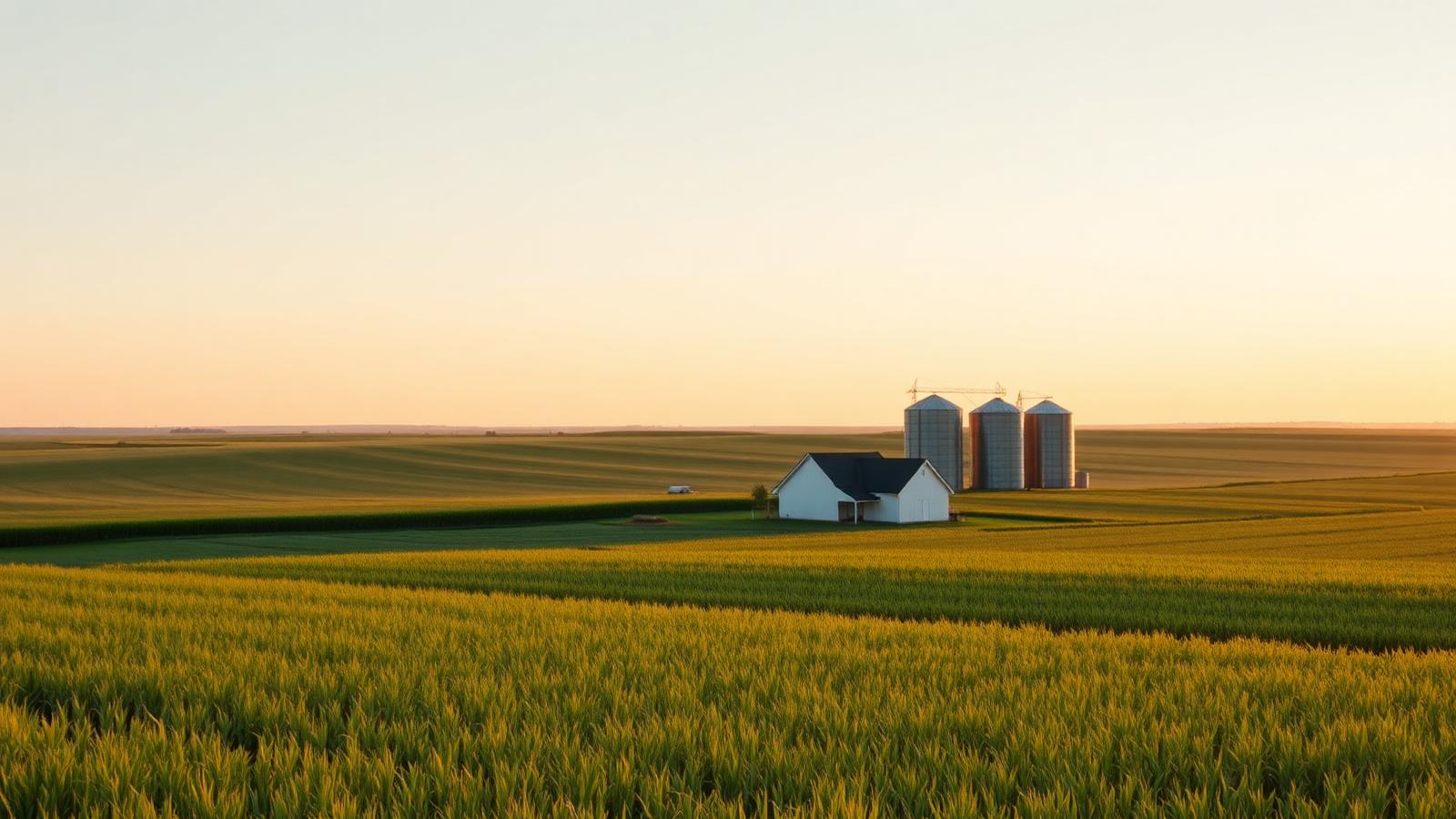
Grain, livestock, and small towns spread across long routes, with a growing Des Moines metro in the middle. We build the phone, messaging, and CRM layer that keeps Iowa crews dense and booked.
Typical Iowa implementation goes live in about 30-90 days.
Calls answered and booked
24/7Calls answered and booked
Software integrations available
1,000+Software integrations available
Bilingual intake by default
EN + ESBilingual intake by default
Typical time to live
30-90 daysTypical time to live
Iowa pest control demand is anchored by the Des Moines metro: West Des Moines, Ankeny, Urbandale, Waukee, Johnston, and Altoona, where sustained suburban construction produces first-time pest customers every year. The Cedar Rapids and Iowa City corridor combines manufacturing, healthcare, and a university rental cycle; the Quad Cities reach across the Mississippi; Davenport, Bettendorf, Waterloo, Cedar Falls, Dubuque, Sioux City, Council Bluffs, and Ames each anchor their own trade areas. Outside those, service means driving between small towns and farm-edge properties. Grain and livestock proximity, fall invader waves, and long rural routes shape scheduling more than anything else here, so we build territory rules and campaigns around drive time and season.
What makes an Iowa operation different
Iowa work is dense in a handful of metros and thin everywhere else. The operators who grow here protect route density, capture harvest-season rodent volume, and never let a rural call go to voicemail.
Harvest pushes rodents toward every structure
As fields are cut in the fall, mice and rats displaced from crop cover move into farm-edge homes, outbuildings, and small-town housing across Iowa, creating a predictable annual surge that starts with the combines.
Grain and livestock proximity changes the job
Properties near grain bins, feed storage, and livestock operations carry sustained pressure and different treatment considerations than a suburban home, so intake has to identify the setting before a price is quoted.
Routes are long and density is fragile
Serving small towns across a county means drive time dominates the day. Offering the wrong appointment window to a rural caller can turn a profitable route into an unprofitable one.
Fall invaders arrive across the whole state at once
Asian lady beetles, boxelder bugs, and cluster flies congregate on sun-warmed farmhouse and suburban walls during the first mild autumn days, producing a short, intense call surge statewide.
The Des Moines ring keeps producing first-time buyers
Ankeny, Waukee, Grimes, and Urbandale continue adding subdivisions full of homeowners who have never hired a pest company, which rewards operators who reach them before the first sighting rather than after.
University turnover concentrates in two cities
Iowa City and Ames move a large share of their rental housing in short late-summer windows, producing a compressed wave of turnover inspections, bed bug work, and property manager coordination.
The systems we build around an Iowa operation
We are an implementation partner, not another dashboard for your CSRs to learn. Here is what gets built, and why each piece pays here.
Rural calls answered live instead of returned tomorrow
Voice AI answers unlimited simultaneous calls at any hour, qualifies whether the property is suburban, acreage, or farm-adjacent, quotes from your price book, and books into the correct territory day so the route stays tight.
Property managers and acreage owners handled by text
Messaging AI runs SMS, email, webchat, and social in one thread, so an Iowa City property manager sending a turnover list or an acreage owner scheduling around chores gets a confirmed window without phone tag.
Harvest-season rodent campaigns that run themselves
The AI Sales System keeps every past customer and lapsed account in one pipeline with automated seasonal offers, so exclusion work is being sold as the combines roll rather than after the mice are already inside.
PestMail reads your route data and mails the households around every stop, which in Iowa means adding customers in the towns and subdivisions you already drive instead of stretching a truck another twenty miles.
What is the best pest control setup for rodent calls in Iowa?
Iowa rodent calls are best sold as an inspection, exclusion, and monitoring program timed to harvest rather than a single bait visit, because mice and rats displaced when fields are cut press into farm-edge homes, outbuildings, and small-town housing every autumn and will keep returning to the same entry points. Intake should capture whether the property is suburban, acreage, or near grain or livestock storage.
Ask about grain bins, outbuildings, and livestock proximity at intake.
Sell sealing and monitoring, not a one-time bait placement.
Launch the seasonal campaign as harvest starts, not after the calls come.
Fall invaders
What is the best pest control setup for fall invader calls in Iowa?
Iowa fall invader calls: Asian lady beetles, boxelder bugs, and cluster flies, should be prevented with a pre-sold exterior perimeter service applied before the insects congregate, because once they are in wall voids and attics they emerge indoors for weeks and interior treatment produces poor results. Intake should note the sun-exposed side of the structure and any history of the same problem.
Pre-sell perimeter service to last year’s callers in late summer.
Ask about prior-year history, farmhouses repeat annually.
Set expectations at intake about interior treatment limits.
Acreage and farm-edge homes
What is the best pest control setup for acreage properties in Iowa?
Acreage and farm-edge properties in Iowa need intake that captures outbuildings, grain or feed storage, and livestock presence before a price is quoted, because those structures dramatically change inspection time, product selection, and the realistic outcome a customer should expect. Quoting an acreage from a suburban price book is the fastest way to lose money on a route that already carries long drive time.
Capture outbuilding count and feed storage before quoting.
Price acreage work separately from suburban service.
Batch acreage stops into a single territory day.
Student housing turnover
What is the best pest control setup for turnover work in Iowa City and Ames?
Turnover work in Iowa City and Ames should be scored at intake for unit count and the hard move-in deadline, because a large share of rental housing changes hands in a two-week window and a missed date creates a habitability problem for the manager. The systems should track requests at the unit level, text prep instructions automatically, and book the verification visit with the first treatment.
Qualify unit count and move-in deadline at intake.
Track multi-unit requests at the unit level in one thread.
Book the verification visit alongside the first treatment.
Wasps and stinging insects
What is the best pest control setup for wasp calls in Iowa?
Iowa stinging insect calls peak in late summer around barns, decks, and eaves and should be triaged at intake for urgency with same-day or next-day service offered, because a nest at a doorway or over a livestock area is a safety issue and the caller books with whoever answers first. Capture nest location, height, and any known allergy so the technician arrives properly equipped.
Escalate allergy and entryway-nest calls to same-day priority.
Capture nest height, structure type, and access before dispatch.
Offer season-long coverage to convert one-time calls to programs.
New-construction homes
What is the best pest control setup for new-construction calls in the Des Moines metro?
New-construction pest calls across Ankeny, Waukee, Grimes, and Urbandale are best handled by confirming any builder pretreatment at intake and routing the caller into a first-service fast lane, because a first-time homeowner’s first sighting decides whether they become a recurring account or a one-time ticket. Capturing builder and community name lets you build route density deliberately.
Confirm whether a builder pretreatment was performed and by whom.
Capture builder and community name for route planning.
Mail surrounding new-build streets after each signed stop.
Rural routing
How should an Iowa company schedule across long rural routes?
Iowa companies serving multiple counties should let route geography drive the appointment windows offered to callers rather than first-available slots, because a single out-of-territory booking can consume an hour of drive time in each direction and erase the day’s margin. Day-of-week territory blocks per town or county cluster, with deliberate exceptions for emergencies, keep density intact.
Hold day-of-week territory blocks by town or county cluster.
Offer callers the window that matches their area’s service day.
Break the pattern only for true emergencies and commercial escalations.
Every one of these is a configuration decision, not a feature you have to build. We set the intake, routing, and follow-up up for your Iowa branches.
The full Iowa playbook in one printable PDF, seasonality, intake, routing, and the systems we build for operators here. Share it with your office team.
What makes running a Iowa pest control operation different
Intake and routing setups for the calls that actually pay
Answers to the questions operators ask before they automate
Links to every Iowa city guide we publish
Loading the Iowa guide form
Iowa AI guides
State-level guides written for the climate, pest pressure, and business patterns across Iowa.
We work with companies across the Des Moines metro, the eastern corridor, and rural Iowa.
Des Moines & Polk County
West Des Moines, Waukee & Dallas County
Ankeny & the North Metro
Cedar Rapids & Linn County
Iowa City & Coralville
Davenport, Bettendorf & the Quad Cities
Waterloo & Cedar Falls
Ames & Story County
Dubuque & the Northeast
Sioux City & the Northwest
Council Bluffs & Southwest Iowa
Connected to the software you already run
We have a deep, purpose-built FieldRoutes integration, and over 1,000 API connections available for everything else, so your Iowa operation keeps one source of truth instead of four.
All third-party product names, logos, and brands are property of their respective owners. Use of these names does not imply endorsement or affiliation.
Iowa pest control software questions
Written and reviewed by the Pest AI team · Last reviewed