
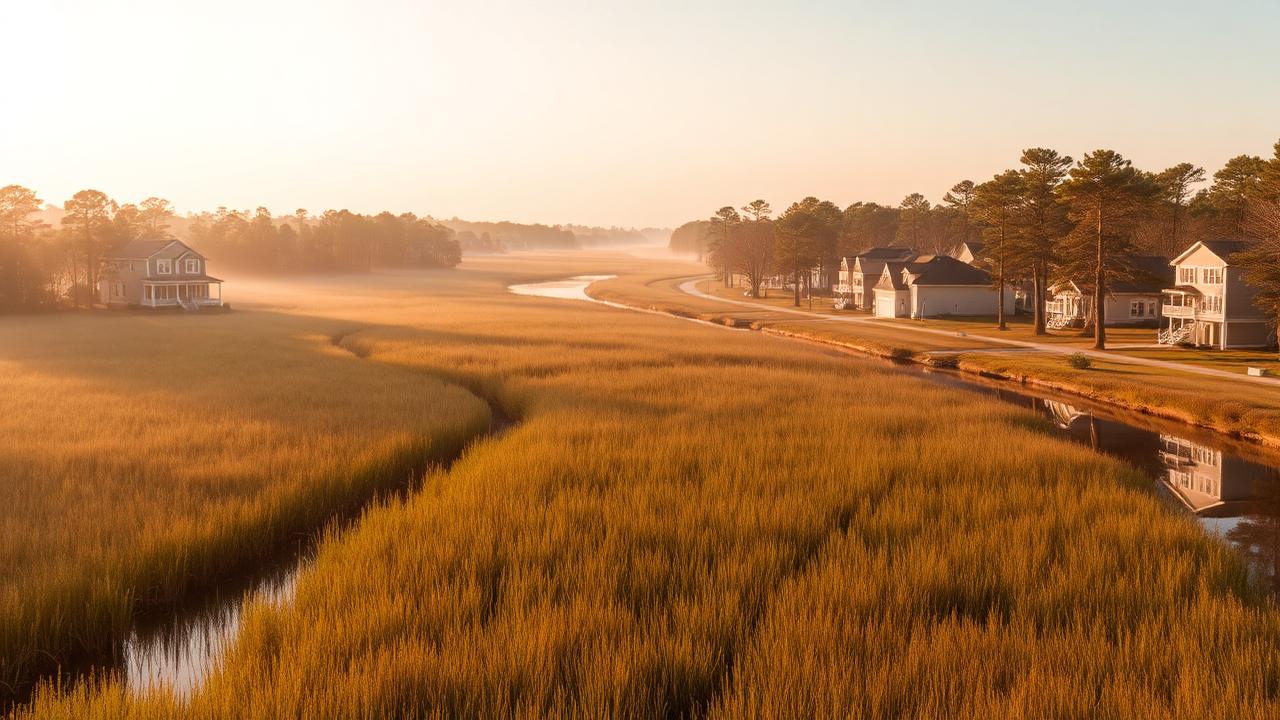
Chesapeake canal-front neighborhood near wetland tree line
    Chesapeake, Virginia

    Pest Control Software Built for Chesapeake Operators

    The Great Dismal Swamp on one side, new subdivisions pushing south of the Suffolk line on the other, and canal-front homes that flood every hurricane season. We build AI systems that catch every one of those calls and turn them into scheduled stops.

    Typical Chesapeake implementation goes live in about 30-90 days.

    Live answering, nights and weekends
    24/7Live answering, nights and weekends
    Simultaneous calls handled
    UnlimitedSimultaneous calls handled
    Conversations end to end
    EN + ESConversations end to end
    API connections available
    1,000+API connections available

    Why Chesapeake is a distinct market

    Chesapeake stretches from dense canal-front neighborhoods to the edge of the Great Dismal Swamp, and that range shapes the calls that come in.

    The Great Dismal Swamp keeps moisture pressure high

    Homes bordering the swamp and its drainage canals in southern Chesapeake deal with near-constant ground moisture, which feeds carpenter ant colonies and eastern subterranean termite activity well beyond what a typical suburban lot sees.

    Canal-front and Great Bridge flooding drives urgent rodent calls

    Homes along the Elizabeth River canals and in Great Bridge flood repeatedly during hurricane season and heavy nor'easters, pushing rodents out of drainage culverts and into garages and crawlspaces almost immediately after the water rises.

    New-construction growth outpaces the rest of Hampton Roads

    South Chesapeake and the areas near the Suffolk line keep adding subdivisions faster than Norfolk or Virginia Beach, generating a steady stream of new-build pretreats and first-time buyers who need a real sales conversation, not just a scheduling script.

    Formosan termite pressure is a growing concern

    Formosan subterranean termites have been documented spreading through parts of coastal Virginia, and Chesapeake's humid, wooded lots create ideal conditions, making early identification calls higher-stakes than a typical eastern subterranean inquiry.

    Licensing and treatment rules run through VDACS

    Operating legally in Chesapeake requires a Virginia Department of Agriculture and Consumer Services pesticide business license, and swamp-adjacent properties sometimes carry additional wetland-buffer treatment considerations homeowners ask about upfront.

    What we build for you

    What that means for your phones and your proposals

    We build the AI around your Chesapeake operation, then hand you the keys.

    Catch the storm-aftermath rodent surge immediately

    Voice AI answers instantly after a flood event along the canals or in Great Bridge, capturing entry points and booking exclusion work before homeowners call a second company.

    See Live Chat AI

    Reach new-build buyers before they pick a competitor

    PestMail's nearest-neighbor postcards work especially well in the uniform new subdivisions spreading south of the Suffolk line, putting your name in front of first-time pest-service buyers early.

    See PestMail

    Keep swamp-edge termite proposals from stalling

    The AI Sales System tracks every termite and moisture inspection tied to swamp-adjacent properties with automated follow-up until the homeowner decides.

    See the AI Sales System

    Scale coverage as the service map keeps expanding south

    Implementation is configured around your actual Chesapeake footprint, so growth into new subdivisions does not outrun your intake capacity.

    See Implementation

    Want to see what this looks like against your own Chesapeake call volume? We will walk through it on a 30-minute call.

    Book a Discovery Call

    Operators across the Chesapeake area

    Service areas, flood zones, and swamp-buffer properties are configured during onboarding.

    • Chesapeake
    • Great Bridge
    • South Norfolk
    • Deep Creek
    • Hickory
    • Western Branch
    • Greenbrier

    Connected to the software you already run

    We have a deep, purpose-built FieldRoutes integration, and over 1,000 API connections available for everything else, so your Chesapeake operation keeps one source of truth instead of four.

    All third-party product names, logos, and brands are property of their respective owners. Use of these names does not imply endorsement or affiliation.

    What AI adoption looks like in Chesapeake

    Chesapeake is really two markets in one city: swamp-edge properties dealing with chronic moisture pressure and brand-new subdivisions where homeowners have never dealt with a pest service before. The AI has to handle both an experienced caller who knows exactly what they are seeing and a first-time buyer who needs it explained.

    • Great Dismal Swamp-adjacent properties generate recurring, moisture-driven termite and ant inquiries
    • Canal-front flooding produces event-driven rodent call spikes after storms
    • Rapid new-subdivision growth south of the Suffolk line brings in first-time pest-service buyers
    • Emerging Formosan termite activity means some swarm calls need faster routing than routine inquiries

    Deciding whether AI is right for your business at all is a separate question from which market you are in. We answer it honestly, including when the answer is not yet, in our AI decision guides, starting with should I use AI in my pest control business.

    Chesapeake's pest calendar: swamp moisture and storm season

    Chesapeake's calendar runs on two tracks: the slow, constant moisture pressure near the Great Dismal Swamp and the sharp, storm-driven spikes along the canals and in Great Bridge.

    January - February

    Cold weather pushes rodents toward canal-front garages in Great Bridge and South Norfolk, while swamp-adjacent homes in Deep Creek keep reporting carpenter ant activity in damp crawl spaces even through winter.

    March - April

    Termite swarms begin early on swamp-edge lots where ground moisture never fully dries out, giving Deep Creek and Hickory the metro's first swarm calls of the year.

    May - June

    New-construction subdivisions south of the Suffolk line generate a steady stream of pretreat requests as builders race to finish foundations ahead of summer closings.

    July - August

    Hurricane season begins raising the odds of canal flooding, and mosquito complaints climb around standing water in drainage ditches bordering the swamp.

    September - October

    Tropical storms and nor'easters push canal water into Great Bridge and South Norfolk garages, triggering the year's sharpest rodent-call spike within days of any flood event.

    November - December

    Cooling temperatures send rodents solidly indoors across both the swamp-edge and new-subdivision sides of the city, while Formosan termite swarm reports occasionally appear later into fall than eastern subterranean activity typically allows.

    Running routes between the swamp edge and the new-build frontier

    Chesapeake stretches from dense canal neighborhoods near Norfolk to fast-growing subdivisions at the Suffolk line, so a single day's route can cover very different terrain and housing ages.

    Battlefield Boulevard and Route 168 anchor north-south travel

    Most routes crossing the city rely on one of these two corridors, so dispatch avoids scheduling Great Bridge and southern new-construction stops back to back during peak commute hours.

    Canal-front streets can flood with little warning during storm season

    Low-lying roads near the Elizabeth River canals sometimes close after heavy rain, so technicians keep an alternate route ready to reach Great Bridge and South Norfolk stops when water is up.

    Swamp-adjacent properties in Deep Creek require confirming soft-ground access

    Some lots bordering the Great Dismal Swamp have unstable or seasonally wet ground near the foundation, so crews confirm equipment access before scheduling a full crawlspace treatment.

    New subdivisions near the Suffolk line add streets every few months

    Rapid growth south of the city means routing systems need frequent updates to keep newly built cul-de-sacs from falling outside a mapped service zone.

    Builder pretreat work runs on construction deadlines, not routine scheduling

    Termite pretreatment ahead of slab pour has to align with a builder's foundation schedule, so those appointments get booked with less flexibility than a standard homeowner visit.

    VDACS licensing requirements shape which technicians can perform treatment

    Structural pest work requires a Virginia Department of Agriculture and Consumer Services pesticide business license, so dispatch confirms a licensed technician is assigned to any termite or wetland-buffer job.

    Hurricane-season staffing shifts toward storm-response readiness

    When a storm is forecast to affect Hampton Roads, some operators pre-position technicians near Great Bridge and South Norfolk so post-flood rodent calls can be answered within a day rather than a week.

    Chesapeake pest control questions we get asked

    More reading for operators working Chesapeake, VA and the markets around it.

    Chesapeake AI guides

    Location-specific guides written for the pest pressure, routes, and customer behavior of this market.

    Chesapeake overview
    • Should you use AIShould I use AI in my Chesapeake pest control business?Coming soon.
    • Will customers talk to AIWill pest control customers in Chesapeake talk to AI?Coming soon.
    • Best AI for pest controlWhat is the best AI for pest control in Chesapeake?Coming soon.
    • Speed to leadHow can Chesapeake pest control companies win with speed-to-lead?Coming soon.
    • Best software stackWhat is the best pest control software for Chesapeake operators?Coming soon.
    • Local marketingHow should pest control companies in Chesapeake market themselves locally?Coming soon.
    • Reviews & reputationHow can Chesapeake pest control companies get more reviews and protect their reputation?Coming soon.
    • Seasonal playbookWhat is the seasonal pest control playbook for Chesapeake?Coming soon.
    • Commercial AIHow does AI help commercial pest control accounts in Chesapeake?Coming soon.
    • Hiring vs AIShould Chesapeake pest control operators hire office staff or use AI?Coming soon.
    Free 48 KB PDF

    Download the Chesapeake, VA Pest Control AI Playbook

    A short one-pager on the Chesapeake market, the systems we build for operators here, and how implementation runs, written to be printed and passed around.

    • A Chesapeake market snapshot, the pressure that drives your call volume
    • The AI systems we run for operators here, in plain language
    • What a 30-day implementation actually looks like
    • Printable, so you can hand it to your office team

    Last updated 2026-09-17

    Loading the Chesapeake playbook form

    Three ways to see it working in Chesapeake

    Book a demo

    A 30-minute walkthrough against your own Chesapeake call volume.

    Book a Discovery Call

    Start a chat

    Try the messaging AI that answers texts, webchat, and social for pest control teams.

    Start a Chat

    Start free with PestGPT

    Use our free pest control AI assistant today, no contract, no setup call.

    Try PestGPT Free
    Final step

    Let's look at your Chesapeake numbers

    Bring a month of after-hours calls and your builder pretreat backlog. We will show you what is falling through.

    • A real review of your intake, not a canned demo
    • 30 minutes, and a typical implementation runs about 30-90 days
    • No contract to talk. We never share your details.

    Request your Chesapeake walkthrough

    Prefer to pick a time yourself? Book a Discovery Call