
Fishing season multiplies occupancy and food waste
From June through August, lodges, RV parks and rental cabins along the Kenai River run full, and fish waste plus constant turnover means rodent and fly work stacks up fast.
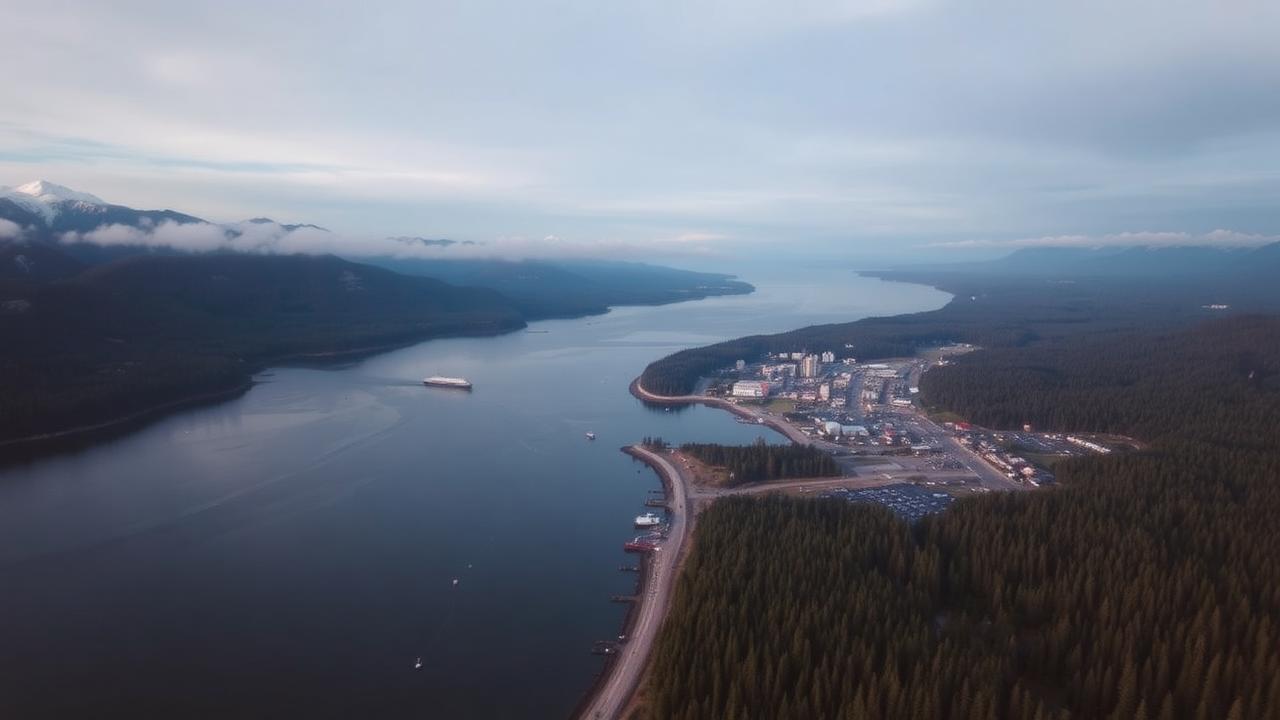
A summer where the population swells with anglers and seasonal workers, hundreds of cabins and short-term rentals that need turnover service, and winters that push rodents into every heated structure on the peninsula. Our AI systems keep the phones answered while your techs cover the highway.
Typical Kenai implementation goes live in about 30-90 days.
The peninsula runs on a short, intense summer economy, and pest demand follows the same curve.
From June through August, lodges, RV parks and rental cabins along the Kenai River run full, and fish waste plus constant turnover means rodent and fly work stacks up fast.
Property managers want an inspection or treatment between bookings, which is usually a same-week window that only works if intake captures it correctly.
Once the peninsula freezes, voles and mice work their way into garages, shops and cabin crawl spaces, keeping the phones going through the off-season.
Kenai, Soldotna, Nikiski and Sterling are spread along the highway, so an unplanned extra trip can eat an hour of daylight in either direction.
The mouth of the Kenai River draws huge crowds for personal-use dipnetting in July, and the food waste and camping density that comes with it produces a predictable wasp and yellowjacket surge around the beach access roads.
We configure around a market with a violently seasonal call curve and a lot of property-manager traffic.
Voice AI answers every lodge, rental and homeowner call through the peak weeks and captures the details your dispatcher needs.
See Voice AIMessaging AI confirms between-booking windows and access details by text, which is how most cabin managers prefer to work.
See Messaging AIThe AI Sales System follows up with summer customers in the fall to convert one-time jobs into year-round plans.
See the AI Sales SystemWant to see what this looks like against your own Kenai call volume? We will walk through it on a 30-minute call.
Book a Discovery CallService areas from Kenai and Soldotna out toward Nikiski and Sterling are configured during onboarding.
We have a deep, purpose-built FieldRoutes integration, and over 1,000 API connections available for everything else, so your Kenai operation keeps one source of truth instead of four.
All third-party product names, logos, and brands are property of their respective owners. Use of these names does not imply endorsement or affiliation.
Peninsula operators run lean crews against a summer that triples the workload and a winter that never fully stops. AI intake smooths that curve, letting one office cover peak weeks without seasonal hiring.
Deciding whether AI is right for your business at all is a separate question from which market you are in. We answer it honestly, including when the answer is not yet, in our AI decision guides, starting with should I use AI in my pest control business.
A subarctic climate with a short, intense tourist season shapes a pest calendar that looks nothing like the Lower 48. Most of the year is quiet; a handful of weeks carry most of the volume.
As snow clears and the ground thaws, voles and mice that spent winter in outbuildings and crawl spaces near Soldotna and Sterling become more visible as they move back outdoors, generating a wave of exclusion and cleanup calls. Lodges and rental cabins along the river begin opening for the season, prompting pre-season inspection requests ahead of the first bookings.
Occupancy along the Kenai River corridor climbs fast as the king salmon run draws anglers, and rental cabin turnover accelerates into a near-daily cycle in the busiest stretches near Soldotna. Ants become active in cabins and lodges as warmer temperatures arrive, and property managers start requesting standing pest agreements to cover the summer rather than one-off visits.
The personal-use dipnetting fishery at the mouth of the Kenai River in Kenai draws thousands of visitors in a compressed window, and the resulting food waste and camping density produces a sharp spike in wasp and yellowjacket calls near the beach access roads and city campgrounds. This is one of the most concentrated, predictable pest events on the peninsula's calendar.
Fishing pressure remains high through the silver salmon run, keeping lodges and RV parks at capacity and rodent and fly calls steady as food waste accumulates faster than it can always be managed. Property managers juggling back-to-back cabin bookings request tighter turnaround windows for pest checks between guests during this stretch.
As the tourist season winds down, seasonal workers leave and rental turnover slows sharply, shifting call volume back toward year-round residents. Voles and shrews begin moving toward structures as the peninsula's brush and grasslands cool, and the first heavy rains of fall drive some ant and spider activity indoors in Kenai and Nikiski homes.
Deep cold pushes rodents aggressively into any heated space they can find, and shops, garages and cabin crawl spaces across Nikiski, Sterling and Kasilof see the season's steadiest call volume. Many property owners who are away for the winter rely on caretakers to report problems, which means a delayed report is common and jobs discovered in late winter are often more advanced than a typical fall call.
The peninsula is served by two highways and a handful of connecting roads, so a mis-scheduled stop does not just cost a few minutes, it can cost an entire afternoon of daylight during the shoulder seasons when light is already short.
Kenai and Soldotna sit close enough together along the Kenai Spur Highway and the Sterling Highway junction that most techs can run several stops back-to-back without a major gap, which makes this corridor the anchor for building an efficient day rather than an afterthought.
K-Beach Road connects Kenai and Soldotna on the south side of the river past a mix of subdivisions, small farms and river-access properties, and its lower speed limit and residential driveways mean a route built around it needs more time per stop than the same mileage on the Spur Highway.
Getting out to Sterling or beyond toward Cooper Landing means committing thirty to forty-five minutes of one-way driving on the Sterling Highway, so a single job out that direction is only worth the trip when it is grouped with at least one or two other stops along the same stretch.
Seafood processing plants near the Kenai waterfront and fishing lodges along the river operate on shift schedules and guest checkout times that do not match a typical residential appointment window, so these commercial accounts need to be flagged at intake and scheduled around their operating hours rather than fit into a normal route slot.
Nikiski sits north of Kenai along a stretch of highway with light traffic but real distance, and industrial and residential customers out there are best served by batching two or three jobs into one trip rather than making a separate run for each call that comes in.
Once snow and ice set in, service is effectively limited to the Sterling Highway, the Kenai Spur Highway and the roads the borough keeps plowed first, and gravel side roads toward Kasilof or the more remote parts of Sterling can become impassable or simply not worth the risk until conditions improve.
Daylight on the peninsula drops to a few hours around the winter solstice, which means a crew has a genuinely short window to complete stops safely, and any job that requires a long highway leg has to be scheduled early in the day before light fails.
Many river-corridor cabins sit vacant through the winter, and getting a truck to the door depends on whether a caretaker has plowed the driveway, so confirming access status before dispatch avoids a wasted trip out toward Kasilof or the more remote stretches of K-Beach Road.
During spring breakup, thawing ground can leave gravel roads and some driveways soft or rutted well after the highways themselves are clear, so routes into older subdivisions off the Spur Highway sometimes need a short delay even after the main roads look fine.
More reading for operators working Kenai, AK and the markets around it.
Location-specific guides written for the pest pressure, routes, and customer behavior of this market.
A short one-pager on the Kenai market, the systems we build for operators here, and how implementation runs, written to be printed and passed around.
Last updated 2026-09-17
Try the messaging AI that answers texts, webchat, and social for pest control teams.
Start a ChatUse our free pest control AI assistant today, no contract, no setup call.
Try PestGPT FreePull last July's call log. We'll show you how many peak-season calls went unanswered while your crews were on the river road.
The Alaska guide covers statewide pest pressure, licensing and call patterns, and links every Alaska city guide we publish, including this one.