
Relentless rain keeps wood damp and pests active
Carpenter ants, moisture-loving beetles and rot-related callbacks are routine in structures that rarely dry out, including the historic buildings and boardwalks along the channel.
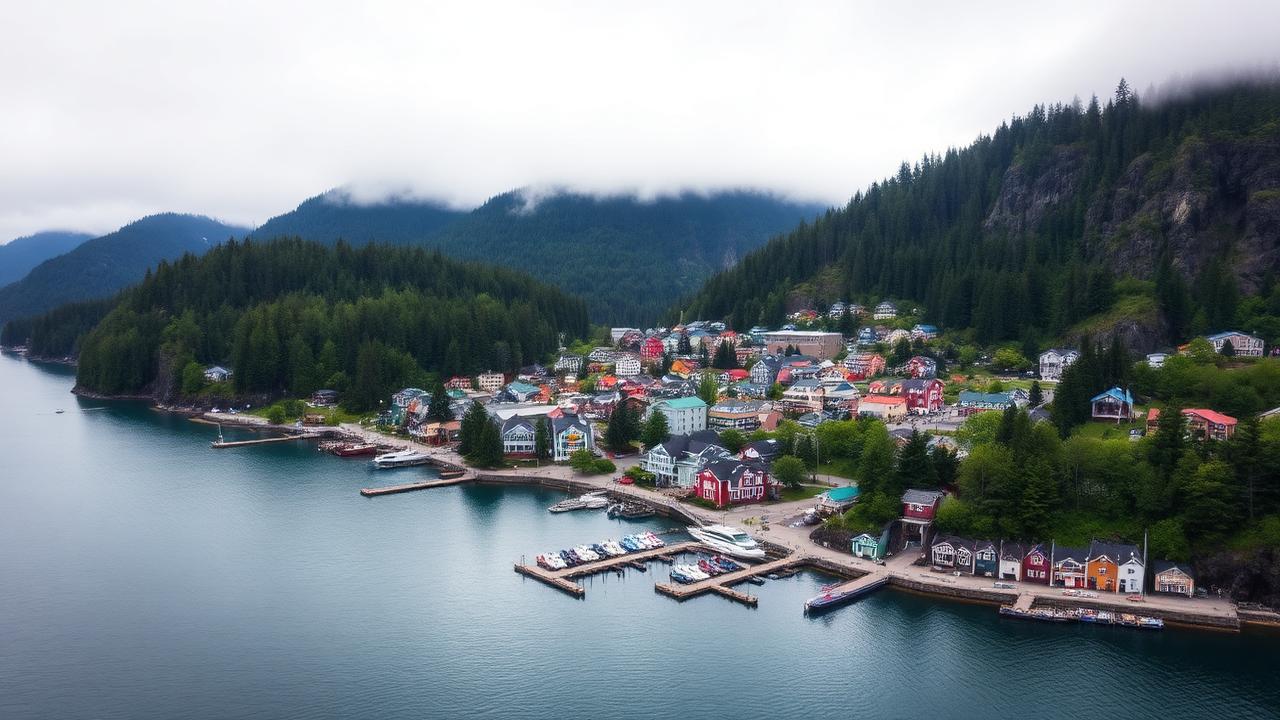
More than 140 inches of rain a year, wooden structures built out over the water, and a summer where cruise ships put thousands of visitors downtown every day. Our AI systems keep intake covered while your crew works the island.
Typical Ketchikan implementation goes live in about 30-90 days.
Few places in the country stay as consistently wet, and that shapes both the pest pressure and the structures you inspect.
Carpenter ants, moisture-loving beetles and rot-related callbacks are routine in structures that rarely dry out, including the historic buildings and boardwalks along the channel.
Downtown restaurants, gift shops and tour operators need immediate rodent and fly service between May and September, and every day of the season counts.
Everything arrives by barge or air, so a job that needs a return trip for materials can slip a week rather than a day.
Ketchikan stretches for miles along a single road from the airport ferry to Saxman and beyond, so mis-sequenced stops cost real time.
Homes and businesses built on pilings over Tongass Narrows or accessed by float have gaps and moisture points at the waterline that standard exclusion checklists do not cover, so techs need training specific to over-water construction.
We configure around a wet, seasonal, logistics-constrained market where a missed call goes to the only other company in town.
Voice AI answers instantly during the summer rush and flags commercial urgency so a restaurant issue gets triaged ahead of routine work.
See Voice AIMessaging AI confirms structure type, access and problem details in advance so a tech shows up with the right materials the first time.
See Messaging AIThe AI Sales System works your commercial list in early spring so recurring service starts before the first ships arrive.
See the AI Sales SystemWant to see what this looks like against your own Ketchikan call volume? We will walk through it on a 30-minute call.
Book a Discovery CallService areas from downtown out to Saxman and the north end are configured during onboarding.
We have a deep, purpose-built FieldRoutes integration, and over 1,000 API connections available for everything else, so your Ketchikan operation keeps one source of truth instead of four.
All third-party product names, logos, and brands are property of their respective owners. Use of these names does not imply endorsement or affiliation.
Ketchikan operators work in one of the wettest towns in the country with a short, intense commercial season and slow resupply. AI intake keeps every call captured and detailed, which is what prevents wasted trips in a market where trips are expensive.
Deciding whether AI is right for your business at all is a separate question from which market you are in. We answer it honestly, including when the answer is not yet, in our AI decision guides, starting with should I use AI in my pest control business.
A temperate rainforest climate without a real dry season means Ketchikan's pest calendar is shaped more by the cruise ship schedule and daylight hours than by temperature swings.
As daylight returns, carpenter ant colonies that overwintered in damp structural wood along the waterfront and in older downtown buildings become active again, often revealed by the faint rustling sound residents report from inside walls. Businesses along Front Street and Creek Street begin pre-season inspections ahead of the first cruise arrivals in late April.
The first cruise ships of the season bring a sharp jump in downtown foot traffic and food service volume, and rodent and fly calls from restaurants and gift shops along the waterfront rise accordingly. Carpenter ant swarms become more visible as colonies mature, particularly in older pilings and float-supported structures where consistent moisture never lets the wood fully dry.
Peak cruise season keeps downtown commercial demand at its highest, and every rodent sighting or fly complaint at a restaurant or tour operator is treated as urgent given the volume of visitors passing through daily. Residential moisture-pest calls continue at a steady background rate, since Ketchikan's rain does not meaningfully let up even at the height of summer.
The cruise season winds down through September, and commercial call volume tapers as ships become less frequent, but rainfall increases into the fall storm season, keeping carpenter ant and moisture-pest calls steady across both downtown and residential neighborhoods like the West End and Mountain Point.
Ketchikan's wet, mild winters do not produce the hard freeze that stops pest activity in most of the Lower 48, so carpenter ants and moisture-loving pests remain a slow, steady presence through the darkest months, mostly reported as new sightings in structures during winter maintenance and remodeling work.
From roughly early May through late September, downtown Ketchikan operates on a different clock entirely, where a rodent sighting reported by a tour operator or restaurant carries reputational stakes tied to thousands of daily visitors, and same-day response during this window matters more than at almost any other small-town commercial account in the country.
Ketchikan has no road connection to the rest of Alaska or the Lower 48, and its geography is a narrow strip of developed land squeezed between the water and the mountainside, which changes how routing and logistics work entirely.
The South Tongass and North Tongass highways run the length of the developed island, and a route that runs out of sequence, sending a truck to Saxman and back before continuing north toward Ward Cove, wastes real time on a road system with no shortcuts.
Everything that isn't in current stock arrives by barge or air cargo, so a job requiring a specific product not on the truck can mean a delay measured in days, not hours, and successful operators keep buffer stock precisely because of this.
A commercial call from a Front Street restaurant during ship season needs to be worked into the day's route immediately rather than added to next week's schedule, since a delayed response during peak tourist traffic carries outsized reputational risk for that business.
Properties accessed by dock or float rather than a driveway take longer to reach and often require different equipment for waterline and piling inspection, and scheduling them with the same time window as a standard road-accessible home understaffs the job.
Southeast Alaska's storm systems can ground float planes and delay ferries serving outlying parts of the borough, so any job requiring transport beyond the main road system needs a flexible backup date built in from the start.
Saxman and other communities at the edges of the borough are far enough from downtown that a single stop rarely justifies the drive, so grouping multiple requests from the same area into one trip is the only way that work is efficient.
Structures along Creek Street and the historic waterfront often have decades of moisture damage and irregular construction from repeated additions, and a standard time window built for a modern build understaffs the inspection and treatment work these buildings actually need.
More reading for operators working Ketchikan, AK and the markets around it.
Location-specific guides written for the pest pressure, routes, and customer behavior of this market.
A short one-pager on the Ketchikan market, the systems we build for operators here, and how implementation runs, written to be printed and passed around.
Last updated 2026-09-17
Try the messaging AI that answers texts, webchat, and social for pest control teams.
Start a ChatUse our free pest control AI assistant today, no contract, no setup call.
Try PestGPT FreePull last June through August. We'll show you how many commercial calls hit voicemail during your busiest weeks.
The Alaska guide covers statewide pest pressure, licensing and call patterns, and links every Alaska city guide we publish, including this one.