
Bighorn foothills push rodents and spiders toward town
Homes built closest to the mountains, including neighborhoods near Kendrick Park, see mice, voles and spiders moving downhill as fall temperatures drop.
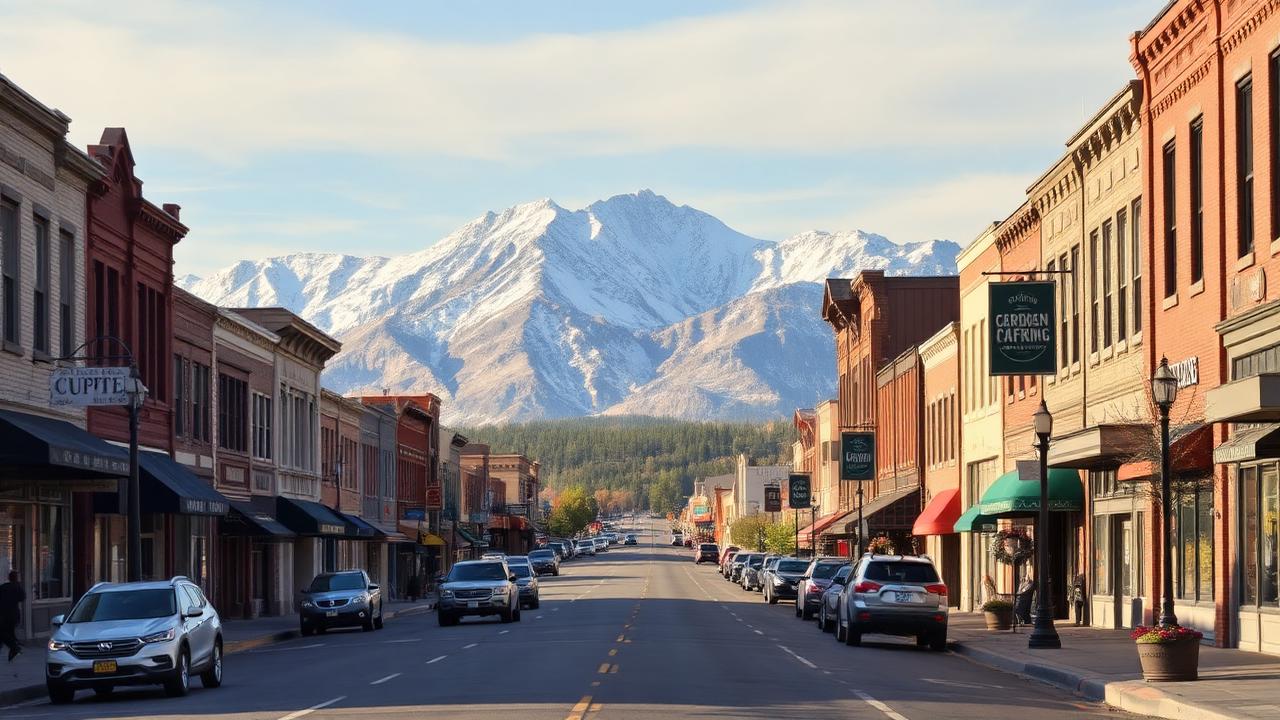
Sheridan sits at the base of the Bighorn Mountains, where rodents and spiders push down from the foothills as cold sets in early, surrounding ranch country brings steady agricultural-adjacent pest work, and long Wyoming winters keep rodent calls coming for months. Our AI systems keep the phones covered through Sheridan's demanding season.
Typical Sheridan implementation goes live in about 30-90 days.
A foothill town at the base of the Bighorn Mountains surrounded by ranch country sees steady rodent and seasonal pest demand.
Homes built closest to the mountains, including neighborhoods near Kendrick Park, see mice, voles and spiders moving downhill as fall temperatures drop.
Sheridan's location amid working ranches means barns, outbuildings and rural properties add a steady stream of pest control requests beyond in-town homes.
Sheridan County's harsh, extended winters keep rodent intrusion calls steady well past when milder markets would slow down.
Sheridan's well-preserved historic Main Street buildings have unique construction that requires experienced pest and rodent exclusion work.
We configure around foothill rodent pressure, ranch-country service requests, and a long winter call season.
Voice AI answers around the clock as rodents and spiders move down from the Bighorns toward Sheridan neighborhoods.
See Voice AIMessaging AI confirms scheduling for barns, outbuildings and rural properties surrounding Sheridan.
See Messaging AIThe AI Sales System follows up on estimates so Sheridan's long winter rodent demand converts into signed accounts.
See the AI Sales SystemWant to see what this looks like against your own Sheridan call volume? We will walk through it on a 30-minute call.
Book a Discovery CallService areas from Sheridan out through Big Horn and surrounding Sheridan County ranch country are configured during onboarding.
We have a deep, purpose-built FieldRoutes integration, and over 1,000 API connections available for everything else, so your Sheridan operation keeps one source of truth instead of four.
All third-party product names, logos, and brands are property of their respective owners. Use of these names does not imply endorsement or affiliation.
Sheridan operators work a foothill and ranch-country market where mountain-driven rodent pressure and long winters keep demand steady for months. AI intake keeps that demand covered.
Deciding whether AI is right for your business at all is a separate question from which market you are in. We answer it honestly, including when the answer is not yet, in our AI decision guides, starting with should I use AI in my pest control business.
Sheridan's calendar runs on elevation and agriculture as much as temperature, with the Bighorns setting the pace for rodent movement and surrounding ranches adding a steady undercurrent of demand. Winter arrives early and stays late compared to most Rocky Mountain foothill towns.
Snowmelt off the Bighorns saturates low-lying yards near Goose Creek, drawing sowbugs and ants into homes near Kendrick Park as the ground thaws unevenly. Voles that tunneled under snowpack all winter leave visible surface trails across lawns in neighborhoods closest to the foothills. Ranch properties outside town start reporting barn cluster fly activity as outbuildings warm faster than the pastures around them. Historic Main Street buildings see early carpenter ant activity in old wood framing as spring moisture seeps into foundations that have settled over a century.
Wasps and yellowjackets build nests quickly under eaves in Big Horn and Story's more rural properties, where wood siding and open barns give them abundant nesting sites. Spider activity picks up in foothill homes as webs collect around outdoor lighting through Sheridan's long summer evenings. Ranch country sees a steady stream of calls for barn and outbuilding pest work as haying season brings more people and equipment into contact with nests. Downtown's historic buildings see comparatively quiet summer months, with most calls limited to occasional ant trails along sidewalk foundations.
Cooling nights send mice and voles moving from the foothills toward town, and homes nearest Kendrick Park and the base of the Bighorns generate the year's heaviest exclusion requests. Cluster flies begin gathering on sun-warmed exterior walls of ranch outbuildings and older Sheridan homes alike, seeking gaps to overwinter. Ranchers request rodent control around grain storage before winter feeding season begins in earnest. Historic Main Street landlords request fall building sweeps ahead of the harsh winter that Sheridan County is known for.
Extended cold locks rodent activity indoors for months longer than milder markets, with foothill-adjacent homes near Big Horn and Story generating steady mouse calls well into February. Ranch properties see continued barn and outbuilding rodent pressure as mice seek warmth around livestock feed. Historic downtown buildings with older heating systems draw mice toward boiler rooms and utility chases. Because Sheridan's winter rarely offers a mid-season thaw the way lower-elevation markets do, this stretch produces the most sustained call volume of the year rather than a short spike.
Sheridan's downtown restaurants and lodging properties along Main Street see a steady rise in fly and ant calls through July and August as tourist traffic tied to the Bighorn National Forest and Sheridan WYO Rodeo brings more foot traffic and outdoor dining. Property managers overseeing multiple storefronts often request coordinated inspection schedules during this stretch so pest issues don't surface during peak visitor months, which run counter to the otherwise quiet summer pattern seen in residential neighborhoods.
As temperatures climb through April, bats returning to roost in the eaves of older homes near Kendrick Park and barn lofts on ranch properties outside town prompt a wave of exclusion calls, since Wyoming's bat activity typically resumes before most residential pest issues appear. Sheridan Memorial Hospital and other commercial properties also schedule bird deterrent work around rooftop units during this window, ahead of nesting season, to avoid costlier removal later in spring.
Sheridan's service area stretches from dense in-town blocks to widely spaced ranch properties along US-87 and the roads toward Big Horn and Story, which means drive time and vehicle planning look very different depending on the day's route. Winter conditions add another layer crews have to plan around.
Ranch and outbuilding calls toward Big Horn and Story often mean twenty to thirty minutes of driving each way on Highway 335, so techs assigned rural routes need those stops grouped together rather than mixed with in-town Kendrick Park appointments to avoid wasted mileage.
Neighborhoods closest to the base of the Bighorns sit near enough to downtown that drive times stay short, but seasonal rodent volume there is high enough that crews often need a dedicated block of the schedule during fall and winter rather than folding those stops into a general route.
Snowpack and ice on rural roads toward Story and Dayton can add real time to routes that would otherwise be quick, so winter scheduling needs wider appointment windows and vehicles equipped for the conditions, especially on unplowed ranch driveways.
Ranch-country service requests climb during summer haying season when equipment and activity disturb nests, and again each fall when foothill rodent movement peaks; planning extra field capacity around both windows keeps response times reasonable when the rest of the crew is already stretched.
Restaurants, hotels, and retail storefronts in downtown Sheridan typically carry contracts requiring documented monthly or quarterly visits rather than on-demand service, since health and food-safety expectations differ from residential work. Dispatch treats these stops as recurring commitments that anchor the weekly schedule, with rural and residential calls filled in around them rather than the other way around.
Heavy snow or ice on roads toward Story, Dayton, or Ranchester regularly forces same-day cancellations through the winter months, and without a consistent way to reach affected partners and rebook them, those appointments tend to get lost rather than rescheduled. Sheridan operators who build weather-driven rebooking into their standard workflow keep more of that delayed revenue instead of losing it to a missed follow-up call.
More reading for operators working Sheridan, WY and the markets around it.
Location-specific guides written for the pest pressure, routes, and customer behavior of this market.
A short one-pager on the Sheridan market, the systems we build for operators here, and how implementation runs, written to be printed and passed around.
Last updated 2026-09-17
Try the messaging AI that answers texts, webchat, and social for pest control teams.
Start a ChatUse our free pest control AI assistant today, no contract, no setup call.
Try PestGPT FreePull last fall's rodent inquiries from neighborhoods closest to the Bighorns. We'll show you the response gap.
The Wyoming guide covers statewide pest pressure, licensing and call patterns, and links every Wyoming city guide we publish, including this one.