
Mature housing stock means recurring exclusion work
Mid-century homes near Belmar and Green Mountain have settled foundations and older crawl spaces that rodents find every fall.
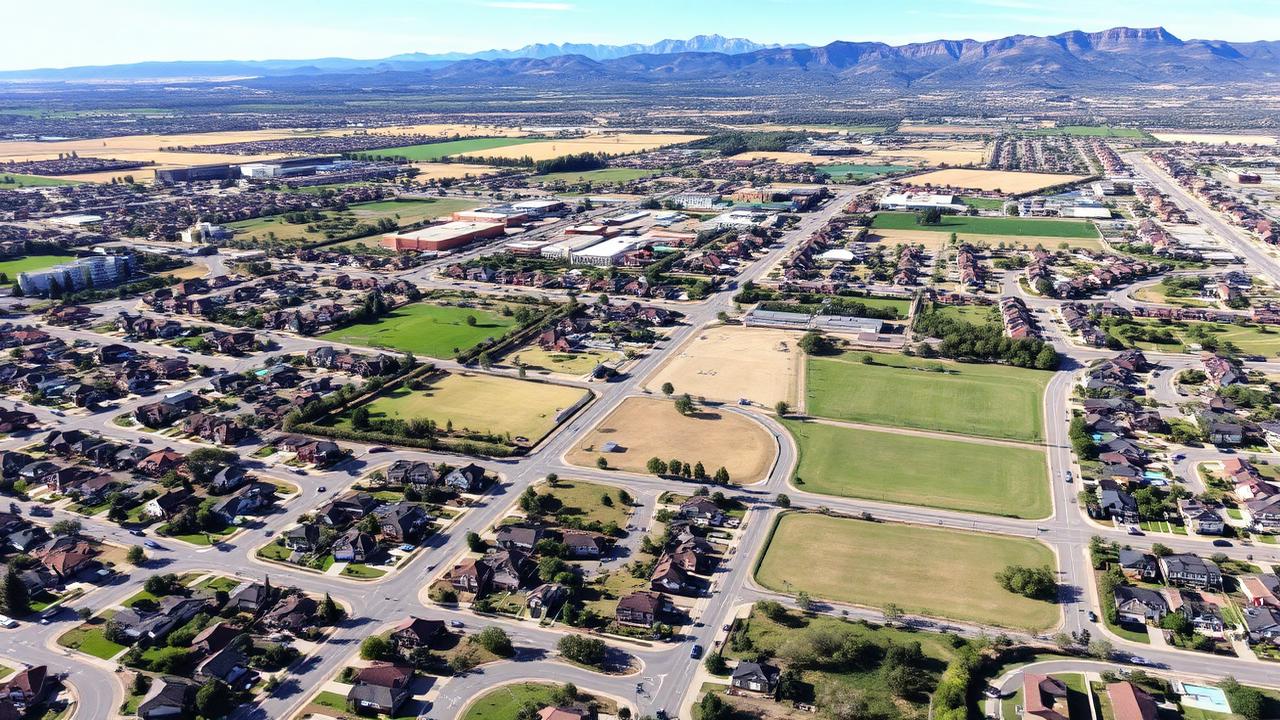
Established west-metro neighborhoods, HOA communities that expect documented service, and foothills adjacency that keeps mice and wasps in the mix year-round. Our AI systems keep every call answered and every follow-up on schedule.
Typical Lakewood implementation goes live in about 30-90 days.
Lakewood is built out rather than booming, so growth comes from retention, referrals and HOA contracts rather than new construction.
Mid-century homes near Belmar and Green Mountain have settled foundations and older crawl spaces that rodents find every fall.
Board-managed communities want scheduled service, written reports and a clear point of contact, which is office work as much as field work.
Homes along the Green Mountain and Bear Creek edges see wasp nesting and rodent pressure that flatter interior neighborhoods do not.
In a stable market, most new customers come from a neighbor's recommendation and they call once. If nobody answers, that referral is gone.
We configure around retention, HOA accountability and referral response speed.
Voice AI answers on the first ring, including evenings and weekends, when neighbor referrals actually dial.
See Voice AIMessaging AI confirms scheduled community service and answers routine resident questions without tying up your office.
See Messaging AIThe AI Sales System handles renewal reminders and lapsed-customer outreach so retention is not a manual task.
See the AI Sales SystemWant to see what this looks like against your own Lakewood call volume? We will walk through it on a 30-minute call.
Book a Discovery CallService areas from Belmar out to Green Mountain, Morrison and Golden are configured during onboarding.
We have a deep, purpose-built FieldRoutes integration, and over 1,000 API connections available for everything else, so your Lakewood operation keeps one source of truth instead of four.
All third-party product names, logos, and brands are property of their respective owners. Use of these names does not imply endorsement or affiliation.
Lakewood operators grow through retention and referrals in a built-out market. AI intake and automated follow-up protect both without adding office headcount.
Deciding whether AI is right for your business at all is a separate question from which market you are in. We answer it honestly, including when the answer is not yet, in our AI decision guides, starting with should I use AI in my pest control business.
West-metro Denver pest pressure follows Colorado's dry, high-altitude seasons rather than a coastal rain cycle, and Lakewood's mix of mature suburbs and foothills edge produces a distinct calendar.
Miller moths migrate through the Front Range on their way to higher elevation, and Lakewood households near Green Mountain and Bear Creek Lake report swarms around porch lights and open windows for several weeks each spring. Overwintering boxelder bugs also emerge from wall voids in older Belmar-area homes as the weather warms, clustering on sun-facing exteriors before working their way indoors. HOA-managed communities request early-spring inspections ahead of board walkthroughs.
Wasp and yellowjacket nests build out in eaves and irrigation boxes across Applewood and Morrison-adjacent properties, and calls spike after residents get stung during backyard gatherings. Ants become active along foundation lines in Bear Creek and Green Mountain homes as afternoon thunderstorms bring intermittent moisture to otherwise dry landscaping. Mature trees in older Lakewood neighborhoods also host aphid and related insect activity that draws wasps closer to homes.
Boxelder bugs return in large numbers, seeking entry points on the sunny south and west sides of Lakewood homes as boxelder and maple trees along Bear Creek Greenbelt drop seed pods. Crickets and other overwintering pests follow the same pattern, working into foundation gaps common in mid-century Belmar and Green Mountain construction. HOA accounts request fall exterior treatments to keep these clusters from crossing thresholds before winter.
Mice move indoors as temperatures drop below freezing, favoring the settled foundations and older crawl spaces typical of homes built in the 1950s and 1960s near Belmar and Applewood. Foothills-adjacent properties along the Green Mountain and Morrison edge see the heaviest rodent pressure as wildlife corridors funnel mice toward warm structures. Winter is also when referral-driven bookings peak, since neighbors compare notes over the holidays about who handled their mouse problem.
Brief warm spells in January and February along the Front Range trick overwintering pests into premature activity, and pest control companies see a small but real bump in spider and cluster fly sightings inside homes near Bear Creek Lake Park during these thaw windows. Mature Applewood homes with older weatherstripping let these opportunists slip inside during the warm afternoons, then residents notice them once evening temperatures drop again. Scheduling flexibility matters here because these calls arrive with little warning and cluster around specific warm-weather stretches rather than a fixed calendar month.
Colorado's summer monsoon pattern pushes brief but heavy afternoon humidity into the Green Mountain and Bear Creek corridors, and that moisture spike drives millipede and sowbug activity along foundation perimeters that stay dry the rest of the year. Older Belmar homes with window wells collect this moisture and become a common entry point. Partners who track this pattern schedule perimeter treatments just ahead of the July-August monsoon window rather than waiting for complaint calls after the first humid week.
Lakewood's built-out, hill-and-canyon geography rewards tight neighborhood clustering and punishes routes that ignore it.
Crews moving between Belmar's dense retail corridor and the quieter Green Mountain foothills often rely on Alameda Avenue or Union Boulevard, both of which slow significantly during Denver-area rush hours. A route that schedules a Belmar stop right before a Green Mountain stop during the 4-6pm window routinely loses fifteen minutes that a slightly reordered schedule would have avoided.
Properties near Morrison and the western edge of Lakewood sit close to C-470, which makes them fast to reach in isolation but expensive to combine with anything east of Wadsworth Boulevard in the same loop. Dispatch treats the C-470 corridor as its own cluster rather than trying to blend it into a standard Lakewood day.
Established Belmar and Applewood lots often have narrow, tree-lined driveways and mature landscaping that were never designed for a service van, and crews routinely need extra time to park and carry equipment to the rear of a property. Scheduling standard fifteen-minute windows in these older neighborhoods, the same as newer subdivisions, understaffs the day before it starts.
Community-managed properties request inspections timed around board meetings and seasonal walkthroughs, which pushes a disproportionate share of HOA work into the same few weeks each quarter. Crews need flexible capacity in early spring and late fall specifically to absorb this demand without pushing routine residential customers to the back of the queue.
Retail centers and small offices along West Colfax Avenue and Wadsworth Boulevard often require before-open or after-close service windows that do not match residential routing at all. Treating these commercial stops as their own block, rather than squeezing them between houses, keeps technicians from arriving during business hours when access is denied and the stop has to be rescheduled entirely.
Winter storms rolling off the foothills can shut down C-470 ramps and slow Union Boulevard enough that a full day of Green Mountain and Morrison appointments needs rebooking with little notice. Partners who build a same-day rebooking message into their AI systems recover those cancelled slots faster than staff manually calling every affected household one at a time.
Lakewood operators pull technicians from the same labor pool as companies across Denver, Aurora and Golden, so retention depends on route efficiency and reasonable daily mileage as much as pay. A dispatch system that clusters Belmar and Green Mountain stops sensibly keeps a technician's day predictable, which matters when experienced techs can drive twenty minutes further east for a comparable job.
Investors who hold several rental units scattered from Applewood to Bear Creek expect a single scheduling relationship rather than separate service calls for each address. Consolidating these accounts under one recurring contract, with messaging AI handling routine confirmations across all units, turns a handful of scattered single visits into one dependable account.
More reading for operators working Lakewood, CO and the markets around it.
Location-specific guides written for the pest pressure, routes, and customer behavior of this market.
A short one-pager on the Lakewood market, the systems we build for operators here, and how implementation runs, written to be printed and passed around.
Last updated 2026-09-17
Try the messaging AI that answers texts, webchat, and social for pest control teams.
Start a ChatUse our free pest control AI assistant today, no contract, no setup call.
Try PestGPT FreePull last year's lapsed customers. We'll show you how many could have been saved with automated follow-up.
The Colorado guide covers statewide pest pressure, licensing and call patterns, and links every Colorado city guide we publish, including this one.