
Prairie-edge subdivisions bring rodents indoors every fall
New construction along E-470 borders open prairie, so the first cold snap sends mice and voles into garages and crawl spaces across Southshore, Tallyn's Reach and Green Valley Ranch.
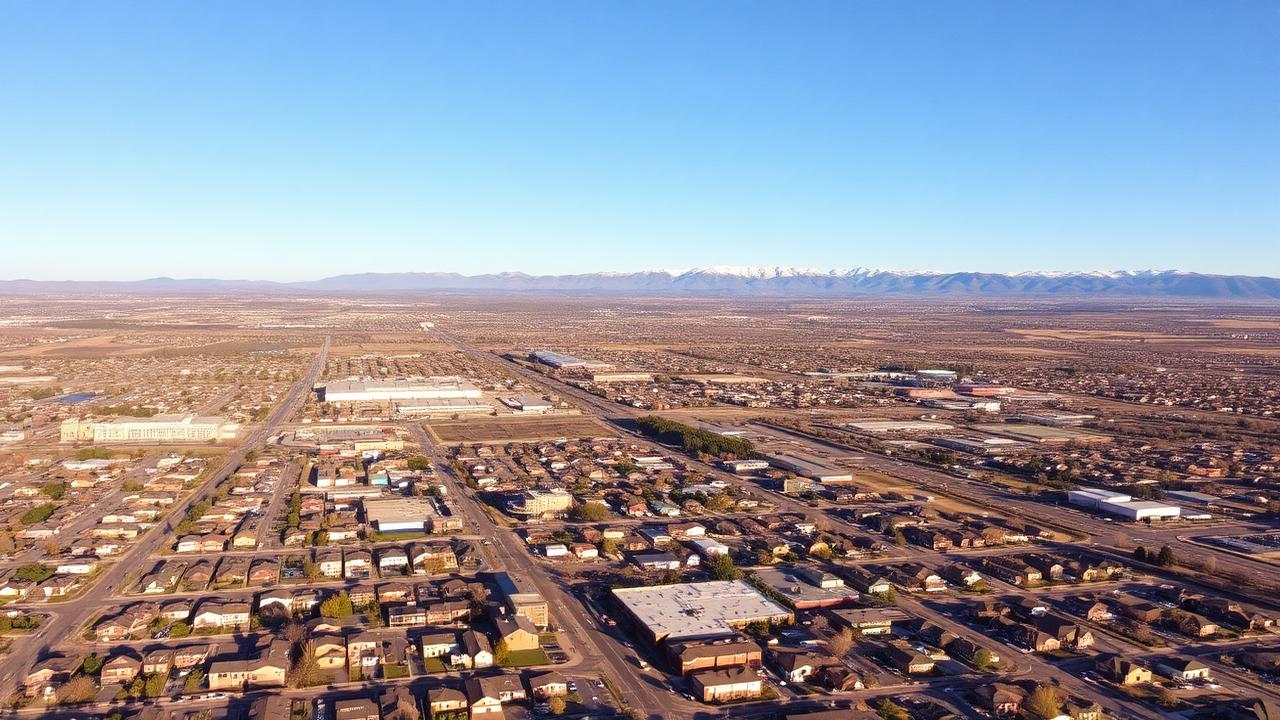
Colorado's third-largest city keeps pushing east into the prairie, and each new subdivision brings mice, voles and spider calls with it. Our AI systems answer every call and keep dispatch tight across a service area that spans three counties.
Typical Aurora implementation goes live in about 30-90 days.
Aurora spans Arapahoe, Adams and Douglas counties, and the mix of new prairie subdivisions and older apartment stock creates two very different books of business.
New construction along E-470 borders open prairie, so the first cold snap sends mice and voles into garages and crawl spaces across Southshore, Tallyn's Reach and Green Valley Ranch.
Corridors along Colfax and Havana have dense mid-century multi-family housing where a single unit rarely stays a single unit, and property managers expect same-week response.
Semi-arid conditions push ants and wolf spiders toward watered lawns and foundations, so residential calls cluster around irrigated neighborhoods from June onward.
A route that jumps from Buckley to Southlands and back can burn an hour, which is real margin on a day with eight stops.
Front Range hailstorms in May and June routinely tear up siding and roof vents across Aurora, and every torn vent screen or cracked soffit becomes a new entry point for mice and wasps until repair crews finish months of insurance work.
Warehouses and offices along the Tower Road and Gun Club corridor near Buckley run on lease terms that require pest service logs, and a missed inspection report can jeopardize a facilities contract.
We configure around a market with two call profiles, residential sprawl and multi-family management, on one dispatch board.
Voice AI answers every call during the two weeks in fall when your phones triple, so nobody rolls to voicemail.
See Voice AIMessaging AI collects unit numbers, tenant availability and manager approvals before a crew leaves the shop.
See Messaging AIThe AI Sales System follows up after every initial service to move new Aurora homeowners onto quarterly plans.
See the AI Sales SystemWant to see what this looks like against your own Aurora call volume? We will walk through it on a 30-minute call.
Book a Discovery CallService areas from central Aurora out to Southlands and the E-470 corridor are configured during onboarding.
We have a deep, purpose-built FieldRoutes integration, and over 1,000 API connections available for everything else, so your Aurora operation keeps one source of truth instead of four.
All third-party product names, logos, and brands are property of their respective owners. Use of these names does not imply endorsement or affiliation.
Aurora operators compete in a metro where homeowners call three companies and book with whoever picks up. AI intake gives a local crew instant response across a service area that would otherwise need two full-time office staff.
Deciding whether AI is right for your business at all is a separate question from which market you are in. We answer it honestly, including when the answer is not yet, in our AI decision guides, starting with should I use AI in my pest control business.
Aurora's location on Denver's high-plains edge means its pest calendar runs on cold snaps, hailstorms, and irrigation cycles rather than the humidity-driven patterns of a coastal or Midwest market.
Spring snowmelt along Sand Creek and the Highline Canal wakes overwintering ants in crawl spaces across Aurora's older neighborhoods near Del Mar Circle, while the season's first wasp scouts start scoping eaves on new-build homes near Southlands.
Front Range hailstorms roll through most years in this stretch, tearing gutters, roof vents, and window screens on homes across Aurora, and each damaged opening becomes a new pest entry point that keeps exclusion crews busy well into the repair season that follows.
Peak lawn irrigation across Tallyn's Reach and Saddle Rock draws ants, earwigs, and wolf spiders toward foundations, while triple-digit heat pushes scorpions and spiders indoors from the drier prairie lots along the E-470 corridor.
The first hard freeze, often arriving with little warning on the high plains, sends deer mice and voles pouring out of the open fields bordering E-470 into garages and crawl spaces in Green Valley Ranch and Southshore within days of the cold snap.
Once winter settles in, rodent complaints shift indoors to walls and attics, and calls concentrate in older apartment stock along Colfax and Havana where shared walls let mice move between units faster than in single-family construction.
Extended cold snaps push mice sheltering in outbuildings and sheds near the Aurora Reservoir and rural Arapahoe County edges harder into nearby homes, and icy conditions on Gun Club Road and the E-470 frontage roads slow response to the farthest-out calls.
Aurora's territory runs from dense inner-Aurora apartment corridors to brand-new subdivisions past E-470, and a route built around one part of that footprint falls apart in the other.
Everything inside E-470 is largely built out, with older multi-family stock and established single-family blocks, while the corridor east of the tollway keeps adding new subdivisions like Painted Prairie and Green Valley Ranch North, each needing new-construction pretreat work on a different timeline than resale-home service.
These east-west corridors hold much of Aurora's older apartment and extended-stay stock, where a single roach or bed bug complaint often means several adjoining units need inspection, and property managers expect a technician who can work the whole building in one visit.
Contracts serving facilities near Buckley Space Force Base or its surrounding business parks often require advance notice and ID verification before a technician can get on-site, so those stops need to be scheduled with buffer time rather than dropped into a standard route.
After a major hail event, roofing and siding repair crews are booked out for weeks, which means pest exclusion work tied to storm damage often has to be sequenced around a homeowner's insurance repair timeline rather than completed immediately.
Homes backing up to Cherry Creek State Park and the Aurora Reservoir see more raccoon, skunk, and vole activity than interior neighborhoods, and crews who know the park boundary can anticipate which service calls will need wildlife-specific handling.
A commercial contract in the Adams County portion of Aurora can carry different licensing or inspection requirements than one in Arapahoe or Douglas County, so operators bidding on multi-location accounts need a system that tracks which county each site falls in.
More reading for operators working Aurora, CO and the markets around it.
Location-specific guides written for the pest pressure, routes, and customer behavior of this market.
A short one-pager on the Aurora market, the systems we build for operators here, and how implementation runs, written to be printed and passed around.
Last updated 2026-09-17
Try the messaging AI that answers texts, webchat, and social for pest control teams.
Start a ChatUse our free pest control AI assistant today, no contract, no setup call.
Try PestGPT FreePull the two weeks after last year's first freeze. We'll show you how many calls came in and how many got a same-day answer.
The Colorado guide covers statewide pest pressure, licensing and call patterns, and links every Colorado city guide we publish, including this one.