
August turnover creates a compressed rental rush
Landlords around Old Town and Campus West want units treated between tenants in a two-week window, and everyone calls the same fortnight.
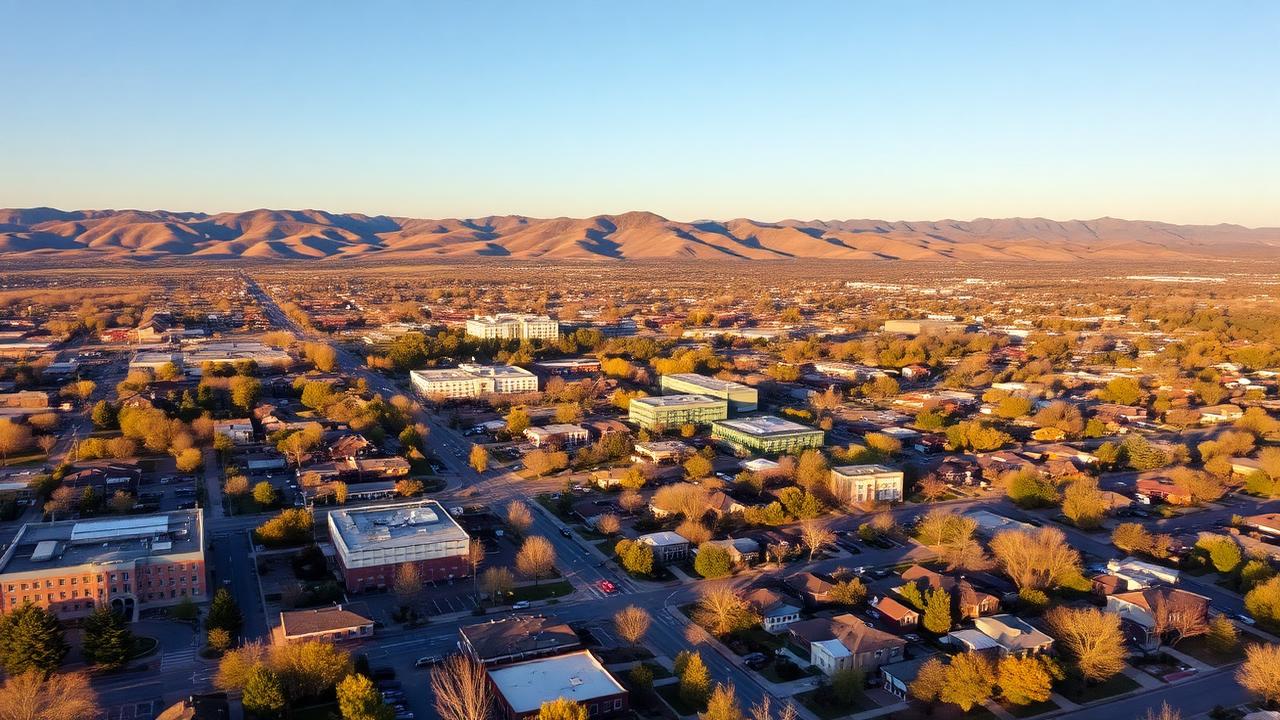
A university town at the edge of the foothills, where August lease turnover, student rentals and canyon-adjacent rodent pressure all hit at once. Our AI systems keep intake covered while your crews work Old Town and the foothills.
Typical Fort Collins implementation goes live in about 30-90 days.
Colorado State drives housing turnover, and the foothills drive pest pressure, so the two calendars stack on each other.
Landlords around Old Town and Campus West want units treated between tenants in a two-week window, and everyone calls the same fortnight.
Homes backing to open space near Horsetooth get mice, packrats and wasp activity that suburban interior neighborhoods do not.
Century-old homes with stone foundations and additions give rodents dozens of ways in, so inspections take longer and estimates need better detail.
A large share of callers will not leave a voicemail, and they will book with the first company that answers or texts back.
We configure around a text-first customer base and a demand curve tied to the academic year.
Voice AI covers the lease-turnover spike so landlord calls get booked instead of queued.
See Voice AIMessaging AI handles the whole conversation by text, which is how most student-market callers prefer to book.
See Messaging AIThe AI Sales System follows up with property owners so turnover work becomes an annual contract.
See the AI Sales SystemWant to see what this looks like against your own Fort Collins call volume? We will walk through it on a 30-minute call.
Book a Discovery CallService areas from Old Town out to Timnath, Wellington and Loveland are configured during onboarding.
We have a deep, purpose-built FieldRoutes integration, and over 1,000 API connections available for everything else, so your Fort Collins operation keeps one source of truth instead of four.
All third-party product names, logos, and brands are property of their respective owners. Use of these names does not imply endorsement or affiliation.
Fort Collins operators serve a young, text-first customer base with a demand curve set by the university calendar. AI intake means the August surge does not require a seasonal office hire.
Deciding whether AI is right for your business at all is a separate question from which market you are in. We answer it honestly, including when the answer is not yet, in our AI decision guides, starting with should I use AI in my pest control business.
Fort Collins runs on two overlapping calendars: the foothills' wildlife and rodent pressure that tracks the seasons, and the Colorado State academic year that dictates when landlords and renters actually call. The two intersect hardest in late summer.
Cold, dry winters push deer mice and packrats toward homes backing to open space near Horsetooth Reservoir and the foothills west of town, since natural food sources thin out. Older Old Town homes with stone foundations see steady rodent activity as gaps around additions and crawlspaces let mice in ahead of the worst cold snaps. Landlords managing rental properties near Campus West use the slower winter semester to schedule preventive inspections before the spring semester and next August's turnover cycle begin.
As snowmelt runs off Horsetooth and the foothills, wasps and yellowjackets begin building nests around eaves and sheds in neighborhoods backing to open space. Ants become active in Old Town's older homes as soil warms. Packrat activity continues in foothills-adjacent properties as spring vegetation returns. This is also when property managers start planning ahead for the August turnover crunch, requesting early-summer inspections on rental units near Colorado State so problems get caught before the compressed lease-turnover window hits.
Wasp and yellowjacket activity peaks around August as nests reach full size, driving sting-risk calls near parks and foothills trailheads. The heaviest spike, though, is the compressed two-week lease turnover around Colorado State, when Old Town and Campus West landlords all want units treated between the outgoing and incoming tenant on the same August calendar. Foothills properties near Horsetooth also see continued mouse and wasp pressure as the dry late-summer landscape pushes wildlife toward irrigated yards.
As temperatures drop, mice and packrats move indoors again across foothills-adjacent neighborhoods, and older Old Town housing stock with stone foundations and additions becomes a top entry point. Boxelder bugs and cluster flies gather on sun-facing walls seeking overwintering sites. Landlords near Campus West often request fall inspections ahead of winter break, when vacant student units sitting empty for weeks can develop unnoticed rodent problems.
Old Town's mature elm trees produce heavy elm seed bug swarms in late May and early June, sending the small brown insects onto sidewalks, porches and window screens throughout the historic core in numbers that alarm residents unfamiliar with the pest. These swarms are largely a nuisance rather than a structural threat, but the volume of calls rivals spring ant activity, and intake benefits from distinguishing elm seed bugs from bed bug concerns, which first-time callers sometimes confuse based on the name alone.
Consistent lawn irrigation through July across Loveland and Wellington's newer subdivisions keeps soil moist enough to sustain heavy earwig and pillbug populations, which show up under patio pavers, in mulch beds and occasionally inside homes through door thresholds. These calls run alongside the wasp and yellowjacket surge but come disproportionately from single-family neighborhoods rather than the denser rental stock near Campus West, since irrigated turf is less common in student housing yards.
Fort Collins crews juggle a compressed academic turnover season with year-round foothills wildlife calls spread across a wider service area. Routing has to flex hard in August and stay efficient the rest of the year.
Old Town and Campus West landlords all want service in the same two-week stretch tied to Colorado State's lease cycle, so routes built the rest of the year around steady residential and foothills work need temporary reshuffling in August, with crews pulled toward campus-adjacent rentals and other work pushed to the edges of the day.
Properties backing to Horsetooth Reservoir and the open space west of town are spread farther apart than Old Town's tight grid, so a foothills route naturally carries fewer stops per day. Scheduling should account for this lower stop density rather than expecting foothills routes to match in-town efficiency.
Crews moving between Old Town, Campus West and outlying stops in Timnath or Wellington rely on College Avenue and Timberline Road, both of which slow during Colorado State's class-change windows and weekday commute hours. Runs east toward Timnath or Wellington scheduled before 3pm avoid the worst of afternoon congestion near the Prospect Road corridor.
Century-old homes with stone foundations and multiple additions near Old Town take longer to inspect than newer construction in Loveland or Wellington, so estimators should budget extra time per stop in these neighborhoods rather than applying a flat inspection window across the whole service area.
Because so much of Fort Collins' rental stock near Colorado State is professionally managed, most August turnover requests arrive from a property management company coordinating dozens of units rather than individual tenants calling one at a time. Capturing the managing company's portfolio list and preferred batch-scheduling window at intake lets dispatch group units by building or block instead of treating each request as a separate, unrelated call.
Northern Colorado's spring hailstorms occasionally force same-day cancellations for exterior treatments, and a fast-moving storm rolling off the foothills can disrupt an entire afternoon of scheduled exterior work with little warning. Operators who maintain a text-based rebooking process can shift a canceled afternoon's stops to the next available slot without individually phoning each customer, which keeps the tight April through June schedule from falling further behind during a season already packed with pre-turnover inspection requests.
More reading for operators working Fort Collins, CO and the markets around it.
Location-specific guides written for the pest pressure, routes, and customer behavior of this market.
A short one-pager on the Fort Collins market, the systems we build for operators here, and how implementation runs, written to be printed and passed around.
Last updated 2026-09-17
Try the messaging AI that answers texts, webchat, and social for pest control teams.
Start a ChatUse our free pest control AI assistant today, no contract, no setup call.
Try PestGPT FreePull the first two weeks of last August. We'll show you how many landlord calls hit voicemail during turnover week.
The Colorado guide covers statewide pest pressure, licensing and call patterns, and links every Colorado city guide we publish, including this one.