
Summer rental turnover near the beaches drives seasonal surges
Vacation rentals near Biddeford Pool and Hills Beach turn over weekly in summer, and guests often report ant or wasp issues that need same-day response.
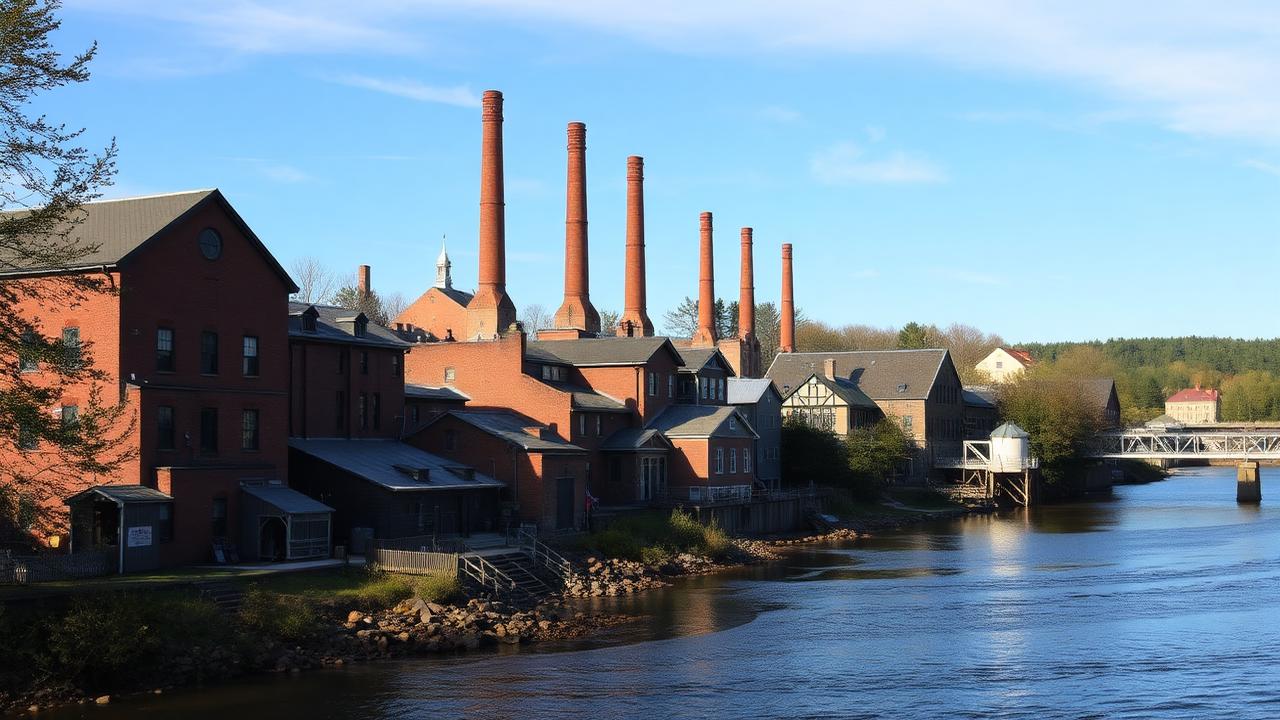
Coastal humidity, converted riverside mill housing, and a summer tourism surge along nearby beaches keep pest demand varied through the year. Our AI systems capture every call while your crews cover York County.
Typical Biddeford implementation goes live in about 30-90 days.
A former mill city turned coastal destination, Biddeford combines old riverside housing with a summer rental economy tied to nearby beaches.
Vacation rentals near Biddeford Pool and Hills Beach turn over weekly in summer, and guests often report ant or wasp issues that need same-day response.
Old textile mills along the Saco River converted to apartments and businesses need pest management spanning both uses in the same structure.
Proximity to the Gulf of Maine keeps summer humidity elevated, feeding ant and mosquito complaints across the city.
Cluster flies and stink bugs seek warmth indoors as temperatures drop, spiking calls from September through November across Biddeford.
We configure around summer rental turnover, mill-building complexity, and fall overwintering demand.
Voice AI answers around the clock during peak beach season so vacation rental issues get same-day attention.
See Voice AIMessaging AI confirms access across mixed residential and commercial tenants in converted mill properties.
See Messaging AIThe AI Sales System tracks seasonal patterns so crews can plan capacity ahead of the fall rush.
See the AI Sales SystemWant to see what this looks like against your own Biddeford call volume? We will walk through it on a 30-minute call.
Book a Discovery CallService areas from Biddeford out through Saco, Old Orchard Beach and Kennebunk are configured during onboarding.
We have a deep, purpose-built FieldRoutes integration, and over 1,000 API connections available for everything else, so your Biddeford operation keeps one source of truth instead of four.
All third-party product names, logos, and brands are property of their respective owners. Use of these names does not imply endorsement or affiliation.
Biddeford operators work a market shaped by summer beach tourism and old riverside mill housing. AI intake keeps every seasonal rental, mill-conversion, and overwintering call accounted for.
Deciding whether AI is right for your business at all is a separate question from which market you are in. We answer it honestly, including when the answer is not yet, in our AI decision guides, starting with should I use AI in my pest control business.
Biddeford's pest pressure tracks the tourist season on one hand and the Saco River's mill-district housing stock on the other. Crews see distinct waves rather than a flat year-round baseline.
As frost breaks along the Saco River, overwintering cluster flies and stink bugs that tucked into mill-building attics and old triple-decker walls start reappearing indoors, generating a steady run of exclusion calls. Carpenter ants also wake up in the damp timber framing common to Biddeford's older housing stock near Main Street. Rodent activity picks up too, as mice that moved into crawlspaces for winter start foraging again before outdoor food sources return. Spring is a strong month for renewal-driven inspections ahead of the summer rental push.
Vacation rental turnover near Biddeford Pool and Hills Beach peaks, and weekly guest changeovers surface ant, wasp, and yellowjacket complaints that need same-day turnaround before the next check-in. Coastal humidity off the Gulf of Maine keeps mosquito pressure high in shaded yards and near the Saco riverbank. Ground-nesting yellowjackets become a real liability concern around beach cottages and rental decks. This is the highest call-volume window of the year, and missed after-hours calls during peak season translate directly into lost rental-season revenue.
As temperatures drop, cluster flies, boxelder bugs, and stink bugs begin seeking warmth and push hard into converted mill apartments and older single-family homes near downtown, driving the year's biggest overwintering surge. Rodents also start moving indoors from the riverbanks and industrial lots along Main Street, looking for shelter ahead of the Maine winter. Commercial tenants in mixed-use mill buildings often report activity in shared walls and utility chases. Fall is typically the second-busiest season behind summer, concentrated tightly into a few weeks.
Winter slows outdoor activity but Biddeford's harsh coastal winters push rodents deep into structures, particularly older mill-district buildings and homes with fieldstone foundations that offer easy entry points. Indoor pest calls shift toward mice and rats seeking warmth and food near the Saco River corridor. Slower months give crews room for structural exclusion work and follow-ups from fall's overwintering rush before the spring cycle restarts.
As lilacs and apple trees bloom around older Biddeford neighborhoods near Alfred Street, carpenter bees start drilling into weathered barn boards and porch trim on the city's historic homes, a common complaint in the Pool area's older cottages. Paper wasps also begin early nest construction under eaves and dock structures near the Saco River boat landings, and property managers overseeing seasonal rental turnovers request preemptive nest checks before the first wave of summer guests arrives.
By late August, standing water in drainage ditches along Route 111 and marshy areas near Hills Beach keeps mosquito populations elevated even as the peak rental season winds down. Deer ticks are also active in the brushy trail edges around Clifford Park and East Point Sanctuary, prompting calls from families returning from hikes. Restaurant and retail tenants in the mill district request patio-area mosquito treatments to keep outdoor dining comfortable through Labor Day weekend.
Biddeford's terrain runs from dense downtown mill blocks to spread-out beach communities, which changes how routes and staffing need to work. Dispatch decisions here hinge on tourist-season traffic and housing density as much as pest pressure.
Route 9 to Biddeford Pool and Route 1 through Saco see heavy congestion in summer as beach traffic and tourism compound normal commute patterns. Techs routing between downtown Biddeford and Hills Beach need buffer time built into afternoon appointments during June through August, since a stop that takes fifteen minutes in April can take forty in July.
Downtown accounts near the Saco River mill buildings sit close together, letting techs stack several jobs in a tight radius. Once routes extend toward Biddeford Pool or out toward Kennebunk, stops space out considerably. Dispatchers get the best results by clustering downtown and mill-district jobs in the morning and pushing coastal, lower-density stops to the afternoon.
Old textile mills along the river converted into mixed residential-commercial buildings require techs comfortable navigating shared walls, tenant permissions, and multiple points of contact. Beach cottages near Hills Beach and Biddeford Pool are smaller, seasonal structures with different access patterns, often needing coordination with property managers rather than owners on site.
Call volume in Biddeford roughly doubles during peak beach season as vacation rentals turn over weekly, then drops back after Labor Day before rising again for fall overwintering work. Crews sized for the winter baseline get overwhelmed in July without added seasonal capacity or dispatch prioritization, which is exactly where AI intake support matters most.
Many vacation properties near Biddeford Pool and Hills Beach are managed by rental agencies rather than the owners themselves, so service requests, billing, and access instructions all route through a property manager juggling dozens of units. Intake needs to capture which management company handles a given address and confirm lockbox or key procedures up front, since a tech arriving at a beach cottage without verified access loses an entire stop during the tightly packed summer schedule.
Treatments near the Saco River and coastal wetlands around Biddeford Pool fall under Maine's shoreland zoning rules, which restrict certain chemical applications within set buffer distances of the water. Techs working these routes need to confirm property boundaries relative to protected shoreland before treating, and operators build this verification step into scheduling for any job flagged as waterfront or river-adjacent to avoid compliance issues with the city's code enforcement office.
More reading for operators working Biddeford, ME and the markets around it.
Location-specific guides written for the pest pressure, routes, and customer behavior of this market.
A short one-pager on the Biddeford market, the systems we build for operators here, and how implementation runs, written to be printed and passed around.
Last updated 2026-09-17
Try the messaging AI that answers texts, webchat, and social for pest control teams.
Start a ChatUse our free pest control AI assistant today, no contract, no setup call.
Try PestGPT FreePull last July and August. We'll show you how many vacation rental pest calls came in after hours and never got a callback.
The Maine guide covers statewide pest pressure, licensing and call patterns, and links every Maine city guide we publish, including this one.