
Lake Auburn seasonal camps need spring opening and fall closing service
Camp owners around the lake call each spring to check for winter rodent damage and each fall to seal up before the cold season.
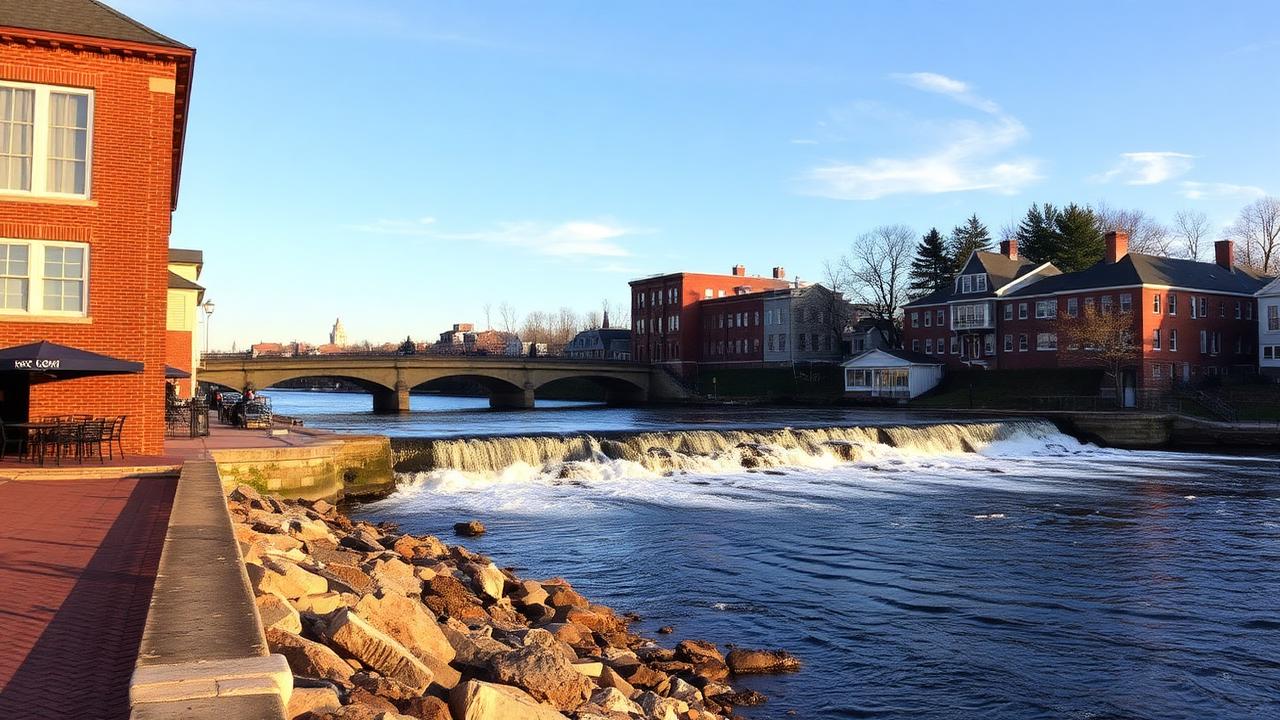
A mix of suburban neighborhoods, rural outskirts, and seasonal camps around Lake Auburn keeps pest demand varied through Maine's long winters. Our AI systems capture every call while your crews cover Androscoggin County.
Typical Auburn implementation goes live in about 30-90 days.
Auburn's mix of Lake Auburn shoreline camps, suburban neighborhoods, and rural farmland outskirts produces a varied pest pressure profile.
Camp owners around the lake call each spring to check for winter rodent damage and each fall to seal up before the cold season.
Farmland and wooded lots on Auburn's edges see field mice, voles and occasional raccoon or skunk complaints tied to outbuildings.
Newer subdivisions off Center Street and Court Street report seasonal ant and spider activity as temperatures warm.
Cluster flies and stink bugs seek warmth indoors as temperatures drop, spiking calls from September through November.
We configure around seasonal lake-camp needs, rural wildlife calls, and fall overwintering volume.
Voice AI answers around the clock each spring and fall so lake-area camp owners never miss a booking window.
See Voice AIMessaging AI confirms access to outbuildings and rural properties before crews make the trip.
See Messaging AIThe AI Sales System tracks seasonal volume patterns so crews can plan capacity ahead of the fall rush.
See the AI Sales SystemWant to see what this looks like against your own Auburn call volume? We will walk through it on a 30-minute call.
Book a Discovery CallService areas from Auburn out through Lewiston, Poland and Minot are configured during onboarding.
We have a deep, purpose-built FieldRoutes integration, and over 1,000 API connections available for everything else, so your Auburn operation keeps one source of truth instead of four.
All third-party product names, logos, and brands are property of their respective owners. Use of these names does not imply endorsement or affiliation.
Auburn operators work a market spanning lake-shore camps, rural farmland, and suburban neighborhoods. AI intake keeps every seasonal, rural, and overwintering call accounted for.
Deciding whether AI is right for your business at all is a separate question from which market you are in. We answer it honestly, including when the answer is not yet, in our AI decision guides, starting with should I use AI in my pest control business.
Auburn's seasons swing hard, from ice-bound winters to humid July stretches along the Little Androscoggin, and each swing rewrites the pest calendar. Crews plan around camp season at Lake Auburn as much as around the frost line.
As the ice comes off Lake Auburn, camp owners along the shoreline and out toward Poland Spring Road open up cottages that sat closed since November, often finding carpenter ant frass in windowsills and mouse droppings in cabinets. Warming soil in late April brings carpenter ant swarmers through kitchens near Center Street and Court Street. Crews stack camp inspections with early ant treatments, since both jobs cluster in the same six-week window and drive times to the lakeside camps eat into the day if routing isn't tight.
Summer humidity off the Androscoggin and Little Androscoggin rivers keeps mosquito pressure high on lots backing onto wetlands near Barker Mill Road and Lake Auburn Beach. Odorous house ants and pavement ants push into subdivisions off Court Street and Turner Street, while paper wasps build under eaves on the newer construction around Minot Avenue. This is the highest call-volume stretch of the year, with same-week scheduling expected by homeowners who want mosquito treatments before Fourth of July gatherings at the lake.
As nights drop into the 40s, cluster flies and stink bugs stack up on the sunny south sides of farmhouses along Route 4 and Route 121, seeking gaps around fascia boards to overwinter. At the same time, field mice and voles from the farmland edges near New Auburn and Minot start pushing into garages and outbuildings ahead of the first hard frost. Camp owners around Lake Auburn call to winterize before ice-out closes access, compressing two service types into the same October weeks.
Deep cold pushes mice and the occasional red squirrel into attics and basements across North Auburn and downtown neighborhoods, especially in older housing stock near Main Street with fieldstone foundations that never fully seal. Rural properties near Poland and Turner see barn and outbuilding rodent calls as farm structures offer easier entry than tightly built homes. Call volume dips overall, but the calls that come in tend to be urgent same-day requests from homeowners hearing activity in walls overnight.
Auburn crews split time between tight in-town routes and long rural legs, which means routing decisions made in the morning affect every stop after lunch. Getting camp-season and rural-wildlife jobs sequenced correctly keeps drive time from eating the day.
Lake Auburn shoreline camps sit off narrow, seasonal roads that add real minutes compared to grid-pattern stops downtown. Crews that batch camp-opening and camp-closing jobs on the same morning, then swing back into North Auburn or downtown neighborhoods for ant and spider calls in the afternoon, avoid doubling back across Route 4 twice in one day.
Most rural wildlife and rodent calls sit out along Route 4 toward Turner and Route 202 toward Poland and Minot, both two-lane roads with slower average speeds than in-town streets. Grouping these stops by corridor rather than by call order keeps a technician from crossing back and forth across the Androscoggin River multiple times in an afternoon.
Older homes with fieldstone or brick foundations near Main Street and downtown Auburn need different rodent-exclusion approaches than the newer vinyl-sided subdivisions off Court Street and Minot Avenue, where gaps are more likely at utility penetrations. Techs carry different exclusion materials depending on which side of the city they're working.
Camp openings in May and overwintering-pest calls in October both create short, sharp volume spikes that outlast a single technician's daily capacity. Operators who bring on seasonal help or shift routes to prioritize the lake corridor during these windows avoid the callback backlog that builds when both surges hit the same crew size that handles the quieter winter months.
More reading for operators working Auburn, ME and the markets around it.
Location-specific guides written for the pest pressure, routes, and customer behavior of this market.
A short one-pager on the Auburn market, the systems we build for operators here, and how implementation runs, written to be printed and passed around.
Last updated 2026-09-17
Try the messaging AI that answers texts, webchat, and social for pest control teams.
Start a ChatUse our free pest control AI assistant today, no contract, no setup call.
Try PestGPT FreePull last April and May. We'll show you how many Lake Auburn camp-opening calls came in after hours and never got a callback.
The Maine guide covers statewide pest pressure, licensing and call patterns, and links every Maine city guide we publish, including this one.