
Working waterfront and industrial accounts need fast commercial response
Oil terminals, marine businesses and warehouses along the harbor expect same-day attention on any rodent sighting tied to safety inspections.
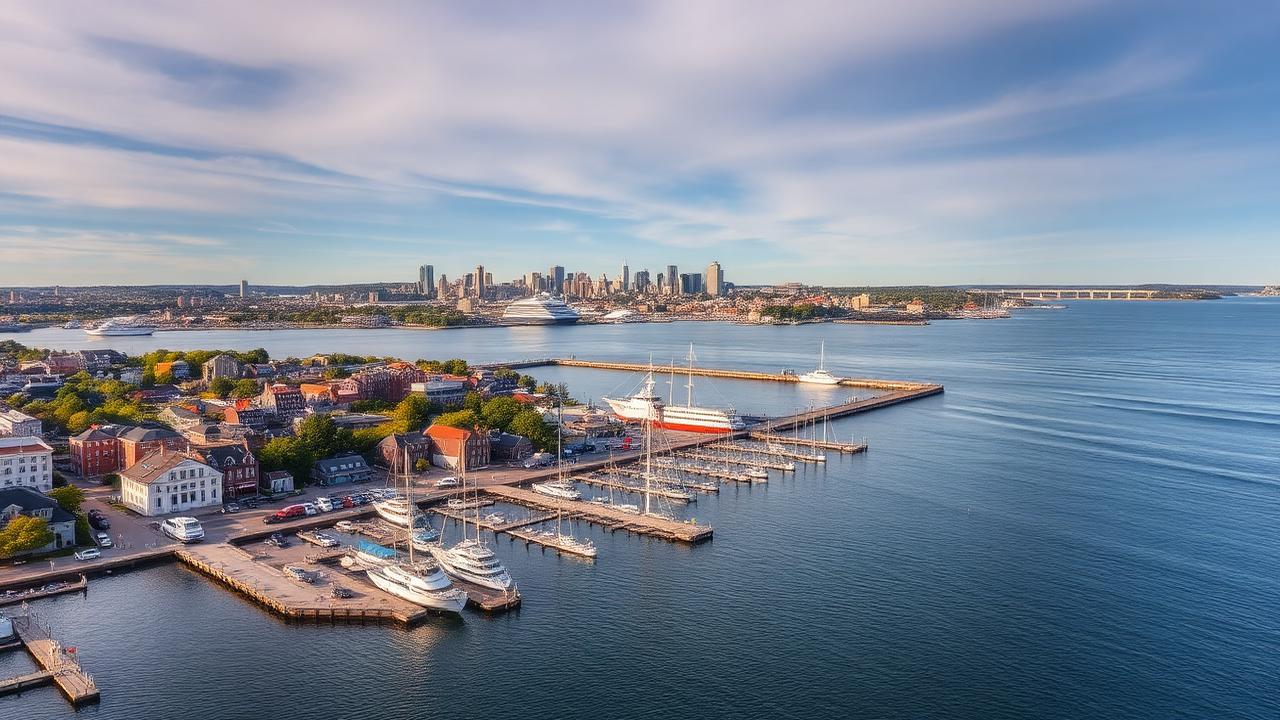
Casco Bay humidity, an active working waterfront, and dense older neighborhoods keep rodent and moisture-pest calls steady through Maine's long winters. Our AI systems capture every call while your crews cover Cumberland County.
Typical South Portland implementation goes live in about 30-90 days.
An active oil-terminal and shipping waterfront paired with older residential neighborhoods keeps South Portland's pest pressure varied and steady.
Oil terminals, marine businesses and warehouses along the harbor expect same-day attention on any rodent sighting tied to safety inspections.
Coastal proximity keeps summer humidity elevated, feeding ant and mosquito complaints in neighborhoods like Willard Beach and Ferry Village.
Aging wood-frame homes with basements provide easy rodent entry points, especially as temperatures drop each fall.
Cluster flies and stink bugs seek warmth indoors as temperatures fall, spiking calls from September through November.
We configure around waterfront-industrial urgency, coastal humidity pests, and fall overwintering demand.
Voice AI answers around the clock and flags harbor-adjacent commercial accounts for priority handling.
See Voice AIMessaging AI confirms access for basement and crawl-space work in older Knightville and Meetinghouse Hill homes.
See Messaging AIThe AI Sales System tracks seasonal volume patterns so crews can plan capacity ahead of the fall rush.
See the AI Sales SystemWant to see what this looks like against your own South Portland call volume? We will walk through it on a 30-minute call.
Book a Discovery CallService areas from South Portland out through Portland, Scarborough and Cape Elizabeth are configured during onboarding.
We have a deep, purpose-built FieldRoutes integration, and over 1,000 API connections available for everything else, so your South Portland operation keeps one source of truth instead of four.
All third-party product names, logos, and brands are property of their respective owners. Use of these names does not imply endorsement or affiliation.
South Portland operators work a market shaped by an active working waterfront and older coastal neighborhoods. AI intake keeps every industrial, residential, and overwintering-season call accounted for.
Deciding whether AI is right for your business at all is a separate question from which market you are in. We answer it honestly, including when the answer is not yet, in our AI decision guides, starting with should I use AI in my pest control business.
South Portland's call pattern follows the working waterfront and the coastline as much as the calendar, with Casco Bay humidity and Maine's long winter setting the outer edges of the season. Older neighborhoods and industrial tank farms each generate their own distinct rhythm.
Spring thaw saturates crawlspaces in Knightville's older wood-frame homes, drawing pavement ants and sowbugs indoors as frost leaves the ground. Carpenter ant swarmers emerge early in Meetinghouse Hill's century-old houses, where damp sills near grade offer easy access. Oil terminal and marine businesses along the working waterfront request spring rodent inspections ahead of safety audits tied to shipping season ramp-up. Residents near Willard Beach start reporting ant trails along foundation walls as the ground warms faster on south-facing lots closest to the water.
Casco Bay humidity keeps mosquito complaints steady in Ferry Village and along the Bug Light Park waterfront, where standing water collects in low-lying yards. German cockroach calls rise in older multifamily buildings near Knightville as summer heat and cooking activity increase. Yellowjackets build nests aggressively under eaves in Meetinghouse Hill's older homes, drawn by warm, still air away from the ocean breeze. Waterfront industrial accounts see occasional ant activity around loading areas as landscaping irrigation creates isolated moisture pockets near the tank farms.
As nights cool, cluster flies and stink bugs begin gathering on sun-warmed exterior walls throughout South Portland's older neighborhoods, seeking gaps around window trim to overwinter, with call volume climbing steadily from September through November. Rodents start moving toward warm foundations in Knightville and Meetinghouse Hill's aging basements as outdoor food sources near the shoreline diminish. Waterfront commercial accounts request fall rodent proofing ahead of colder weather and increased indoor storage. Property managers along Ferry Village's older rental stock schedule fall exclusion work before heating systems kick on.
Harsh coastal winters push rodent activity hard indoors, with Knightville and Meetinghouse Hill's older basements generating the bulk of calls as mice seek warmth in century-old wood-frame construction. Oil terminal and marine industrial accounts along the harbor maintain steady monitoring station checks tied to safety compliance through the coldest months. Nor'easters occasionally cause ice damming on older roofs, opening new rodent entry points. Calls near Willard Beach and the immediate waterfront slow overall, but industrial accounts stay busy year-round regardless of weather.
As gulls and pigeons return to nest on rooftops and pilings along the working waterfront in April and May, marine businesses and warehouses near the Portland harbor request deterrent installations before nesting season locks in, since removing an active nest later becomes far more complicated. Residential calls near Bug Light Park and Willard Beach also pick up as homeowners notice bird droppings accumulating on decks facing the water, a seasonal nuisance distinct from the insect and rodent calendar.
Through September, paper wasps and bald-faced hornets build out nests under the eaves of Knightville and Meetinghouse Hill's older triple-decker homes, where wood trim and porch overhangs give them abundant anchor points. This window overlaps with the start of the cluster fly season, so techs working these neighborhoods often handle both pest types on the same visit, a pairing unique to South Portland's older wood-frame housing stock.
South Portland's geography puts industrial waterfront accounts, dense older residential streets, and bridge-connected access to Portland all within a few miles of each other, which shapes how routes and staffing get built day to day. Traffic on the bridges and through Knightville can eat into schedules quickly.
Techs moving between South Portland stops and accounts across the Casco Bay Bridge or the Veterans Memorial Bridge into Portland need to account for rush-hour backups, especially near the Casco Bay Bridge in the morning and evening commute windows, when planning same-day cross-harbor jobs.
These older neighborhoods have narrow streets and limited parking, so grouping multiple stops within a few blocks keeps drive time low, but techs should budget extra minutes per stop for older wood-frame homes with harder-to-access crawlspaces and basements.
Oil terminal and marine business accounts along the harbor often require sign-in procedures, safety briefings, or escort access before a tech can begin work, so commercial routing near the tank farms needs longer scheduled windows than a typical residential stop in Ferry Village or Willard Beach.
Call volume spikes hard from September through November as cluster flies and rodents move indoors across the older housing stock, so crews planning ahead for seasonal overtime or temporary help during that stretch keep response times reasonable instead of falling behind once cold weather sets in.
Multi-unit rental buildings in Ferry Village and parts of Knightville are often overseen by a handful of property management companies, and a single manager's satisfaction can determine whether several buildings stay on contract or move to a competitor. Coordinating exclusion and follow-up scheduling directly with these managers, rather than unit by unit, keeps South Portland's dense rental stock organized and reduces repeat calls for the same building.
Working the oil terminal and marine industrial accounts along the harbor requires technicians comfortable with sign-in procedures, safety training, and occasional escort requirements that don't apply to residential routes. Operators that identify and cross-train specific staff for this waterfront work, rather than assuming any technician can step into an industrial account, avoid delays when a scheduled commercial visit coincides with a compliance deadline.
More reading for operators working South Portland, ME and the markets around it.
Location-specific guides written for the pest pressure, routes, and customer behavior of this market.
A short one-pager on the South Portland market, the systems we build for operators here, and how implementation runs, written to be printed and passed around.
Last updated 2026-09-17
A 30-minute walkthrough against your own South Portland call volume.
Book a Discovery CallTry the messaging AI that answers texts, webchat, and social for pest control teams.
Start a ChatUse our free pest control AI assistant today, no contract, no setup call.
Try PestGPT FreePull last September through November. We'll show you how many South Portland cluster fly and rodent calls came in after hours and never got a callback.
The Maine guide covers statewide pest pressure, licensing and call patterns, and links every Maine city guide we publish, including this one.