
Old mill-town multifamily housing keeps rodent pressure high
Downtown Lewiston triple-deckers and rowhouses near the river let mice and rats move between shared basements, keeping landlord calls steady.
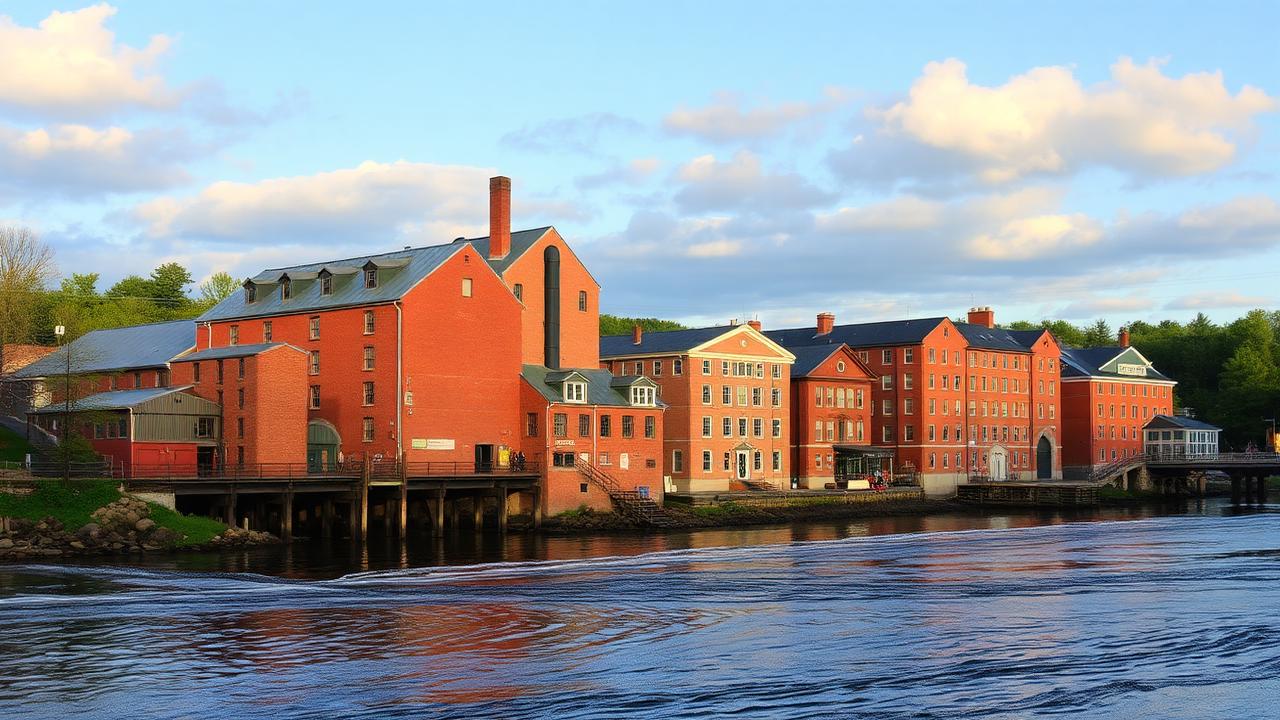
Old mill-town housing along the Androscoggin River, harsh Maine winters, and dense multifamily blocks keep rodent and overwintering pest calls steady all year. Our AI systems capture every Lewiston call while your crews cover Androscoggin County.
Typical Lewiston implementation goes live in about 30-90 days.
Maine's former textile hub along the Androscoggin River combines old multifamily housing with a demanding winter season.
Downtown Lewiston triple-deckers and rowhouses near the river let mice and rats move between shared basements, keeping landlord calls steady.
Riverside neighborhoods see elevated humidity feeding ant and mosquito complaints through the warmer months.
Cluster flies, stink bugs and rodents seek warmth indoors as temperatures drop, spiking calls from September through November.
Old textile mills converted to housing and small businesses need pest management spanning both uses in the same structure.
We configure around river-driven moisture pests, multifamily volume, and Maine's harsh overwintering season.
Voice AI answers around the clock through the fall rush, gathering structure details so crews know exclusion versus trapping needs.
See Voice AIMessaging AI confirms access across shared-basement buildings and mixed-use mill properties.
See Messaging AIThe AI Sales System routes converted mill business tenants for fast attention ahead of routine residential jobs.
See the AI Sales SystemWant to see what this looks like against your own Lewiston call volume? We will walk through it on a 30-minute call.
Book a Discovery CallService areas from Lewiston out through Auburn, Lisbon and Sabattus are configured during onboarding.
We have a deep, purpose-built FieldRoutes integration, and over 1,000 API connections available for everything else, so your Lewiston operation keeps one source of truth instead of four.
All third-party product names, logos, and brands are property of their respective owners. Use of these names does not imply endorsement or affiliation.
Lewiston operators work a market shaped by old mill housing along the Androscoggin and a demanding Maine winter. AI intake keeps every river-driven, multifamily, and overwintering-season call accounted for.
Deciding whether AI is right for your business at all is a separate question from which market you are in. We answer it honestly, including when the answer is not yet, in our AI decision guides, starting with should I use AI in my pest control business.
Lewiston's call volume tracks the Androscoggin River's seasonal humidity swings and the hard freeze-thaw cycle of a Maine winter. Crews plan around a spring rodent tail, a summer moisture-pest stretch, and a sharp fall overwintering surge.
As snowmelt raises the Androscoggin River and saturates low-lying yards near Lisbon Street and the Longley Bridge area, spring brings a tail end of rodent activity as mice that moved into basements over winter start foraging again. Carpenter ant swarmers also emerge in older Little Canada triple-deckers with moisture-damaged sills. Landlords along Bartlett Street and Pine Street report the first ant calls of the year, and crews shift from strictly trapping work back toward exclusion and moisture inspections before the summer humidity sets in.
Summer humidity off the Androscoggin and the Sabattus Street corridor's shaded, older lots keeps ant and mosquito complaints steady through August. Standing water near the Bardwell Street mill canals and backyard drainage issues in Auburn across the river both feed mosquito breeding. Yellowjacket nests in eaves of converted mill housing near Canal Street also pick up as temperatures peak, and commercial tenants in mill-building storefronts start calling about fruit flies and drain flies tied to summer foot traffic.
This is Lewiston's busiest stretch. Cluster flies, boxelder bugs and stink bugs push into gaps around old mill-building windows and triple-decker siding as nights cool, generating a steady wave of calls from Little Canada through Sabattus Street. Rodents follow the same pattern, working into shared basements ahead of the first hard frost. Crews typically see volume climb sharply in late September and stay elevated through November as homeowners and landlords react to the season's first cold snaps.
Once winter sets in, calls shift almost entirely to rodents that made it indoors during the fall push. Downtown Lewiston's older multifamily stock, with shared basements and utility chases running between units, keeps mice and rats moving building to building even in deep cold. Overwintering insects that got inside in October and November also reappear on warm days as cluster flies and stink bugs stir near sunny windows, generating occasional callback requests through February.
Bald-faced hornets and paper wasps begin building nests under the eaves of triple-deckers along College Street and Nutting Street just as Bates College wraps its spring semester, and property managers coordinate exterior treatment around student move-out to avoid disturbing occupied units. Termite swarmers also appear on humid afternoons near older wood-frame homes bordering Kennedy Park, generating inspection requests distinct from the carpenter ant activity happening the same weeks along Lisbon Street.
Stretches of high heat and humidity push German cockroach activity in older multi-unit kitchens near Lincoln Street and the Tree Street neighborhood, where shared walls and aging plumbing give roaches easy movement between units. Central Maine Medical Center and nearby commercial kitchens along Main Street also request midsummer inspections to stay ahead of health-code visits, since a single roach sighting in a shared stairwell can trigger complaints across an entire building.
Lewiston's compact mill-town core and river crossings shape how efficiently a route can be built. Crews balance downtown density against outlying stops in Auburn, Lisbon and Sabattus.
Downtown Lewiston jobs cluster tightly around Lisbon Street, Main Street and Canal Street, letting crews knock out several triple-decker stops without much drive time. But any job that crosses the Androscoggin into Auburn via the Longley Bridge or Court Street Bridge adds real time during commuter hours, so dispatchers try to batch Auburn stops together rather than bouncing back and forth across the river mid-shift.
Jobs in Lisbon, Sabattus and Turner run out along Route 126 and Route 196, which are two-lane roads without much passing room. A single rural stop for a barn or outbuilding call can eat 25-30 minutes each way, so those are typically scheduled as the first or last stop of the day rather than sandwiched between downtown appointments.
Triple-deckers and converted mill buildings in Little Canada and along Sabattus Street often have shared basements serving multiple units, meaning a single rodent call can turn into a building-wide inspection once the tech is on site. Crews plan extra time buffer for these calls compared to a single-family stop in Auburn's suburban tracts.
Because cluster fly and rodent calls spike hard from late September through November, Lewiston operators typically add temporary route capacity or extend technician hours during that window rather than year-round, since December through August volume doesn't justify the same staffing level.
Converted mill properties like Bates Mill and the Hill Mill complex mix residential lofts with small businesses and require pest technicians to coordinate two different access schedules within the same building, often on the same visit. Central Maine Medical Center and nearby clinics along Main Street also carry stricter documentation requirements than residential accounts, since any pest sighting in a patient-care area triggers mandatory reporting that adds paperwork beyond a standard service ticket.
Lewiston's shared-basement triple-deckers and mill-building crawlspaces require a different troubleshooting approach than the single-family stock in Auburn's suburban tracts, and a technician who has learned the quirks of a specific Little Canada block is difficult to replace quickly. Competing against manufacturing shift work at nearby plants for entry-level labor means operators who offer predictable schedules outside the fall surge have an easier time keeping trained techs through the slower winter months.
More reading for operators working Lewiston, ME and the markets around it.
Location-specific guides written for the pest pressure, routes, and customer behavior of this market.
A short one-pager on the Lewiston market, the systems we build for operators here, and how implementation runs, written to be printed and passed around.
Last updated 2026-09-17
Try the messaging AI that answers texts, webchat, and social for pest control teams.
Start a ChatUse our free pest control AI assistant today, no contract, no setup call.
Try PestGPT FreePull last September through November. We'll show you how many cluster fly and rodent calls came in after hours and never got a callback.
The Maine guide covers statewide pest pressure, licensing and call patterns, and links every Maine city guide we publish, including this one.