
What is the best pest control software for New Hampshire operators?
Short answer
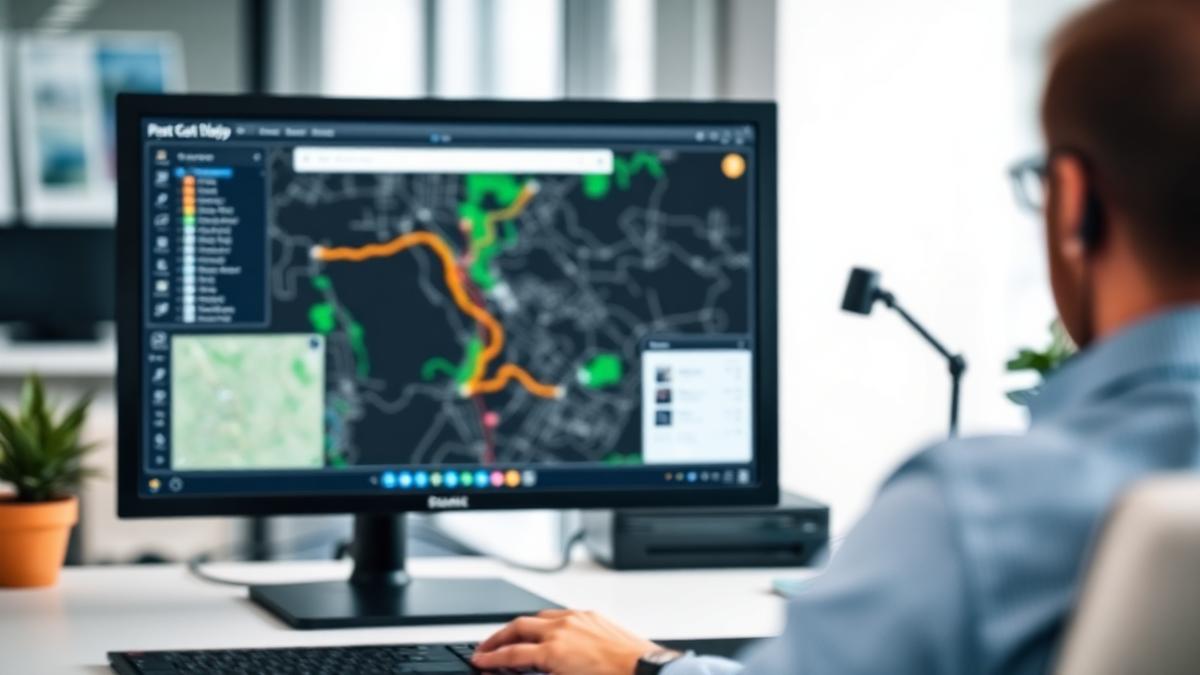
The best software setup for New Hampshire operators combines FieldRoutes for back-of-house operations with Pest AI systems for front-of-house intake and sales automation. FieldRoutes manages technician routing, invoicing, and recurring billing along the I-93 and Route 3 corridors, while Pest AI captures inbound leads instantly, automates tick and rodent estimates, and syncs two-way with the back end. This split architecture prevents missed calls during short spring rushes and optimizes route density across spread-out mountain and lake territories.
The front-of-house and back-of-house architecture for New Hampshire
New Hampshire pest control operators often search for a single all-in-one software package to handle every aspect of their operations. In practice, relying on a single platform to manage operational field dispatch alongside high-velocity inbound sales leads creates severe operational bottlenecks. The most successful operators across New Hampshire split their operational stack into two specialized layers. On the back-of-house side, field service managers rely on FieldRoutes to control technician dispatching, route optimization along the I-93 corridor, customer invoicing, and recurring billing histories. FieldRoutes excels at managing field logistics, but back-of-house systems are not designed to nurture web leads, answer calls instantly after hours, or execute automated follow-up campaigns. That is why front-of-house intake belongs in dedicated AI systems. Pest AI acts as an implementation partner, building a custom front-of-house layer that handles instant lead capture, automated qualification, and immediate quoting. By connecting Pest AI directly to FieldRoutes via a real-time two-way sync, incoming leads move smoothly from initial inquiry to scheduled field service without manual office entry. This split architecture ensures that office staff spend zero time copying phone numbers or addresses between screens, allowing technicians in Manchester and Nashua to stay focused on service delivery while the AI Sales System fills empty route slots.
- FieldRoutes delivers robust back-of-house dispatch, route density optimization, and recurring billing
- Pest AI provides specialized front-of-house automated sales intake, instant response, and lead qualification
- Real-time bidirectional synchronization eliminates administrative double-entry across office tools
- Separating front and back operations maximizes customer acquisition while maintaining lean office overhead
Winning the tight spring tick and carpenter ant intake window
The residential pest control season in New Hampshire opens rapidly between March and June when deer tick pressure surges throughout wooded neighborhoods surrounding Salem, Derry, and Concord. Homeowners treat tick control as an urgent health issue for children and pets, meaning the first operator to answer an inquiry almost always secures the seasonal contract. If an office line goes to voicemail during a busy April afternoon, that homeowner immediately calls the next company on Route 3. Front-of-house AI systems eliminate missed opportunities by responding instantly to phone calls, web forms, and chat messages around the clock. During this same window, damp winter snowmelt triggers carpenter ant activity along shaded roof lines and damp window sills throughout the Seacoast and Monadnock regions. The AI Sales System, known as PestCRM, calculates service estimates using property parameters and delivers automated SMS and email confirmations within seconds. To capture offline homeowners in rural tracts, integrated PestMail direct mail campaigns automatically deploy targeted physical letters to neighboring properties whenever a tick or carpenter ant service is booked. This synchronized multi-channel intake secures high-margin spring recurring plans before competitors even finish returning their morning voicemails.
- 24/7 instant response captures high-intent tick control inquiries during the March-to-June surge
- Automated pricing logic calculates instant estimates based on property acreage and canopy cover
- PestMail direct mail targets surrounding wooded lots to build dense neighborhood spray routes
- Automated follow-up workflows convert single-service ant inquiries into recurring annual programs
Navigating historic housing, fieldstone foundations, and exclusion sales
Selling pest control across Manchester, Dover, and Portsmouth requires addressing unique architectural challenges that standard software forms cannot capture. Historic New Hampshire homes built with balloon framing, fieldstone foundations, and stacked stone basements offer endless entry points for mice and rats. Field technicians cannot solve these infestations with simple exterior bait stations; success requires selling comprehensive inspection and structural exclusion services. Generic online booking widgets fail here because they try to sell flat-rate rodent treatments without evaluating structural complexity. Pest AI configures front-of-house intake rules that educate homeowners on why an initial inspection is necessary for older construction. When a prospect from an 1890s colonial requests rodent service, the AI Sales System asks targeted questions about foundation type, home additions, and active sign location. The system then schedules an inspection appointment in FieldRoutes while setting accurate customer expectations regarding exclusion pricing. By identifying structural age during the initial intake, office staff avoid sending technicians out on mispriced jobs. Instead, technicians arrive at fieldstone foundations prepared with appropriate exclusion materials, higher service rates, and clear scope documentation, transforming complex historic housing challenges into stable, highly profitable rodent control contracts.
- Intake workflows distinguish pre-1900 fieldstone foundations from modern slab construction
- Automated questions prompt homeowners on structural age and known addition seam locations
- Schedules dedicated rodent inspection slots rather than promising low flat-rate treatments
- Establishes realistic exclusion expectations to increase contract closing rates in historic neighborhoods
Managing unoccupied Lakes Region and White Mountain properties
Managing routes across the Lakes Region around Laconia and Wolfeboro or up into North Conway and the White Mountains presents distinct operational obstacles. Second homes, short-term rentals, and seasonal waterfront properties dominate these markets, meaning homeowners are rarely present when technicians arrive. Legacy operational software relies heavily on phone calls to coordinate gate codes, door lock combinations, and property access, resulting in wasted drive time when owners do not answer. Front-of-house AI systems resolve these communication delays by automating property access verification long before the technician hits the road. When a seasonal customer schedules service, PestCRM automatically requests lockbox codes, remote gate credentials, and written pre-authorization via text or email. Once gathered, these details populate directly into the customer profile inside FieldRoutes. Additionally, long North Country drive times require strict territory scheduling to maintain profitability. The front-of-house layer restricts booking for distant lake properties to specific dedicated territory days, preventing technicians based in southern hubs from driving up I-93 for a single isolated service call. Automated pre-service communications ensure technicians complete treatments efficiently without waiting at locked lakehouse gates.
- Automated digital workflows collect gate credentials, lockbox codes, and written pre-authorizations
- Territory-based booking rules constrain distant North Country stops to dedicated route days
- Seamless sync pushes access details into FieldRoutes job notes prior to dispatch
- Reduces deadhead drive time and missed appointments across spread-out seasonal markets
Two-way synchronization between AI systems and FieldRoutes
The true power of modern pest control technology lies in seamlessly connecting front-of-house lead conversion with back-of-house route management. Pest AI operates as an implementation partner, custom-building two-way integrations that link front-of-house AI systems with FieldRoutes. When a prospective customer submits an inquiry or speaks with an AI intake agent, PestCRM captures contact details, property square footage, service preferences, and pest issues. The system immediately checks real-time calendar availability inside FieldRoutes, offering the prospect valid service windows that align with existing route density in their specific zone, whether in Keene, Hanover, or Nashua. Once the customer selects a time, the record creates a customer profile and work order directly in FieldRoutes without human intervention. Conversely, when field technicians update service notes, complete treatments, or add structural recommendations in FieldRoutes, that data flows back to the AI Sales System. If a technician notes an unserviced woodpile or an unsealed bulkhead, PestCRM can automatically trigger follow-up communications or dispatch PestMail direct mail offers for supplemental treatments. This bidirectional data exchange eliminates duplicate data entry, cuts administrative overhead, and keeps customer information perfectly synchronized across sales and field operations.
- Real-time calendar lookup presents prospects with service times that build existing route density
- Automated creation of customer accounts and work orders inside FieldRoutes without manual entry
- Field technician notes in FieldRoutes automatically trigger intelligent sales follow-ups in PestCRM
- PestMail integration deploys targeted postal mailings based on completed service field data
Transitioning winter revenue shifts into year-round profitability
When winter cold arrives in late October across New Hampshire, exterior perimeter sprays drop off sharply as ground freezes and snow accumulates across the Upper Valley and Capital Region. Operators who rely solely on spring barrier sprays suffer severe off-season revenue declines if their sales processes do not adapt to shifting pest behaviors. Front-of-house AI systems solve this seasonality problem by dynamically shifting intake messaging as temperatures fall. Instead of advertising exterior ant and tick barriers, PestCRM automatically updates digital channels to emphasize interior rodent trapping, attic exclusion, and wildlife management. The AI Sales System proactively engages existing customer databases via automated text and email campaigns, promoting winterization inspections for fieldstone basements and attached garages. When homeowners discover mice seeking shelter from winter cold, the system provides immediate round-the-clock responses, scheduling interior inspections while office staff are off duty. Furthermore, automated cross-selling workflows utilize PestMail direct mail to reach seasonal property owners in early winter, offering off-season monitoring services while their lake houses remain vacant. By automating off-season outreach and adapting intake logic to seasonal shifts, New Hampshire operators maintain consistent recurring cash flow throughout the coldest months.
- Intake messaging automatically rotates from exterior barrier sprays to interior rodent exclusion
- Database reactivation campaigns fill winter calendars with basement and attic inspection bookings
- PestMail direct mail targets vacant second-home owners with winter monitoring packages
- 24/7 intake captures emergency winter rodent inquiries during freezing weather spells
Signals to check in your own New Hampshire numbers
- Unanswered call rate during the April-to-June spring tick rush
- Average exclusion job ticket price on pre-1900 fieldstone foundation homes
- Percentage of Lakes Region and White Mountains accounts with saved gate codes and remote pre-authorizations
- Technician drive time per stop on North Country and Upper Valley routes
- Winter interior rodent conversion rate from inactive seasonal accounts
Where this leads
For most New Hampshire operators this decision points at the FieldRoutes integration. We are an implementation partner, not a DIY platform, we build the AI systems around how your state actually behaves, hand them over documented, and your team runs them. The national version of this question, without the state specifics, is covered in our AI guide.
New Hampshire questions we get asked
More New Hampshire guides
- Should you use AIShould I use AI in my New Hampshire pest control business?
- Will customers talk to AIWill pest control customers in New Hampshire talk to AI?
- Best AI for pest controlWhat is the best AI for pest control in New Hampshire?
- Speed to leadHow can New Hampshire pest control companies win with speed-to-lead?
- Local marketingHow should pest control companies in New Hampshire market themselves locally?
- Reviews & reputationHow can New Hampshire pest control companies get more reviews and protect their reputation?
- Seasonal playbookWhat is the seasonal pest control playbook for New Hampshire?
- Commercial AIHow does AI help commercial pest control accounts in New Hampshire?
- Hiring vs AIShould New Hampshire pest control operators hire office staff or use AI?
Best software stack city by city in New Hampshire
Want a straight read on your own New Hampshire numbers? A discovery call is a conversation, not a demo, and we will tell you if you are better off waiting.
Book a Discovery Call