
State-government and downtown commercial buildings need scheduled service
Office buildings near the State House and downtown Main Street require regular inspections and fast response to avoid tenant and public complaints.
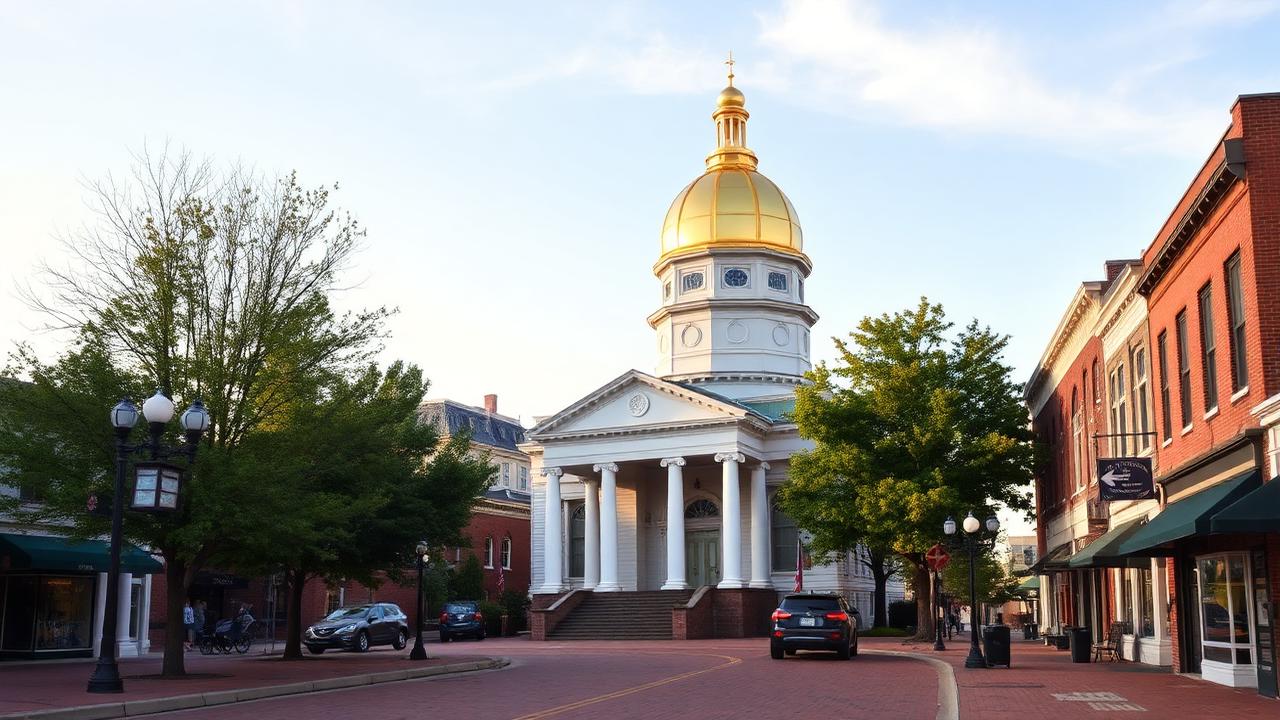
A state-capital commercial core, older downtown housing, and New Hampshire's long, cold winters keep rodent and overwintering pest calls steady all year. Our AI systems capture every call while your crews cover Merrimack County.
Typical Concord implementation goes live in about 30-90 days.
New Hampshire's capital city combines state-government commercial buildings with older residential neighborhoods, producing steady year-round demand.
Office buildings near the State House and downtown Main Street require regular inspections and fast response to avoid tenant and public complaints.
Aging wood-frame homes with basements provide easy rodent entry points, especially as temperatures drop each fall across Concord.
Cluster flies and stink bugs seek warmth indoors as temperatures fall, spiking calls from September through November across Concord.
Riverside neighborhoods see elevated humidity feeding ant and mosquito complaints through the warmer months across Concord.
We configure around commercial government accounts, older-housing rodent volume, and fall overwintering demand.
Voice AI answers around the clock and routes commercial inspection requests separately from residential intake.
See Voice AIMessaging AI confirms access for basement and crawl-space work in South End and West Concord homes.
See Messaging AIThe AI Sales System tracks seasonal volume patterns so crews can plan capacity ahead of the fall rush.
See the AI Sales SystemWant to see what this looks like against your own Concord call volume? We will walk through it on a 30-minute call.
Book a Discovery CallService areas from Concord out through Bow, Hopkinton and Pembroke are configured during onboarding.
We have a deep, purpose-built FieldRoutes integration, and over 1,000 API connections available for everything else, so your Concord operation keeps one source of truth instead of four.
All third-party product names, logos, and brands are property of their respective owners. Use of these names does not imply endorsement or affiliation.
Concord operators work a market shaped by state-government commercial demand and older residential neighborhoods. AI intake keeps every commercial, residential, and overwintering-season call accounted for.
Deciding whether AI is right for your business at all is a separate question from which market you are in. We answer it honestly, including when the answer is not yet, in our AI decision guides, starting with should I use AI in my pest control business.
Concord's call volume follows the rhythm of a state-capital business district paired with older residential neighborhoods along the Merrimack River. Crews plan around a spring thaw, a riverside summer stretch, and a sharp fall overwintering surge tied to New Hampshire's cold season.
As the Merrimack River rises with snowmelt, low-lying yards in West Concord and along the Riverside neighborhoods see the tail end of winter rodent activity as mice already indoors keep foraging. Older wood-frame homes in South End with moisture-softened sills report the year's first carpenter ant swarms. Downtown, State House-area office managers begin scheduling spring inspections ahead of public foot traffic picking up, and crews shift from trapping toward exclusion and foundation checks.
Merrimack River humidity keeps ant and mosquito complaints steady through summer in Riverside-adjacent yards and around Penacook's mill-town lots. Standing water in older storm drains near South Main Street contributes to mosquito breeding, while downtown commercial kitchens and office buildings near the State House report drain flies and occasional ant trails tied to summer foot traffic. Yellowjacket nests in eaves of older South End homes also pick up as temperatures peak in July and August.
This is Concord's busiest stretch. Cluster flies, boxelder bugs and stink bugs push into gaps around older South End and West Concord siding as nights cool, while downtown commercial buildings near Main Street request pre-winter inspections to head off tenant complaints. Rodents follow the same pattern, working into basements ahead of the first hard frost. Volume climbs sharply in late September and stays elevated through November as both residential and commercial accounts react to the season's first cold snaps.
Winter calls shift almost entirely to rodents that made it indoors during the fall push. Concord's older wood-frame housing stock in South End, West Concord and Penacook keeps mice moving through basements and crawl spaces even in deep cold, while State House-area commercial buildings maintain scheduled winter service to protect against public-facing complaints. Overwintering insects that got inside in October also reappear on sunny windowsills, generating occasional callback requests through February.
As frost leaves the ground along the Merrimack River in March, carpenter ants become active in moisture-damaged sills of Penacook's older mill-worker housing and South End duplexes where wood-to-soil contact has gone unaddressed for years. Downtown commercial kitchens near Main Street also see early-season drain fly complaints as winter grease buildup in older plumbing thaws. Property managers request combined ant and drain-fly inspections before spring events bring more foot traffic downtown.
Bald-faced hornets and yellowjackets build nests aggressively through August in the mature shade trees of White Park and along residential streets in West Concord, prompting a steady run of removal calls. Silverfish also become more common in the humid basements of older South End homes as summer moisture works into brick foundations. State House-area facilities staff schedule exterior wasp checks ahead of fall public events held on the capitol grounds.
Concord's mix of a compact downtown government core, older residential rings, and outlying towns along I-93 and Route 9 shapes how routes get built. Dispatchers balance commercial-account reliability against residential density.
State House-area and Main Street commercial stops cluster tightly downtown, letting crews handle several inspections without much drive time between them. But jobs out toward Bow via I-93 South or Hopkinton via Route 202/9 add real time, especially during commuter hours, so dispatchers try to batch those outlying stops together rather than crossing back downtown mid-shift.
Older wood-frame duplexes and single-family homes in South End and West Concord often have shared or adjacent basement access with older foundations, so a rodent call in one home sometimes leads to inspecting an attached or neighboring structure. Crews build extra time buffer into these stops compared to newer construction in Bow's suburban tracts.
Office buildings and state facilities near the State House require reliable, recurring inspection slots to avoid public-facing complaints, so these accounts get locked into fixed weekly or monthly routes rather than the more flexible scheduling used for residential work.
Because cluster fly and rodent calls spike hard from late September through November across both downtown commercial accounts and older residential neighborhoods, Concord operators typically add temporary route capacity or extend technician hours during that window rather than year-round.
Several South End and Penacook duplexes and small apartment buildings are owned by out-of-town landlords who rely on local property managers to schedule access, meaning a single rodent call often requires coordinating entry to more than one unit through a third party rather than the tenant directly. Messaging AI keeps these access confirmations tracked by building and unit so a manager overseeing multiple Concord properties can follow status without juggling separate phone threads for each address.
Heavy Nor'easters moving through Merrimack County force same-day cancellations for exterior treatments and crawl-space work, particularly for older South End and West Concord homes where snow can block basement bulkhead access entirely. The AI Sales System flags weather-affected appointments and begins rebooking outreach once conditions clear, which keeps the fall overwintering surge from compounding into a backlog after a single storm shuts down a day of routes.
More reading for operators working Concord, NH and the markets around it.
Location-specific guides written for the pest pressure, routes, and customer behavior of this market.
A short one-pager on the Concord market, the systems we build for operators here, and how implementation runs, written to be printed and passed around.
Last updated 2026-09-17
Try the messaging AI that answers texts, webchat, and social for pest control teams.
Start a ChatUse our free pest control AI assistant today, no contract, no setup call.
Try PestGPT FreePull last September through November. We'll show you how many Concord cluster fly and rodent calls came in after hours and never got a callback.
The New Hampshire guide covers statewide pest pressure, licensing and call patterns, and links every New Hampshire city guide we publish, including this one.