
Old mill-town multifamily housing keeps rodent pressure high across Rochester
Downtown Rochester triple-deckers and duplexes let mice and rats move between shared basements, keeping landlord calls steady.
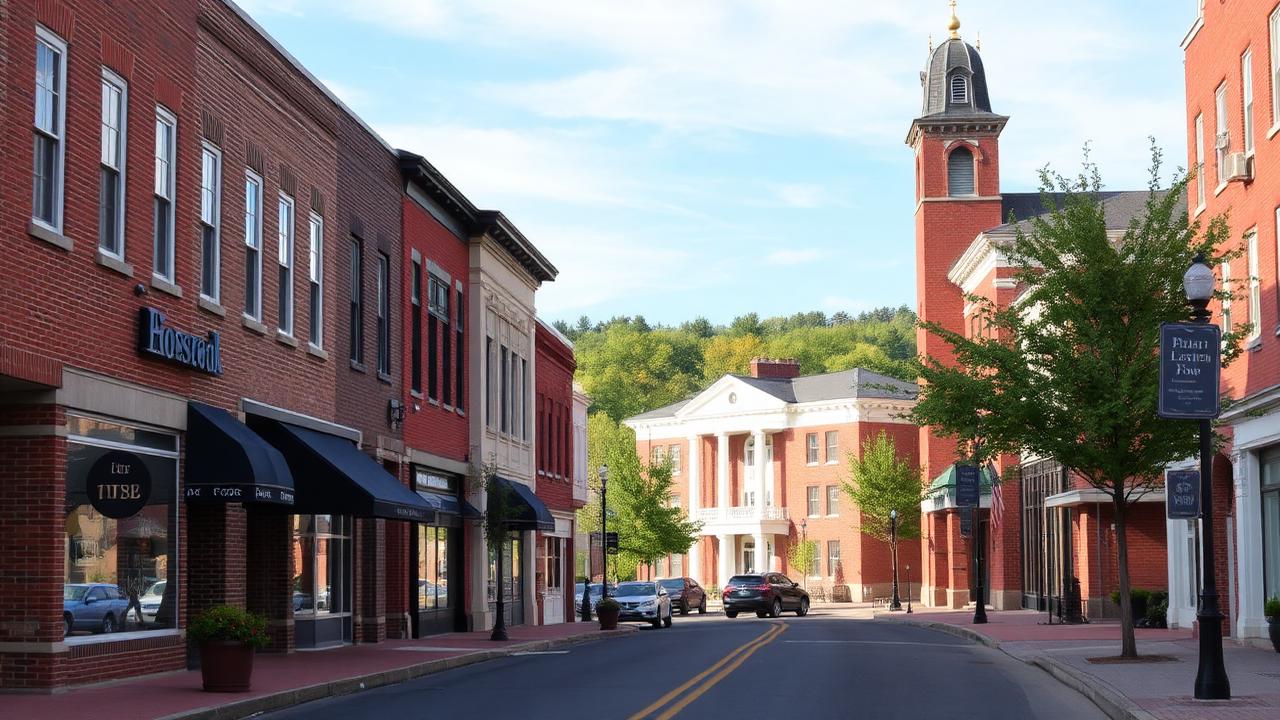
Old mill-town housing, rural outskirts with farms and wooded lots, and New Hampshire's long winters keep rodent and wildlife calls steady year-round. Our AI systems capture every Rochester call while your crews cover Strafford County.
Typical Rochester implementation goes live in about 30-90 days.
A former shoe and textile mill city, Rochester pairs dense old downtown housing with surrounding farmland and wooded suburban lots.
Downtown Rochester triple-deckers and duplexes let mice and rats move between shared basements, keeping landlord calls steady.
Farmland and wooded lots on Rochester's edges see field mice, voles and occasional raccoon or skunk complaints tied to outbuildings.
Cluster flies and stink bugs seek warmth indoors as temperatures fall, spiking calls from September through November across Rochester.
Old textile mills converted to housing and small businesses need pest management spanning both uses in the same structure across Rochester.
We configure around mill-town multifamily volume, rural wildlife calls, and fall overwintering demand.
Voice AI answers around the clock through the fall rush, gathering structure details so crews know exclusion versus trapping needs.
See Voice AIMessaging AI confirms access to outbuildings and rural properties before crews make the trip.
See Messaging AIThe AI Sales System routes converted mill business tenants for fast attention ahead of routine residential jobs.
See the AI Sales SystemWant to see what this looks like against your own Rochester call volume? We will walk through it on a 30-minute call.
Book a Discovery CallService areas from Rochester out through Somersworth, Farmington and Milton are configured during onboarding.
We have a deep, purpose-built FieldRoutes integration, and over 1,000 API connections available for everything else, so your Rochester operation keeps one source of truth instead of four.
All third-party product names, logos, and brands are property of their respective owners. Use of these names does not imply endorsement or affiliation.
Rochester operators work a market spanning old mill-town housing and surrounding rural land. AI intake keeps every multifamily, rural wildlife, and overwintering-season call accounted for.
Deciding whether AI is right for your business at all is a separate question from which market you are in. We answer it honestly, including when the answer is not yet, in our AI decision guides, starting with should I use AI in my pest control business.
Rochester's call volume shifts between its dense mill-town downtown and the surrounding farmland along Route 11 and Route 202. Crews plan around a spring thaw, a rural summer stretch, and a sharp fall overwintering surge tied to New Hampshire's long winters.
Snowmelt around the Cocheco River and low-lying fields off Chestnut Hill Road wakes up field mice and voles that spent winter under snow cover, sending rural landowners calling as the ground thaws. In downtown Rochester's older triple-deckers near North Main Street, carpenter ants swarm from moisture-softened sills and porches. Landlords managing East Rochester duplexes report the season's first ant and rodent calls, and crews shift from winter trapping work toward exclusion and yard-drainage inspections before summer arrives.
Farmland and wooded lots on Rochester's outskirts, especially toward Farmington and Milton, bring steady wildlife-adjacent calls: raccoons and skunks nosing around outbuildings, plus a rise in wasp and yellowjacket nests in barn eaves. Downtown, the Cocheco River's summer humidity keeps mosquito and ant complaints elevated in Gonic and along Wakefield Street. Commercial tenants in converted mill space near the downtown core also report drain flies and fruit flies tied to summer foot traffic.
This is Rochester's busiest stretch. Cluster flies, boxelder bugs and stink bugs push into gaps around old mill-building windows and rural farmhouse siding alike as nights cool, driving calls from both downtown triple-deckers and outlying Farmington properties. Rodents follow the same pattern, working into basements and barn foundations ahead of the first hard frost. Volume climbs sharply in late September and stays elevated through November as both landlords and rural homeowners react to the first cold snaps.
Winter calls shift almost entirely to rodents that made it indoors during the fall push. Downtown Rochester's shared-basement multifamily buildings keep mice and rats moving unit to unit even in deep cold, while rural properties near Milton and Farmington see field mice and the occasional vole working into unheated barns and sheds. Overwintering insects that got inside in October also reappear on sunny windowsills, generating occasional callback requests through February.
January thaws followed by hard refreezes along the Cocheco River push rodents out of flooded burrows near Gonic and into nearby basements and crawlspaces, creating a secondary rodent bump distinct from the fall surge. Older mill housing near the river, with foundations dating to the 1800s textile era, sees the heaviest activity as gaps around ancient stone footings offer easy entry. Rural landowners near Chestnut Hill Road report similar activity in unheated barns as field mice seek any warmer alternative to flooded fields.
Warming soil in April brings subterranean termite swarmers out of foundations in Rochester's oldest neighborhoods, particularly triple-deckers near downtown with wood-frame additions built directly against damp soil. Somersworth and Farmington report fewer swarms overall, since newer construction on the outskirts uses more consistent foundation barriers, but older farmhouses near tree lines still see occasional activity. Home sales in the historic mill district often trigger termite inspection requests tied to financing deadlines.
Rochester's tight mill-town downtown and its wide rural outskirts pull crews in opposite directions. Dispatchers balance dense East Rochester and Gonic stops against long hauls toward Farmington and Milton.
Jobs clustered around North Main Street, Wakefield Street and the downtown core let crews stack several stops close together. But a call out toward Farmington via Route 11 or Milton via Route 125 can easily add 25-35 minutes each way, so dispatchers try to schedule those as bookend stops rather than mid-day detours that eat into the rest of the route.
Duplexes and triple-deckers in Gonic and East Rochester often share basements or utility chases between units, so a single rodent complaint can turn into a building-wide inspection once a tech is on site. Crews build in extra time buffer for these stops compared to a single-family call in the rural outskirts.
Farm and wooded-lot calls near Milton and Farmington often involve multiple outbuildings, fence lines and unmarked driveways, so techs need more time on site than a typical in-town visit. Messaging AI confirming gate codes and access points ahead of time helps keep these calls from running over.
Because cluster fly and rodent calls spike hard from late September through November across both the mill-town core and rural outskirts, Rochester operators typically add temporary route capacity or extend hours during that window rather than year-round, since December through August demand does not justify the same staffing level.
Small businesses and offices occupying converted mill buildings downtown often request pest service scheduled around their own operating hours, which can mean early-morning or evening visits distinct from the residential units in the same building. Coordinating both the commercial tenant's schedule and the residential landlord's access needs within one property adds a layer of scheduling complexity that a standard single-family route does not require.
Nor'easters and lake-effect snow bands that move through Strafford County can make Route 11 toward Farmington or Route 125 toward Milton impassable for hours, forcing same-day cancellations on rural wildlife and exclusion calls. Dispatchers who keep downtown Rochester and East Rochester stops as a fallback route for snow days avoid losing an entire day's revenue when the rural half of the route becomes inaccessible.
More reading for operators working Rochester, NH and the markets around it.
Location-specific guides written for the pest pressure, routes, and customer behavior of this market.
A short one-pager on the Rochester market, the systems we build for operators here, and how implementation runs, written to be printed and passed around.
Last updated 2026-09-17
Try the messaging AI that answers texts, webchat, and social for pest control teams.
Start a ChatUse our free pest control AI assistant today, no contract, no setup call.
Try PestGPT FreePull last September through November. We'll show you how many Rochester cluster fly and rodent calls came in after hours and never got a callback.
The New Hampshire guide covers statewide pest pressure, licensing and call patterns, and links every New Hampshire city guide we publish, including this one.