
Converted mill buildings bring mixed residential-commercial pest needs across Dover
Old textile mills along the Cocheco River converted to apartments and businesses need pest management spanning both uses in the same structure.
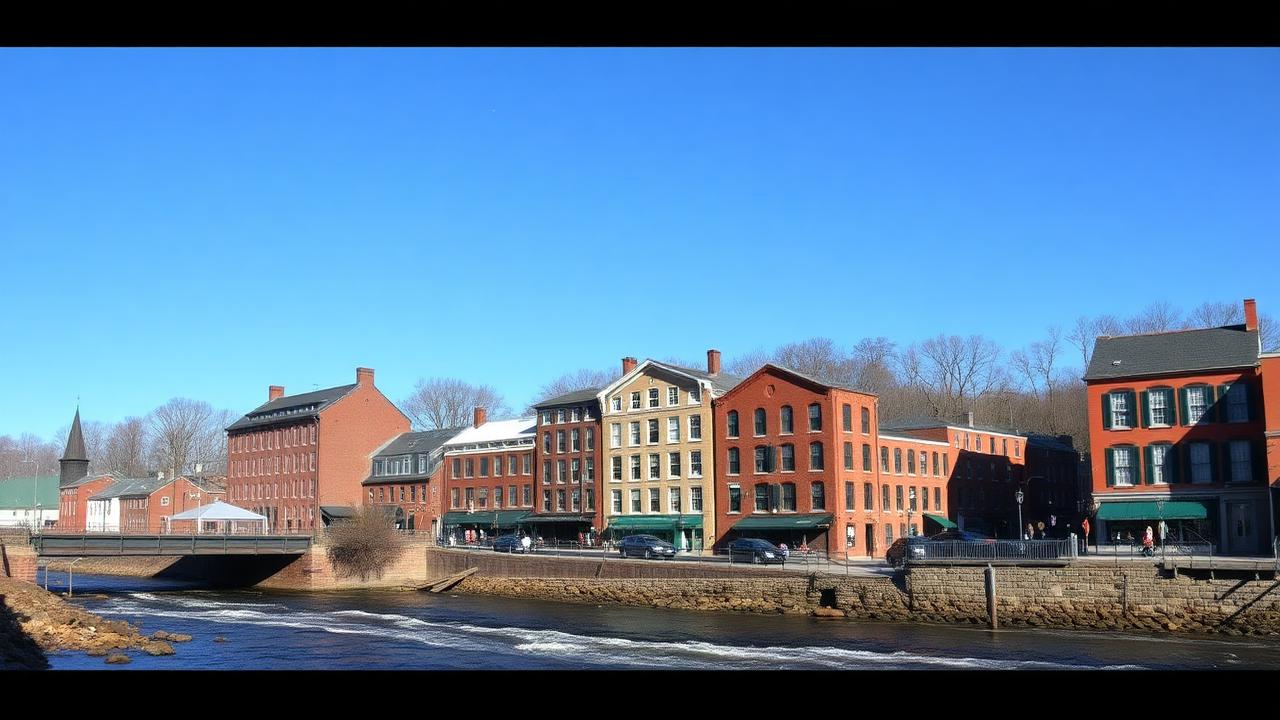
Converted mill buildings along the Cocheco River, growing suburban neighborhoods, and New Hampshire's long winters keep rodent and moisture-pest calls steady year-round. Our AI systems capture every call while your crews cover Strafford County.
Typical Dover implementation goes live in about 30-90 days.
One of America's oldest settlements, Dover pairs a historic mill district along the Cocheco River with growing suburban development.
Old textile mills along the Cocheco River converted to apartments and businesses need pest management spanning both uses in the same structure.
Riverside neighborhoods see elevated humidity feeding ant and mosquito complaints through the warmer months across Dover.
Newer neighborhoods on Dover's outskirts see ant, spider and occasional termite inspection requests as development continues.
Cluster flies and stink bugs seek warmth indoors as temperatures fall, spiking calls from September through November across Dover.
We configure around mill-building complexity, river-driven moisture pests, and fall overwintering demand.
Voice AI answers around the clock and gathers building details so crews know if it's a mill conversion or a traditional home.
See Voice AIMessaging AI confirms access across mixed residential and commercial tenants in converted mill properties.
See Messaging AIThe AI Sales System tracks seasonal volume patterns so crews can plan capacity ahead of the fall rush.
See the AI Sales SystemWant to see what this looks like against your own Dover call volume? We will walk through it on a 30-minute call.
Book a Discovery CallService areas from Dover out through Somersworth, Rochester and Durham are configured during onboarding.
We have a deep, purpose-built FieldRoutes integration, and over 1,000 API connections available for everything else, so your Dover operation keeps one source of truth instead of four.
All third-party product names, logos, and brands are property of their respective owners. Use of these names does not imply endorsement or affiliation.
Dover operators work a market shaped by a historic mill district along the Cocheco River and growing suburban development. AI intake keeps every mill-conversion, river-driven, and overwintering-season call accounted for.
Deciding whether AI is right for your business at all is a separate question from which market you are in. We answer it honestly, including when the answer is not yet, in our AI decision guides, starting with should I use AI in my pest control business.
Dover's call patterns follow the Cocheco River's moisture and the long stretch of New England's overwintering pest season more than a typical four-season template. Four windows drive the sharpest shifts in crew workload.
As snowmelt saturates the ground along the Cocheco River near the historic mill district, carpenter ants become active in older wood-frame homes throughout Garrison City and the streets surrounding downtown. Converted mill buildings see a rise in general pest complaints as tenants return from winter and notice activity that built up in unheated common areas. Spring also brings the first termite swarmer sightings in newer subdivisions on Dover's outskirts, prompting inspection requests from homeowners unfamiliar with the signs.
Riverside neighborhoods near the Cocheco see elevated humidity that keeps mosquito and ant activity high through midsummer, with standing water in low-lying yards near Ham Brook drawing repeat complaints. Wasps and hornets build nests in the eaves of both historic homes downtown and newer construction on the city's edges. Commercial tenants in converted mill space along Central Avenue request increased pest service frequency during peak summer foot traffic at ground-floor retail and restaurant units.
As temperatures drop through Strafford County, cluster flies and stink bugs begin seeking entry into homes with south-facing walls, particularly older farmhouses on Dover's rural fringe near Durham and Rochester. Suburban subdivisions built in the past decade see new-construction termite inspection requests as buyers close on homes before winter. Mill-building property managers begin winterizing common areas, often bundling pest exclusion work with other seasonal maintenance.
New Hampshire's long, cold winters push cluster flies and stink bugs into wall voids and attic spaces throughout Dover's older housing stock, while mice seek entry into both historic downtown buildings and newer homes near Somersworth. Converted mill properties along the Cocheco see steady winter rodent service tied to lease renewal and occupancy inspections. Call volume stays elevated through February as residents discover overwintering pests emerging indoors during warm spells.
As May turns warmer, carpenter bees begin drilling into exposed wood trim and untreated barn siding on properties near Durham and the rural edges of Strafford County, generating repeat calls each year from the same structures. Older mill-district buildings along the Cocheco also see occasional powderpost beetle reports in exposed timber framing during renovation projects, since disturbing old wood exposes existing galleries that owners had not previously noticed.
Ground-nesting yellowjackets peak in September around Dover's parks, school properties near Garrison City, and athletic fields, often discovered when someone mows over a nest entrance. Property managers for municipal and school-adjacent sites request faster turnaround than residential customers during this window, since active nests near foot traffic create liability concerns that push these calls ahead of routine queue order.
Dover's compact downtown, riverside mill district, and spreading suburban edge each demand different routing logic. Crews balance dense, mixed-use stops downtown against longer hauls to newer subdivisions and neighboring towns.
The Spaulding Turnpike corridor connecting Dover to Somersworth and Rochester backs up during the morning and evening commute, and techs crossing it to reach outlying stops can lose significant time if scheduled during peak hours. Dispatch clusters downtown and mill-district stops in commuter-heavy windows and pushes cross-town suburban visits to mid-morning or early afternoon.
A single service call to a converted mill property along the Cocheco River can involve multiple tenants across residential and commercial floors, each needing separate access coordination. Dispatch treats these buildings as multi-unit jobs rather than single appointments, since one pest complaint often means checking several tenant spaces sharing common walls and utility chases.
Properties near Ham Brook and the Cocheco floodplain often have standing water and dense vegetation that require additional perimeter inspection time to check mosquito breeding sites and moisture-driven ant activity. Techs on riverside routes budget more time per stop than for homes on Dover's higher, drier suburban lots.
As trapping and treatment calls plateau in deep winter, crew capacity shifts toward exclusion work in older downtown buildings and commercial service contracts tied to mill-property lease renewals. Staffing plans built only around summer mosquito and ant demand tend to leave the long overwintering-pest season under-resourced.
Because converted mill buildings along the Cocheco are professionally managed rather than owner-occupied, most service requests arrive through a property manager coordinating access across several tenants at once rather than directly from a resident. Dispatch benefits from capturing the managing company's preferred notice window and building-specific access procedures up front, since these accounts often require advance tenant notification before a technician can enter common areas or individual units.
Dover pest control operators recruiting field technicians compete for the same labor pool as Wentworth-Douglass Hospital and the retail and hospitality employers along the Route 108 corridor, which keeps entry-level wages under pressure. Operators who can demonstrate efficient routing and fewer wasted evening hours chasing missed calls have an easier time retaining techs who might otherwise leave for more predictable shift-based work elsewhere in the county.
More reading for operators working Dover, NH and the markets around it.
Location-specific guides written for the pest pressure, routes, and customer behavior of this market.
A short one-pager on the Dover market, the systems we build for operators here, and how implementation runs, written to be printed and passed around.
Last updated 2026-09-17
Try the messaging AI that answers texts, webchat, and social for pest control teams.
Start a ChatUse our free pest control AI assistant today, no contract, no setup call.
Try PestGPT FreePull last September through November. We'll show you how many Dover cluster fly and rodent calls came in after hours and never got a callback.
The New Hampshire guide covers statewide pest pressure, licensing and call patterns, and links every New Hampshire city guide we publish, including this one.