
College rental turnover drives late-summer surges
Housing near Keene State College turns over every August, and new tenants often report roach and rodent issues within their first weeks.
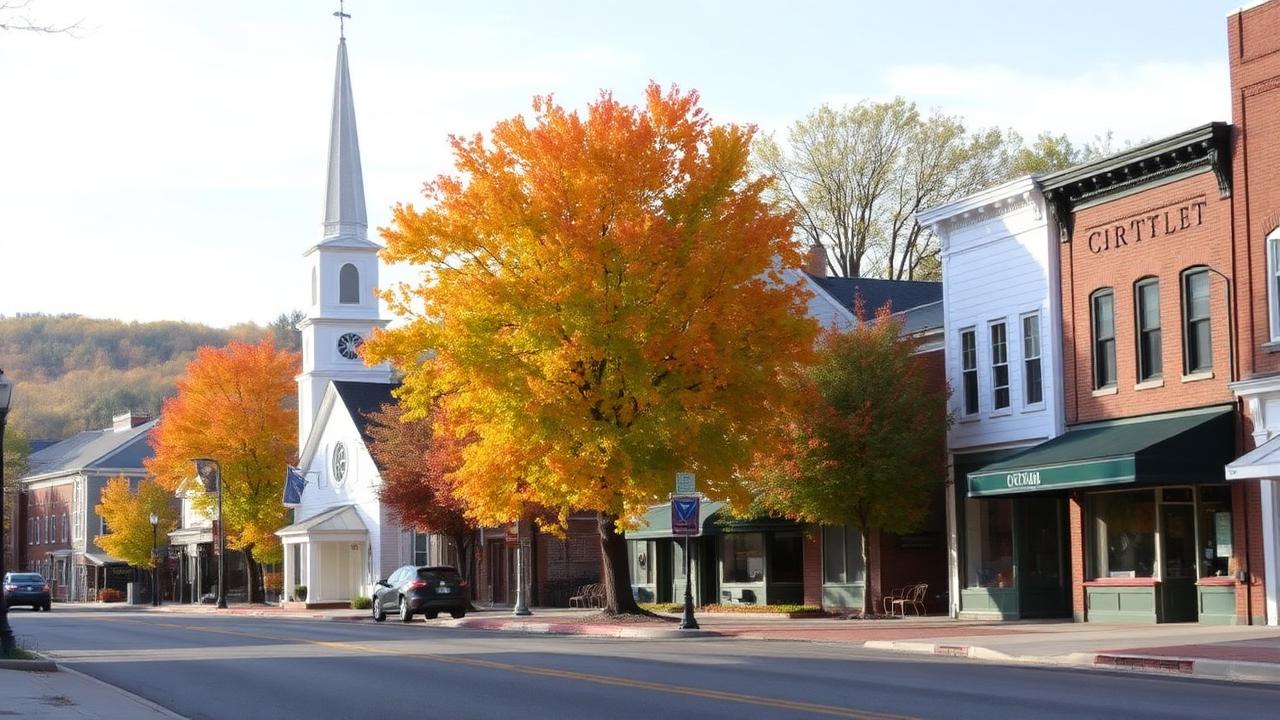
Keene State College rental turnover, old downtown housing stock, and New Hampshire's long winters keep rodent and seasonal pest calls steady through the year. Our AI systems capture every call while your crews cover Cheshire County.
Typical Keene implementation goes live in about 30-90 days.
A small city built around Keene State College, Keene combines rental turnover cycles with old downtown housing and a demanding winter season.
Housing near Keene State College turns over every August, and new tenants often report roach and rodent issues within their first weeks.
Aging wood-frame homes near Main Street and Court Street provide easy rodent entry points, especially as temperatures drop each fall.
Cluster flies and stink bugs seek warmth indoors as temperatures fall, spiking calls from September through November across Keene.
Wooded lots and farmland on Keene's outskirts see occasional raccoon, skunk and rodent complaints tied to outbuildings.
We configure around college rental turnover, old-housing rodent volume, and fall overwintering demand.
Voice AI answers around the clock during the August rental crunch, gathering unit details so crews can triage building versus unit issues.
See Voice AIMessaging AI confirms access across multi-tenant buildings so techs reach the right unit without wasted trips.
See Messaging AIThe AI Sales System tracks seasonal volume patterns so crews can plan capacity ahead of the fall rush.
See the AI Sales SystemWant to see what this looks like against your own Keene call volume? We will walk through it on a 30-minute call.
Book a Discovery CallService areas from Keene out through Swanzey, Walpole and Winchester are configured during onboarding.
We have a deep, purpose-built FieldRoutes integration, and over 1,000 API connections available for everything else, so your Keene operation keeps one source of truth instead of four.
All third-party product names, logos, and brands are property of their respective owners. Use of these names does not imply endorsement or affiliation.
Keene operators work a market shaped by college rental cycles and old downtown housing. AI intake keeps every turnover-season, residential, and overwintering call accounted for.
Deciding whether AI is right for your business at all is a separate question from which market you are in. We answer it honestly, including when the answer is not yet, in our AI decision guides, starting with should I use AI in my pest control business.
Keene's pest pressure follows Keene State College's academic calendar and Cheshire County's long, hard winters. Four windows repeat with enough regularity that crews can staff ahead of them.
Mice and the occasional rat push hard into the old wood-frame housing along Main Street, Court Street, and the Elm Street corridor as outdoor temperatures stay below freezing for weeks. Farmhouses and outbuildings on the outskirts toward Marlborough Street and Route 9 see mice moving into garages and sheds seeking grain and warmth. Landlords near the college start fielding tenant complaints about scratching in walls, and calls for exclusion work climb steadily as students return from winter break and notice signs of activity.
As snowmelt saturates yards near the Ashuelot River and West Street, carpenter ants become active in older homes with moisture-damaged sills, particularly in the historic district near Central Square. Spring cleanup around rental properties near Keene State College uncovers overwintering stink bugs and cluster flies in window wells, generating a wave of calls as landlords prep units for summer turnover. Termite swarm activity also picks up on warm, still afternoons in the Winchester Street area.
The single biggest driver of Keene's pest calendar hits in August, when Keene State College leases turn over and new tenants move into aging multi-unit housing near Appian Way and Winchester Street. New occupants report roach sightings, mouse droppings, and bed bug concerns within their first weeks, often left behind by summer vacancy. Property managers request pre-move-in inspections across student housing blocks, and this single month can outweigh the rest of the year's rental-related call volume.
As temperatures drop through Cheshire County, cluster flies and brown marmorated stink bugs seek entry into older homes near Main Street and the West Keene neighborhoods, squeezing through gaps around clapboard siding and window trim. Farmland and wooded lots on Keene's outskirts generate raccoon and skunk complaints as wildlife seeks winter denning sites near outbuildings. Rodent exclusion requests climb through October as homeowners near Court Street winterize before the first hard freeze.
Warm, humid stretches through Cheshire County push yellowjackets to establish ground nests in the sandy soil around West Keene backyards and along the rail-trail corridor near Krif Road, generating a steady run of sting-risk calls as families reclaim decks and patios for summer. Cheshire Medical Center's grounds crew and several Route 9 commercial plazas also request perimeter wasp treatment ahead of outdoor events, since nest activity near entrances creates liability concerns for property managers.
As Keene households bring in firewood and holiday greenery from wooded lots near Chesterfield and Surry, occasional invaders like sowbugs and centipedes hitch rides indoors, while stored grain and pantry moths surface in kitchens stocked up for holiday baking. Downtown Keene's Main Street restaurants and the Colony Mill Marketplace also see a bump in inspection requests before the holiday shopping rush, since a visible pest sighting during peak retail weeks carries outsized reputational risk for small storefronts.
Keene's small-city core surrounded by rural towns means routing has to balance dense downtown work against long drives to outlying areas. Winter weather adds another layer that shapes how routes get built.
Jobs clustered near Main Street, Central Square, and the Keene State College campus can be handled in tight loops with short drive times between stops. Once a route pushes out toward Swanzey, Walpole, or Winchester along Route 10 or Route 12, drive times stretch to 20-30 minutes each way, so dispatchers batch these outlying jobs together rather than mixing them into a downtown day.
Route 9 connects Keene to Marlborough and points east, while Route 101 handles traffic toward Swanzey and Winchester. Both can slow significantly during snow events, so winter routing needs buffer time built in, especially for the rural stretches without much plowing priority. Crews scheduling afternoon appointments in outlying towns during a snow forecast should front-load those stops before conditions worsen.
The August rental turnover spike near Keene State College concentrates dozens of move-in inspections into a two-to-three week window, which can overwhelm a normal weekly schedule. Operators who shift technicians away from rural routes and toward Appian Way, Winchester Street, and Butler Court properties during this window keep response times reasonable without adding headcount.
New Hampshire's short winter daylight hours limit how many stops a crew can safely complete, particularly on unlit rural roads near Swanzey and Walpole. Scheduling outlying jobs earlier in the day and keeping downtown Keene stops for late afternoon reduces the number of technicians driving unfamiliar country roads after dark during the fall overwintering rush.
A handful of property management companies control large swaths of the rental housing near Keene State College along Winchester Street and Appian Way, and they typically want a single consolidated service report covering a dozen or more units rather than separate paperwork for each address. Operators who can roll multi-unit inspection results into one summary win renewal business more easily than those sending a manager twenty separate invoices after a single turnover cycle.
A single nor'easter dropping over a foot of snow can force cancellation of an entire day's rural route toward Walpole or Winchester with only hours of notice, since Cheshire County's secondary roads aren't plowed as quickly as Route 9 itself. Crews need a reliable way to notify affected partners and slot them into the next available opening without losing the appointment entirely, particularly during the September-through-November exclusion rush when delays compound rodent entry risk.
More reading for operators working Keene, NH and the markets around it.
Location-specific guides written for the pest pressure, routes, and customer behavior of this market.
A short one-pager on the Keene market, the systems we build for operators here, and how implementation runs, written to be printed and passed around.
Last updated 2026-09-17
Try the messaging AI that answers texts, webchat, and social for pest control teams.
Start a ChatUse our free pest control AI assistant today, no contract, no setup call.
Try PestGPT FreePull last August and September. We'll show you how many Keene new-tenant pest calls came in after hours and never got a callback.
The New Hampshire guide covers statewide pest pressure, licensing and call patterns, and links every New Hampshire city guide we publish, including this one.