
The service radius is measured in counties
Amarillo companies routinely serve Canyon, Dumas, Borger, Hereford, and Pampa. Those are 30-to-70-minute legs across open highway, so a single poorly sequenced booking can cost half a day of billable time.
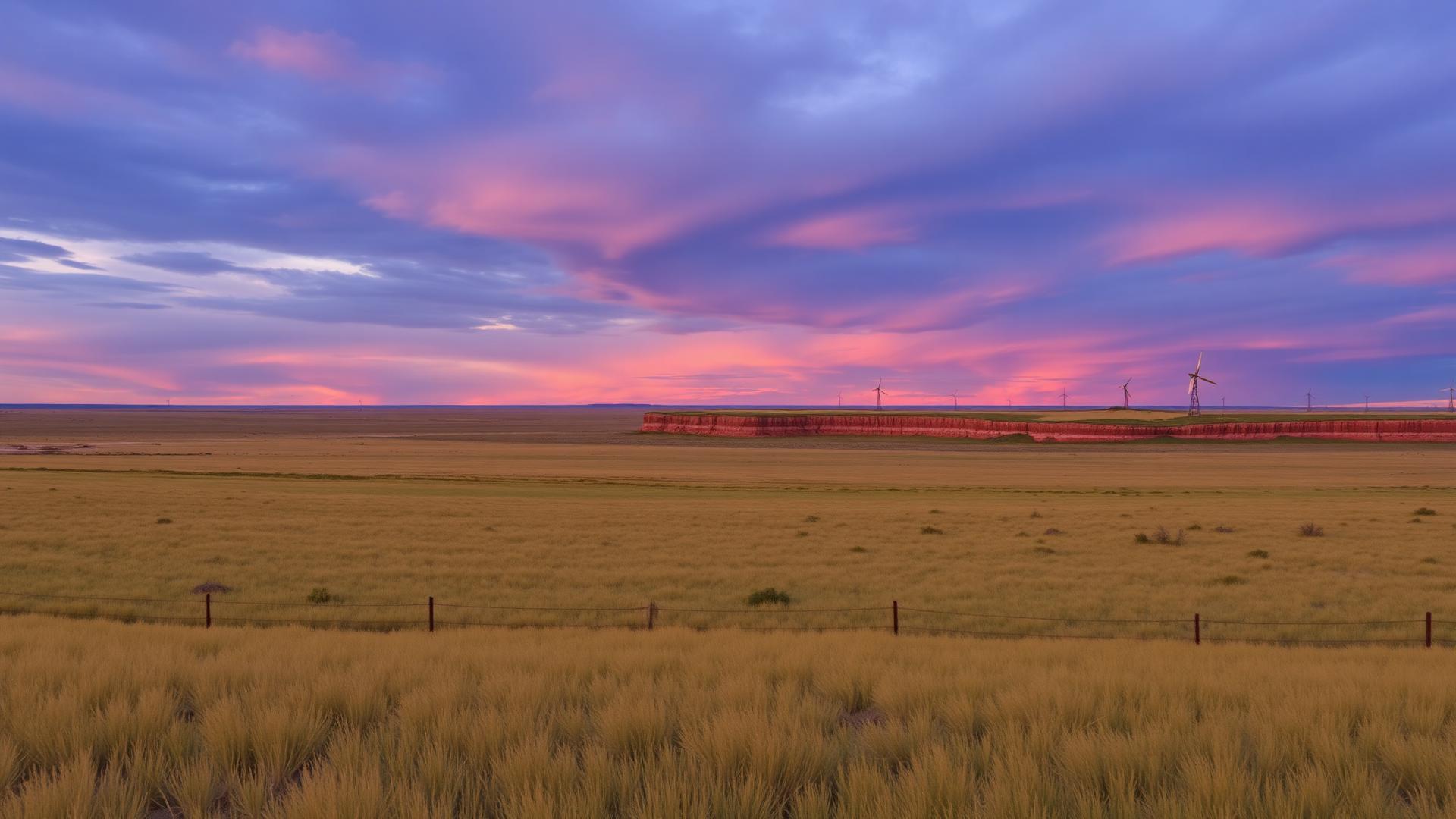
A service radius measured in counties rather than ZIP codes, feedlot and grain agriculture pushing rodents toward town, and a hard-freeze rodent season that arrives all at once. We build the AI phone, messaging, and CRM systems around how Panhandle work actually runs.
Typical Amarillo implementation goes live in about 30-90 days.
Amarillo operators cover more ground per job than almost anyone in Texas, and the pest pressure is driven by agriculture and hard freezes rather than humidity. A route that runs from Wolflin to Dumas in the same morning has to account for feedlot rodent pressure, grain-elevator contracts, and the Llano Estacado's unpredictable wind all in the same plan.
Amarillo companies routinely serve Canyon, Dumas, Borger, Hereford, and Pampa. Those are 30-to-70-minute legs across open highway, so a single poorly sequenced booking can cost half a day of billable time.
Cattle feeding, grain storage, and dairy operations sustain enormous rodent populations. When fields are harvested or the weather turns, that pressure moves toward homes, shops, and commercial buildings in waves.
The Panhandle gets real winter. The first hard freeze pushes mice, spiders, and overwintering insects indoors simultaneously across the whole market, producing a call spike that arrives in a single week.
Sustained Panhandle wind cancels exterior applications outright on some days. Crews that can push a whole day of stops by text keep the revenue; the ones leaning on a voicemail box hand it to the next company.
Grain elevators, food processing, restaurants, and warehouses often make up more of the book than residential does. Those accounts expect documentation, scheduled service, and fast escalation.
Hiring a dedicated full-time front desk in a market this size is difficult and expensive. Most Amarillo operators are answering the phone from the truck, which means the phone goes unanswered during every service call.
We build the systems around your Amarillo operation, test them on real scenarios tied to feedlot rodent pressure, county-scale routing, and the Panhandle's hard-freeze surge, then hand them over ready to run.
Voice AI answers on the first ring while your whole team is in the field, qualifies the caller, quotes from your pricing, and books, so no call goes to voicemail during service hours.
See Voice AIYour service areas, drive-time limits, and daily capacity become booking rules, so the AI stacks Dumas or Hereford stops on a single route day instead of scattering them across the week.
See the AI Sales SystemMessaging AI runs unlimited SMS, webchat, email, and social conversations at once, rescheduling every affected stop and setting honest lead times instead of leaving customers guessing.
See Messaging AIThe AI Sales System keeps recurring commercial visits on the calendar and runs the follow-up on inspections and renewals automatically.
See Outbound CampaignsWant to see what this looks like against your own Amarillo call volume? We will walk through it on a 30-minute call.
Book a Discovery CallPanhandle route legs, long drive times, and ZIP boundaries are configured with you during onboarding.
We have a deep, purpose-built FieldRoutes integration, and over 1,000 API connections available for everything else, so your Amarillo operation keeps one source of truth instead of four.
All third-party product names, logos, and brands are property of their respective owners. Use of these names does not imply endorsement or affiliation.
Amarillo operators cover an enormous, thinly populated territory, and that geography drives the economics of every decision. A missed call is not just a lost job, it is a lost job in a market where the next customer may be forty miles away and there is no second chance to fill that slot.
Deciding whether AI is right for your business at all is a separate question from which market you are in. We answer it honestly, including when the answer is not yet, in our AI decision guides, starting with should I use AI in my pest control business.
At roughly 3,600 feet on the Llano Estacado, Amarillo's temperature swings are sharper than almost anywhere else in Texas, and the surrounding feedlots and grain elevators layer agricultural pest pressure on top of that weather.
Spring green-up along the Canadian River breaks and the playa lakes scattered around the metro brings mosquitoes and ants back fast, and wind-driven dust storms on the Llano Estacado start canceling exterior work on short notice, pushing rescheduling volume up before summer even starts.
Feedlots and dairy operations ringing the city sustain heavy fly and rodent populations through summer, and that pressure pushes toward the nearest structures whenever cattle are moved or pens are cleaned. Wasp and yellowjacket nests also build fast in the dry heat, especially in machine sheds and grain facilities.
Grain harvest across the surrounding counties displaces field mice and voles toward homes and outbuildings on the edges of Amarillo, Canyon, and Dumas, and this is also when West Texas A&M's fall semester adds a short rental-turnover bump in Canyon.
The Panhandle's first real cold snap, often arriving with little warning in late October or November, drives mice, spiders, and overwintering insects indoors across the whole market within days of each other. Call volume during that week regularly outpaces any other single stretch of the year.
Extended sub-freezing stretches keep rodent pressure indoors and steady, and ranch and feedlot accounts often need rodent bait station servicing timed around frozen ground and winter feeding schedules rather than a standard route.
An Amarillo route can span more highway miles in a single day than a Metroplex operator drives in a week, so route sequencing and honest scheduling windows matter more here than almost anywhere else in Texas.
Dumas sits roughly fifty miles north on US-287, Pampa about fifty-five miles east on US-60, and Hereford around fifty miles southwest, with I-40 anchoring east-west traffic through the middle of the metro. Grouping stops along one corridor per day is the difference between a profitable route and a wasted afternoon.
Sustained wind across the open Llano Estacado can shut down spraying and exterior treatments outright, and those cancellations often hit multiple route days at once rather than a single afternoon. Crews need a fast way to notify and rebook every affected customer, not a phone tree that takes days to work through.
Commercial agricultural accounts around Amarillo and Hereford need rodent and fly control timed around cattle movement, feed delivery, and grain turnover, so these routes typically run separate from residential stops rather than getting mixed into the same day.
With long distances between customers, a single canceled or no-show appointment costs more here than in a dense metro, since the next available customer may be forty minutes away rather than four. Confirming appointments the day before matters more in Amarillo than almost anywhere else.
West Texas A&M's move-in and move-out weeks create a smaller version of a college-town rental spike layered on top of the county's harvest-driven rodent surge, so crews serving Canyon often see both pressures collide in the same few weeks each fall.
More reading for operators working Amarillo, TX and the markets around it.
Location-specific guides written for the pest pressure, routes, and customer behavior of this market.
A short one-pager on the Amarillo market, the systems we build for operators here, and how implementation runs, written to be printed and passed around.
Last updated 2026-09-17
Try the messaging AI that answers texts, webchat, and social for pest control teams.
Start a ChatUse our free pest control AI assistant today, no contract, no setup call.
Try PestGPT FreeBring your call volume, your missed-call count, and last winter's freeze surge. We will show you what the AI would have caught.
The Texas guide covers statewide pest pressure, licensing and call patterns, and links every Texas city guide we publish, including this one.