
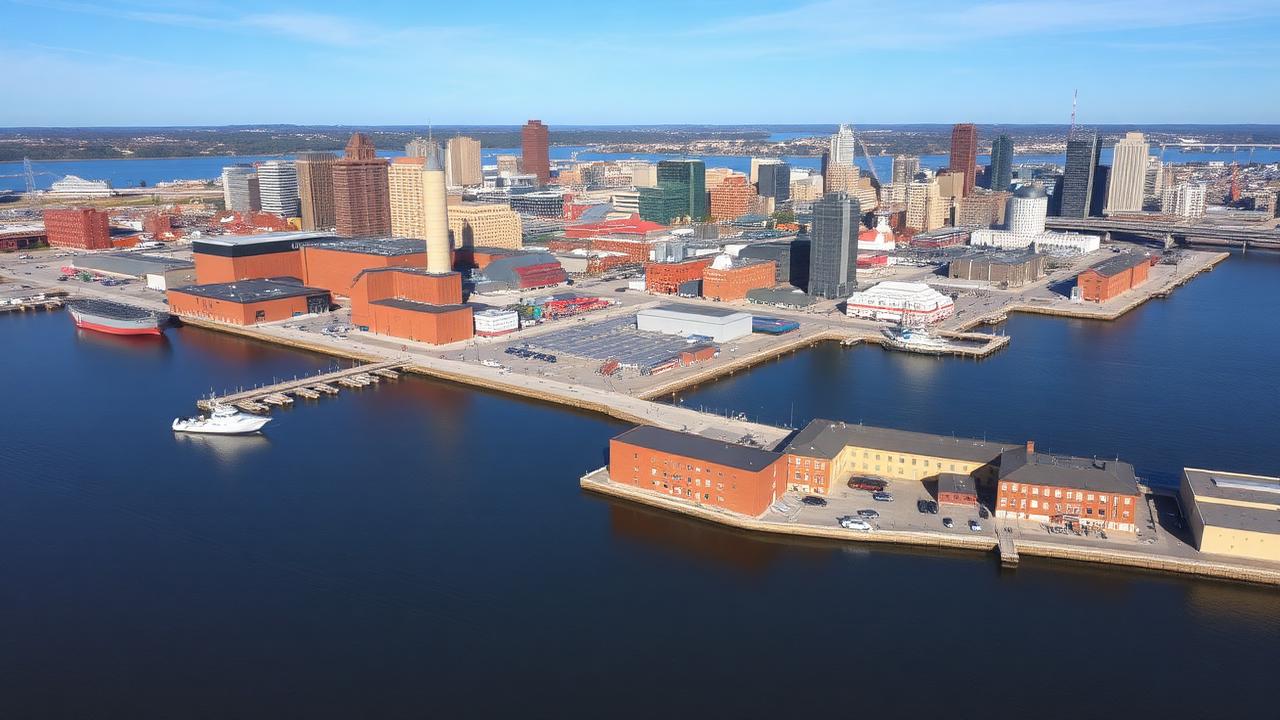
Daytime view of Bridgeport, Connecticut's Long Island Sound waterfront with the downtown skyline
    Bridgeport, Connecticut

    Pest Control Software Built for Bridgeport Operators

    Long Island Sound humidity, dense triple-decker and multifamily housing stock, and a harbor industrial base keep rodent and roach calls steady all year. Our AI systems capture every call while your crews cover Fairfield County.

    Typical Bridgeport implementation goes live in about 30-90 days.

    Why Bridgeport pest work runs on density

    Connecticut's largest city packs old multifamily housing and industrial waterfront into a tight coastal footprint, driving constant rodent and roach volume.

    Triple-deckers and multifamily blocks feed roach and rodent complaints

    Shared walls and basements in East Side and West End multifamily buildings let roaches and mice move between units, keeping call volume high for both owners and property managers.

    Harbor humidity keeps moisture pests active

    Proximity to Long Island Sound keeps summer humidity high, favoring German roaches, ants, and mosquito complaints from standing water around older lots.

    Industrial and warehouse accounts near the port need fast response

    Businesses along the harbor and rail corridors expect same-day service on rodent sightings tied to health inspections.

    Snowbird and seasonal turnover creates overflow entry points

    Aging housing stock with deferred maintenance opens gaps for overwintering pests each fall, spiking calls as temperatures drop.

    What we build for you

    What that means for your phones and your crews

    We configure around multifamily volume, humidity-driven pest activity, and industrial urgency.

    Capture every rodent and roach call, day or night

    Voice AI answers around the clock and gathers unit and building details so your team knows if it's a single unit or a building-wide job.

    See Voice AI

    Keep property managers and tenants coordinated

    Messaging AI confirms access windows across multi-unit buildings so techs aren't turned away at the door.

    See Messaging AI

    Prioritize harbor-industrial commercial accounts

    The AI Sales System routes health-inspection-driven commercial calls ahead of routine residential work.

    See the AI Sales System

    Want to see what this looks like against your own Bridgeport call volume? We will walk through it on a 30-minute call.

    Book a Discovery Call

    Operators across Fairfield County

    Service areas from Bridgeport out through Stratford, Fairfield and Trumbull are configured during onboarding.

    • East Side
    • West End
    • Black Rock
    • North End
    • Stratford
    • Fairfield

    Connected to the software you already run

    We have a deep, purpose-built FieldRoutes integration, and over 1,000 API connections available for everything else, so your Bridgeport operation keeps one source of truth instead of four.

    All third-party product names, logos, and brands are property of their respective owners. Use of these names does not imply endorsement or affiliation.

    What AI adoption looks like in Bridgeport

    Bridgeport operators work a dense coastal market where multifamily housing and harbor industry keep demand high year-round. AI intake keeps every unit, building, and commercial account accounted for.

    • Dense triple-decker and multifamily housing drives constant rodent and roach volume
    • Long Island Sound humidity keeps ants and roaches active through summer
    • Harbor-industrial accounts expect fast response tied to health inspections
    • Aging housing stock opens seasonal entry points for overwintering pests

    Deciding whether AI is right for your business at all is a separate question from which market you are in. We answer it honestly, including when the answer is not yet, in our AI decision guides, starting with should I use AI in my pest control business.

    The Bridgeport pest calendar

    Bridgeport's harbor humidity and dense multifamily blocks keep something active in every season, but the rhythm shifts from overwintering rodents to summer roach and mosquito pressure. Crews working the East Side, West End and Black Rock see the calendar move fast between species.

    January - March

    Cold snaps off Long Island Sound push Norway rats and house mice into basements and shared walls across triple-deckers on the East Side and North End. Older buildings near Barnum Avenue and East Main Street with deferred maintenance see gaps around utility penetrations widen as pipes freeze and thaw. Property managers start calling ahead of spring inspections, wanting bait stations refreshed before tenant turnover. Commercial accounts near the harbor also see rodent activity spike as warehouses seal up for winter, driving inspection requests tied to health department visits.

    April - June

    As Sound-adjacent humidity climbs, German roach complaints surge in multi-unit buildings in the West End and Black Rock, moving unit to unit through shared plumbing chases. Carpenter ants become active in older wood-frame homes near Seaside Park as moisture builds in sills and porches. Standing water in catch basins and vacant lots off Boston Avenue starts generating early mosquito complaints. This is also when new property management contracts turn over, so landlords request move-in and move-out inspections across the triple-decker stock.

    July - September

    Peak humidity off the Sound drives the year's heaviest roach and ant call volume, especially in aging multifamily stock in the East End and near Seaside Village. Mosquito complaints peak around stormwater retention areas and older lots with poor drainage. Harbor-industrial accounts along the port and rail corridors ramp up rodent monitoring ahead of late-summer health inspections. Yellowjacket nests also become common around dumpster areas behind commercial strips on Main Street, adding a distinct sting-risk call type to the late-summer mix.

    October - December

    As temperatures drop, rodents move indoors ahead of winter, and Bridgeport's aging housing stock with cracked foundations and old utility chases becomes the primary entry point across the North End and Black Rock. Property managers request pre-winter exclusion work before heating season starts. Cluster flies and boxelder bugs show up on sunny building facades near Fairfield Avenue as they seek overwintering sites. Commercial clients near the harbor push for final rodent sweeps before December health inspections close out the year.

    Late Spring Termite Swarms

    As soil temperatures climb along the Pequonnock River corridor and older wood-frame housing stock in the North End and Black Rock, subterranean termite swarmers emerge from foundation cracks and porch supports in early May, alarming homeowners who mistake them for flying ants. Real estate closings pick up in this window too, and buyers request termite inspection letters before finalizing purchases on older triple-deckers, adding a documentation-heavy call type distinct from the routine roach and rodent volume.

    Early Fall Bed Bug Turnover

    As college students and seasonal workers cycle through rental units near the University of Bridgeport and Park Avenue corridor in late August and September, bed bug reports climb alongside routine move-in and move-out inspections. Landlords managing multi-unit buildings in the West End request treatment before new tenants take occupancy, and property managers juggling several buildings at once need coordinated scheduling across units to avoid reinfestation from adjoining walls.

    Running crews across a dense coastal city

    Bridgeport's tight street grid and Fairfield County sprawl beyond it call for different routing logic depending on the day. Crews balance dense multifamily stops against longer highway runs to outlying towns.

    Grid density means short drives, long doors

    Inside the city, from the East Side to Black Rock, drive times between stops are short, but triple-decker buildings often mean multiple units per address. Techs need extra time budgeted per stop for stairwells and tenant coordination, not windshield time, so routing software should weight door time over distance for these zones.

    I-95 and Route 25 dictate county-wide routing

    Runs out to Stratford, Fairfield and Trumbull rely on I-95 and Route 25, both of which back up hard during weekday commute windows. Crews heading to Trumbull or Fairfield County suburbs in the late afternoon should be scheduled before 2pm to avoid losing an hour to congestion near the Route 8/25 interchange.

    Property manager density rewards clustering by building portfolio

    Many East Side and West End multifamily buildings share the same management companies, so grouping stops by portfolio rather than pure geography can consolidate three or four units into one visit. This cuts down on redundant trips to buildings that get called in separately by different tenants.

    Harbor-industrial accounts need early-morning or after-hours slots

    Warehouses and businesses near the port often want service before shifts start or after close, so crews assigned to harbor-industrial routes should be scheduled at the edges of the day, leaving daytime hours open for residential and multifamily calls in East Side and North End neighborhoods.

    Weather-driven scheduling around Nor'easters

    Coastal storms off Long Island Sound regularly bring flooding to low-lying streets near Seaside Park and the East End, forcing same-day cancellations when basement access floods out or streets become impassable. Dispatch uses automated rebooking to push affected multifamily and commercial stops to the next clear day, prioritizing harbor-industrial accounts with health-inspection deadlines over routine residential visits when capacity is tight after a storm.

    Recruiting bilingual technicians for a diverse tenant base

    Bridgeport's East Side and West End neighborhoods include large Spanish-speaking and Portuguese-speaking tenant populations, and property managers often need a technician who can communicate directly with residents about access, prep instructions, and treatment findings without relying on a third party. Operators here prioritize recruiting bilingual staff specifically for these routes, since miscommunication about apartment access is one of the most common causes of a wasted stop in dense multifamily buildings.

    Bridgeport pest control questions we get asked

    Bridgeport AI guides

    Location-specific guides written for the pest pressure, routes, and customer behavior of this market.

    Bridgeport overview
    Free 48 KB PDF

    Download the Bridgeport, CT Pest Control AI Playbook

    A short one-pager on the Bridgeport market, the systems we build for operators here, and how implementation runs, written to be printed and passed around.

    • A Bridgeport market snapshot, the pressure that drives your call volume
    • The AI systems we run for operators here, in plain language
    • What a 30-day implementation actually looks like
    • Printable, so you can hand it to your office team

    Last updated 2026-09-17

    Loading the Bridgeport playbook form

    Three ways to see it working in Bridgeport

    Book a demo

    A 30-minute walkthrough against your own Bridgeport call volume.

    Book a Discovery Call

    Start a chat

    Try the messaging AI that answers texts, webchat, and social for pest control teams.

    Start a Chat

    Start free with PestGPT

    Use our free pest control AI assistant today, no contract, no setup call.

    Try PestGPT Free
    Final step

    Let's look at your summer humidity spike

    Pull your July and August call logs. We'll show you how many roach and ant calls came in after hours and never got a callback.

    • A real review of your intake, not a canned demo
    • 30 minutes, and a typical implementation runs about 30-90 days
    • No contract to talk. We never share your details.

    Request your Bridgeport walkthrough

    Prefer to pick a time yourself? Book a Discovery Call

    The Connecticut guide covers statewide pest pressure, licensing and call patterns, and links every Connecticut city guide we publish, including this one.