
Century-old multifamily housing invites rodents and roaches
Neighborhoods like Brooklyn and the North End sit in aging triple-deckers and rowhouses where shared basements let pests spread between units.
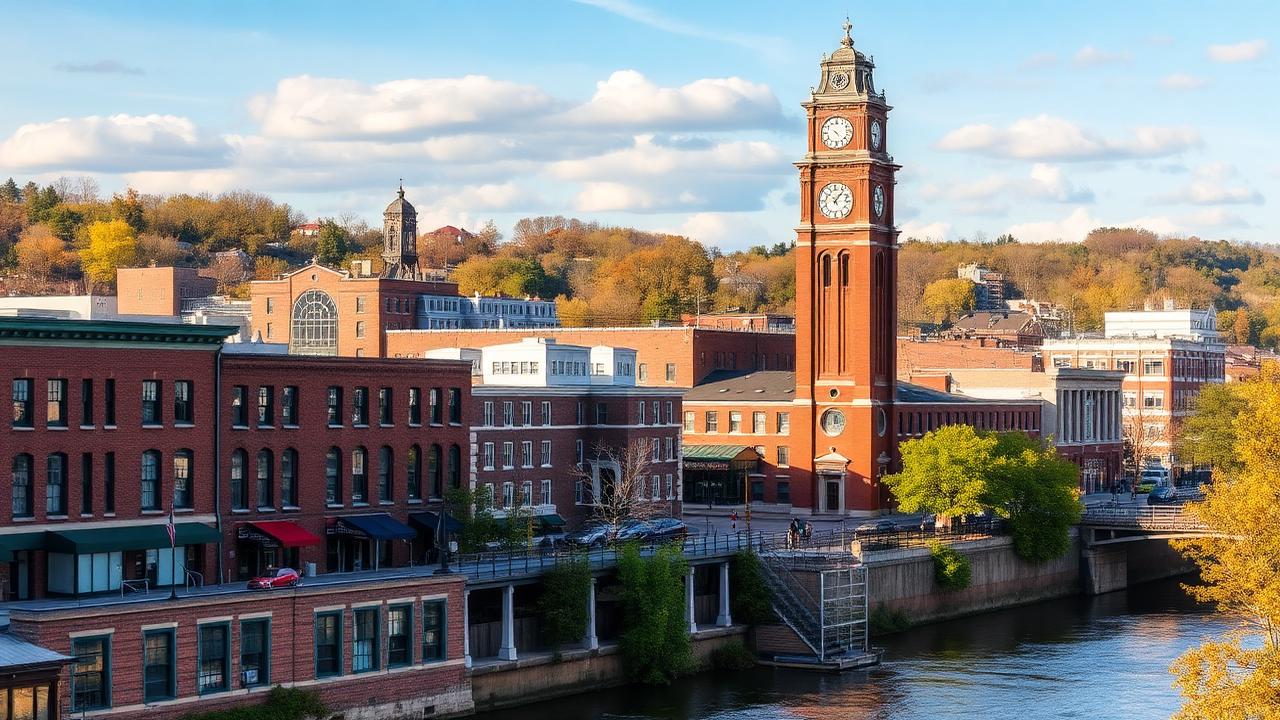
Century-old mill-town housing stock, hillside terrain, and a mix of factory and small commercial buildings keep rodent and ant calls steady year-round. Our AI systems capture every call while your crews cover Waterbury's hillside neighborhoods.
Typical Waterbury implementation goes live in about 30-90 days.
Connecticut's former brass manufacturing hub left a legacy of aging multifamily housing and industrial buildings that keep pest pressure high.
Neighborhoods like Brooklyn and the North End sit in aging triple-deckers and rowhouses where shared basements let pests spread between units.
Waterbury's hilly geography means foundations and retaining walls create gaps that rats and mice exploit, requiring careful exclusion assessments.
Converted mill and warehouse spaces along the Naugatuck River need commercial pest management tied to occupancy and health codes.
Carpenter ants and yellowjackets are common complaints in older wood-frame homes each spring and summer.
We configure around aging multifamily volume, exclusion complexity, and mill-building accounts.
Voice AI answers around the clock and gathers structure details for aging multifamily housing so techs know what they're walking into.
See Voice AIMessaging AI confirms access and timing for exclusion work that requires careful site assessment.
See Messaging AIThe AI Sales System routes commercial requests from converted mill spaces ahead of routine residential work.
See the AI Sales SystemWant to see what this looks like against your own Waterbury call volume? We will walk through it on a 30-minute call.
Book a Discovery CallService areas from Waterbury out through Naugatuck, Watertown and Wolcott are configured during onboarding.
We have a deep, purpose-built FieldRoutes integration, and over 1,000 API connections available for everything else, so your Waterbury operation keeps one source of truth instead of four.
All third-party product names, logos, and brands are property of their respective owners. Use of these names does not imply endorsement or affiliation.
Waterbury operators work a market built on old mill-town housing and hillside terrain. AI intake keeps rodent, exclusion, and commercial mill-building work all accounted for.
Deciding whether AI is right for your business at all is a separate question from which market you are in. We answer it honestly, including when the answer is not yet, in our AI decision guides, starting with should I use AI in my pest control business.
Waterbury's call patterns follow its brass-era housing stock and the damp valley floor along the Naugatuck River as much as they follow the calendar. Rodent pressure in old triple-deckers runs nearly year-round, but four windows drive the sharpest spikes.
As snowmelt saturates foundations along South Main Street and the lower Brooklyn neighborhood, German cockroaches surge in shared basements and boiler rooms of pre-1950s triple-deckers. Landlords managing multiple units near Baldwin Street often call after one tenant reports activity, since infestations spread fast through common pipe chases. Spring also brings the season's first carpenter ant scouts into older wood-frame homes on the hillsides above downtown, where moisture trapped against retaining walls keeps soil damp well after the thaw.
Warm, humid summers push carpenter ant colonies to full activity in the wood-frame Victorians and colonials common in Bucks Hill and the East End, with visible foraging trails along kitchen counters at dusk. Yellowjackets build ground nests in the retaining-wall terraces typical of Waterbury's hillside yards, and calls spike after landscapers or kids disturb a nest while mowing steep lots. Former mill buildings along the Naugatuck River also see a rise in fly and general pest complaints tied to loading dock activity during peak occupancy months.
As nights cool, Norway rats and house mice move from the Mad River and Naugatuck River banks toward foundations in Brooklyn and the North End, exploiting the gaps common in stone-and-mortar basement walls under century-old multifamily buildings. Converted mill properties along South Main see a rise in commercial rodent contracts as building managers prepare for cold-weather occupancy inspections. Exclusion requests climb as landlords try to seal entry points before the first hard freeze.
Waterbury's hillside terrain concentrates rodent activity in below-grade apartments and boiler rooms once temperatures drop, with mice exploiting retaining-wall gaps and old coal-chute openings sealed decades ago but never properly closed. Multifamily buildings near Wolcott Street report the heaviest volume, since shared basements let a single entry point serve several units. Commercial accounts in converted mill space also see steady winter service calls tied to insurance and occupancy inspection requirements.
Brief warm spells in late January and February along the Naugatuck Valley wake overwintering cluster flies and cellar spiders inside older homes near Overlook and Hillside Avenue, where fieldstone foundations and old coal-chute openings hold heat unevenly. Residents often mistake this for a new infestation rather than pests that entered the structure months earlier during the fall staging period. Property managers overseeing multiple triple-deckers near Baldwin Street use this window to schedule inspections before spring roach activity ramps up.
Warming soil temperatures in April trigger termite swarms in Waterbury's older wood-frame housing stock, particularly homes near the Mad River with wood-to-soil contact typical of pre-1960s construction. Swarmers emerging indoors near baseboards or window frames in Brooklyn and the North End often prompt a same-day inspection request, since homeowners worry about structural damage more than with any other seasonal pest. Commercial mill-building managers along South Main Street also request termite inspections ahead of spring lease renewals.
Waterbury's terrain and housing age make routing more about elevation and building type than distance. Crews moving between the valley floor and hillside neighborhoods deal with steep grades, narrow one-way streets, and buildings that were never designed with pest access in mind.
The I-84/Route 8 interchange near downtown backs up during both morning and evening commutes, and techs crossing between the East End and Bucks Hill often lose 15-20 minutes navigating around it. Scheduling clusters East End stops in the morning and Bucks Hill or Westside stops after 10 a.m. to avoid the worst of the interchange congestion.
Steep, narrow streets in neighborhoods like Overlook and Bucks Hill mean service vehicles sometimes can't park directly in front of a property, adding walk-time with equipment on foot up graded driveways. Routes built around Waterbury's hills budget extra minutes per stop compared to flatter service areas like the Naugatuck Valley floor.
A single call in Brooklyn or the North End can mean three separate units needing inspection in one triple-decker, each requiring separate landlord and tenant coordination. Dispatch treats these buildings as multi-stop jobs rather than single appointments, since a shared-basement rodent issue often means every unit needs a look.
As residential trapping calls plateau in deep winter, crew capacity shifts toward exclusion work in older multifamily buildings and commercial service contracts in converted mill properties along the Naugatuck River. Staffing plans that only account for warm-season ant and yellowjacket demand tend to leave winter rodent and mill-building capacity short.
Property managers overseeing converted mill buildings along the Naugatuck River require scheduled pest service tied to occupancy and health-code inspections, with written visit logs rather than informal call-when-needed service. Messaging AI can confirm these recurring commercial visits automatically, giving building managers the documentation they need for insurance or municipal inspections without extra office calls.
Snow and ice on the steep grades above downtown, particularly around Overlook and Bucks Hill, can make hillside streets unsafe for service vehicles well after valley-floor roads are clear, forcing same-day rebooking for an entire route segment. Operators who text affected partners a rebooking option through AI systems avoid the backlog of manual callbacks that follows a canceled hillside route.
Waterbury pulls technicians from a labor pool that also serves Naugatuck, Watertown and Wolcott, so keeping routes tightly clustered by neighborhood, rather than crisscrossing the hills and valley floor in one day, matters for retention as much as pay. Techs who spend less time navigating steep, narrow streets and more time on billable stops are easier to keep long-term.
Property owners who hold several triple-decker buildings scattered across Brooklyn, the North End and the East End prefer a single recurring service relationship instead of separate calls for each address. Consolidating these accounts under one contract, with the AI Sales System tracking renewal and inspection dates across every building, turns scattered single-property calls into one dependable portfolio relationship.
More reading for operators working Waterbury, CT and the markets around it.
Location-specific guides written for the pest pressure, routes, and customer behavior of this market.
A short one-pager on the Waterbury market, the systems we build for operators here, and how implementation runs, written to be printed and passed around.
Last updated 2026-09-17
Try the messaging AI that answers texts, webchat, and social for pest control teams.
Start a ChatUse our free pest control AI assistant today, no contract, no setup call.
Try PestGPT FreePull last April through June. We'll show you how many ant and yellowjacket calls came in after hours and never got a callback.
The Connecticut guide covers statewide pest pressure, licensing and call patterns, and links every Connecticut city guide we publish, including this one.