
Subterranean termites are a constant threat in clay soil
Moisture-retaining clay against foundations throughout Broken Arrow keeps termite inspections and pre-treatments in steady demand, especially for new construction.
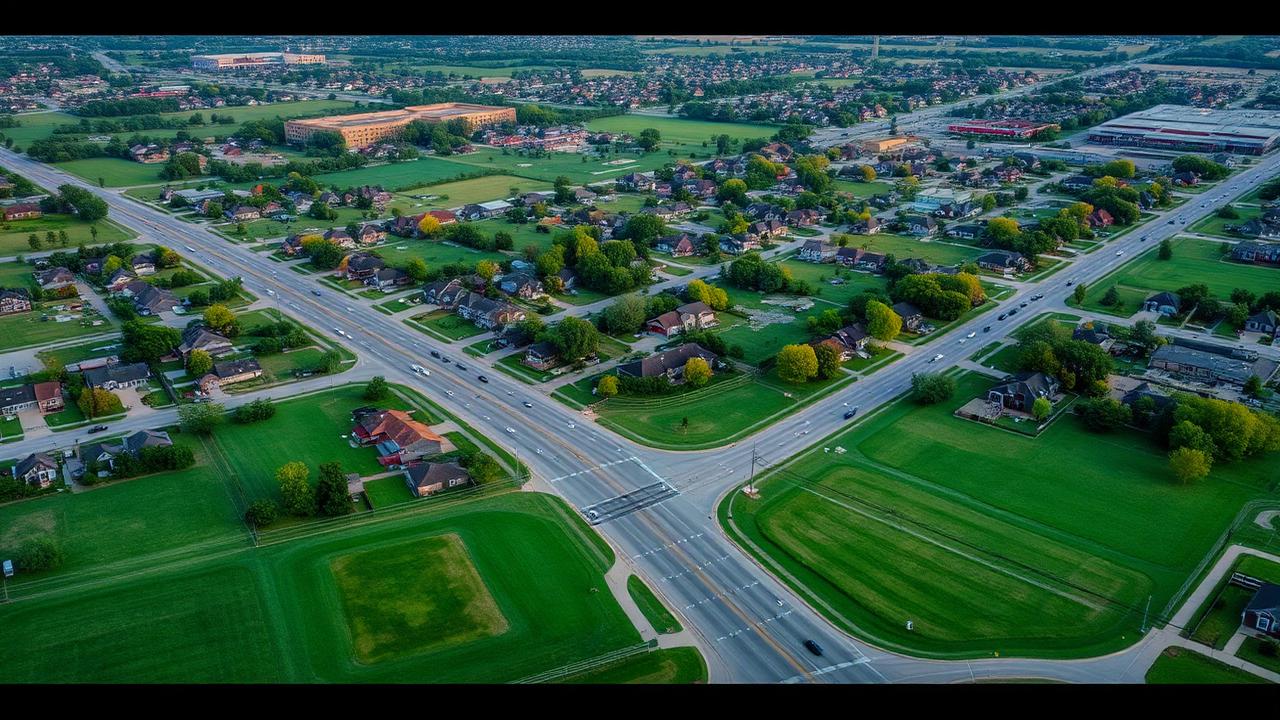
Humid Oklahoma summers, clay soil, and one of the fastest-growing suburbs in the Tulsa metro keep Broken Arrow crews busy from established neighborhoods to brand-new subdivisions. Our AI systems answer every call while your team is on the road.
Typical Broken Arrow implementation goes live in about 30-90 days.
Oklahoma's humid climate, expansive clay soil, and Broken Arrow's rapid suburban expansion create steady termite, ant, and new-construction demand.
Moisture-retaining clay against foundations throughout Broken Arrow keeps termite inspections and pre-treatments in steady demand, especially for new construction.
New sod and established lawns alike deal with red imported fire ant mounds throughout the hot summer months, driving frequent treatment requests.
Rapid residential growth across the city's south and east sides means a steady pipeline of new-construction termite pre-treatments and first-year pest programs.
Tornado season storms and flooding drive ants, spiders and occasional rodents indoors ahead of the usual pest season.
We configure around new-construction termite work, fire ant volume, and storm-driven early-season calls.
Voice AI answers around the clock so builders and new homeowners requesting pre-treatment or inspections are never missed.
See Voice AIMessaging AI handles the volume of lawn treatment requests that come in during Broken Arrow's peak fire ant season.
See Messaging AIThe AI Sales System keeps growing neighborhoods organized so first-year pest programs aren't missed as new homes are completed.
See the AI Sales SystemWant to see what this looks like against your own Broken Arrow call volume? We will walk through it on a 30-minute call.
Book a Discovery CallService areas from Broken Arrow out through Coweta, Bixby and south Tulsa are configured during onboarding.
We have a deep, purpose-built FieldRoutes integration, and over 1,000 API connections available for everything else, so your Broken Arrow operation keeps one source of truth instead of four.
All third-party product names, logos, and brands are property of their respective owners. Use of these names does not imply endorsement or affiliation.
Broken Arrow operators work a market defined by rapid suburban growth, clay-soil termite pressure, and heavy summer fire ant demand. AI intake keeps new construction and seasonal spikes covered without missing a call.
Deciding whether AI is right for your business at all is a separate question from which market you are in. We answer it honestly, including when the answer is not yet, in our AI decision guides, starting with should I use AI in my pest control business.
Broken Arrow's clay soil and Green Country humidity keep termite and ant pressure high most of the year, while spring storms and new-subdivision construction add their own spikes. The calendar tracks tornado season as closely as it tracks temperature.
Cooler weeks keep most insect activity dormant, but overwintering rodents and the occasional cluster fly move into homes near mature tree lines along Aspen Creek and Battle Creek. Termite swarmers can appear on unseasonably warm days as clay soil around foundations retains moisture from winter rain. Builders finishing new homes in south and east Broken Arrow subdivisions start requesting pre-treatment inspections ahead of spring closings, and pest companies use this window to line up new-construction contracts before the season accelerates.
Tornado season brings heavy storms across the Tulsa metro, and flooding along Adams Creek and other drainage areas pushes ants, spiders and the occasional rat indoors well before the usual pest season starts. Termite swarms peak as clay soil warms and holds spring rainfall against foundations throughout Broken Arrow. New subdivisions along 71st Street and Kenosha Street generate a steady run of pre-treatment work as builders race to close homes before summer. Fire ant mounds begin appearing in freshly laid sod.
Peak summer heat and humidity make this the busiest fire ant season, with mounds showing up in both established lawns in Rose District-adjacent neighborhoods and brand-new sod in south Broken Arrow subdivisions. Termite activity continues steadily in the clay soil, and mosquito complaints rise around retention ponds built into newer developments. Commercial accounts along Elm Place and Kenosha Street request more frequent service as increased outdoor dining and foot traffic draw more insect complaints.
As temperatures fall, rodents seek shelter in both older homes near downtown Broken Arrow and new builds still settling on clay soil, since foundation gaps have not yet been fully sealed. Fire ant activity slows but does not stop entirely in mild Oklahoma winters. Termite pre-treatment requests continue for homes closing before year-end. Property owners in Coweta and Bixby also call for fall exclusion work ahead of the first hard freeze.
Paper wasps build nests under eaves and playground equipment across Broken Arrow's newer subdivisions through August, generating removal calls from families near Ray Harris Park and Aspen Creek. Bark scorpions and striped scorpions also turn up in garages and landscaping rock in south Broken Arrow's newer developments, especially where builders used decorative stone beds that hold daytime heat. Commercial properties near the Warehouse Market district add pest coverage for outdoor seating as wasp complaints from patrons increase.
Cooling nights in September push field crickets toward foundations and garage doors throughout Broken Arrow, particularly in homes backing up to undeveloped pasture on the city's expanding eastern edge. Wolf spiders and brown recluses also become more visible indoors as outdoor prey becomes scarce, driving service calls from older homes near downtown and newer builds near the Broken Arrow Expressway alike. Pest companies use this stretch to promote fall perimeter treatments ahead of the winter rodent push.
Broken Arrow's growth means yesterday's routes do not always match today's street grid. Crews need routing built for new subdivisions as much as established neighborhoods.
South and east Broken Arrow add new streets faster than mapping software updates, so crews heading to subdivisions off Kenosha Street or 71st Street should confirm addresses with builders directly rather than relying solely on GPS, especially for homes closed within the last few months.
Techs moving between Broken Arrow and Bixby or Coweta rely on US-64 and the Creek Turnpike, both of which see predictable slowdowns during Tulsa-area rush hours. Scheduling cross-town termite inspections before 3pm avoids the worst of the afternoon backup near the 71st Street interchange.
Older sections near downtown Broken Arrow and the Rose District have tighter, more predictable street grids, letting crews stack four or five stops in a tight loop. These routes work well for filling gaps between longer subdivision jobs on the city's growing edges.
Spring tornado warnings can shut down outdoor work with little notice, so crews scheduled across Broken Arrow, Coweta and Bixby need built-in buffer time in spring months to absorb weather delays without pushing every subsequent stop late into the evening.
Retail plazas and restaurants along Kenosha Street and Elm Place need scheduling that respects business hours, often pushing service to early morning before doors open or late evening after close. These commercial partners also expect documented service records for health inspections, so the AI Sales System keeps a searchable history tied to each account rather than folding commercial visits into the same log as residential subdivision stops.
Broken Arrow's population growth means new accounts arrive faster than many pest companies can hire, particularly for termite pre-treatment work tied to builder contracts in south and east Broken Arrow. Voice AI helps by capturing applicant interest calls around the clock, while operators focus interview time on candidates already familiar with clay-soil termite pressure and Oklahoma's licensing requirements administered through the state Department of Agriculture.
More reading for operators working Broken Arrow, OK and the markets around it.
Location-specific guides written for the pest pressure, routes, and customer behavior of this market.
A short one-pager on the Broken Arrow market, the systems we build for operators here, and how implementation runs, written to be printed and passed around.
Last updated 2026-09-17
Try the messaging AI that answers texts, webchat, and social for pest control teams.
Start a ChatUse our free pest control AI assistant today, no contract, no setup call.
Try PestGPT FreePull last quarter's new-build termite and pest requests. We'll show you how many Broken Arrow came in after hours and never got a callback.
The Oklahoma guide covers statewide pest pressure, licensing and call patterns, and links every Oklahoma city guide we publish, including this one.