
Subterranean termites remain a year-round concern in clay soil
Moisture-retaining clay against foundations across Edmond keeps termite inspections and treatments in steady demand, particularly for real estate transactions.
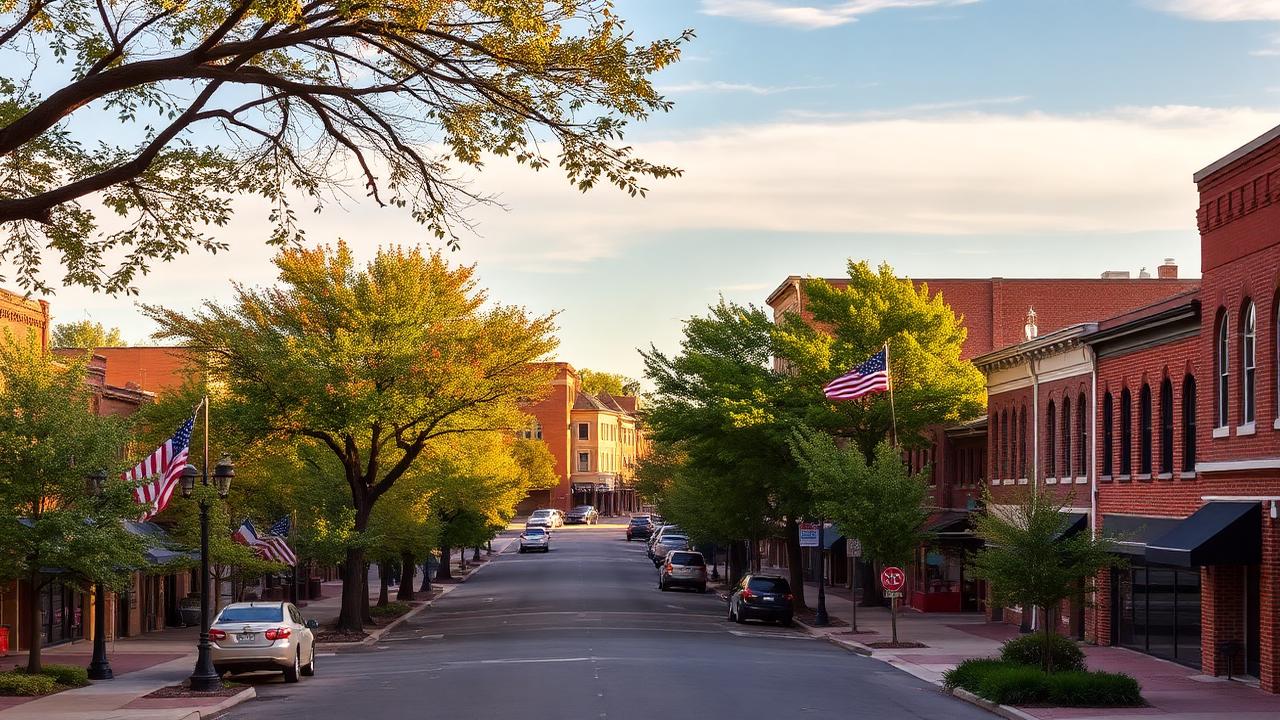
Humid summers, clay soil, and an affluent, fast-growing Oklahoma City suburb keep Edmond crews moving between established neighborhoods near the University of Central Oklahoma and new construction on the city's edges. Our AI systems answer every call while your team is on-site.
Typical Edmond implementation goes live in about 30-90 days.
Oklahoma's humid climate, clay soil, and Edmond's reputation as a higher-income, fast-growing suburb shape demand for both routine and premium pest service.
Moisture-retaining clay against foundations across Edmond keeps termite inspections and treatments in steady demand, particularly for real estate transactions.
Well-maintained lawns throughout Edmond deal with fire ant mounds all summer, and homeowners expect prompt, professional response.
Ongoing residential growth toward the north and east sides of Edmond creates a steady pipeline of new-construction termite pre-treatment work.
Edmond homeowners in an affluent, competitive suburb expect quick answers and professional communication, and will switch providers if they don't get it.
We configure around termite deadlines, fire ant volume, and Edmond's premium-service expectations.
Voice AI answers around the clock so real estate and new-construction termite requests are captured before deadlines pass.
See Voice AIMessaging AI keeps homeowners updated promptly, matching the responsiveness an affluent, competitive suburb expects.
See Messaging AIThe AI Sales System keeps summer fire ant requests and new-build pre-treatments organized and scheduled efficiently.
See the AI Sales SystemWant to see what this looks like against your own Edmond call volume? We will walk through it on a 30-minute call.
Book a Discovery CallService areas from Edmond out through Arcadia, Deer Creek and north Oklahoma City are configured during onboarding.
We have a deep, purpose-built FieldRoutes integration, and over 1,000 API connections available for everything else, so your Edmond operation keeps one source of truth instead of four.
All third-party product names, logos, and brands are property of their respective owners. Use of these names does not imply endorsement or affiliation.
Edmond operators work a market defined by clay-soil termite pressure, steady new construction, and homeowners who expect prompt, professional service. AI intake keeps every deadline and every seasonal spike covered.
Deciding whether AI is right for your business at all is a separate question from which market you are in. We answer it honestly, including when the answer is not yet, in our AI decision guides, starting with should I use AI in my pest control business.
Oklahoma's swing between humid summers and sharp cold snaps sets the rhythm for Edmond's pest calls, with clay soil keeping termite pressure present nearly year-round. Fire ants and termite swarms both peak within weeks of each other each spring.
Warming clay soil across Edmond triggers subterranean termite swarms, especially in older neighborhoods near downtown and along Boulevard where mature trees hold ground moisture close to foundations. At the same time, fire ant colonies that overwintered deep in Bermuda lawns near Fairfax and Deer Creek reactivate and start building new mounds. Real estate closings pick up in spring too, so termite inspection requests tied to home sales stack against active swarm calls, creating the year's first scheduling crunch.
Long, humid Oklahoma summers push fire ant mound activity to its peak across well-irrigated lawns in Fairfax, Waterloo, and the newer subdivisions off Covell Road, with homeowners calling within a day of finding a mound near a play area. Mosquito complaints rise along the drainage areas near the Bryant Retention Ponds and Hafer Park, and ticks show up in calls from properties backing onto wooded creek lines. Same-week service expectations peak in this stretch as families push to reclaim yards for summer use.
Builders finishing homes in the fast-growing corridors north and east of Edmond, including areas near Kelly Avenue and Coffee Creek Road, schedule termite pre-treatments ahead of slab pours before winter halts construction. As nights cool, ants and spiders seeking warmth start showing up in calls from older brick homes near the University of Central Oklahoma. This is also when many annual termite renewal inspections come due, adding administrative volume on top of active swarm season leftovers.
Cold snaps push mice and the occasional roof rat toward attics and garages in established neighborhoods near Danforth Road and Coltrane Road, while cluster flies and boxelder bugs seek gaps around older windows. Clay soil rarely fully freezes, so subterranean termite activity slows but does not stop, keeping a baseline of inspection requests from homeowners preparing to list a property in early spring. Overall call volume is lower, giving crews room to catch up on winterization and exclusion work.
As nighttime temperatures climb into the 50s, wolf spiders and field crickets move toward foundations in neighborhoods bordering undeveloped land near Arcadia and the Deep Fork River corridor, generating a wave of nuisance-pest calls distinct from the termite and fire ant activity dominating the same weeks. Homeowners near newer subdivisions edging into former farmland report the heaviest cricket pressure, since disturbed grassland pushes populations toward structures faster than in established, fully landscaped neighborhoods closer to downtown.
By July, chigger complaints rise from families with yards backing onto the wooded creek lines near Hafer Park and the Bryant Retention Ponds, where tall grass and shade hold humidity that Bermuda lawns elsewhere in Edmond do not. Mosquito breeding in ornamental ponds and rain barrels across Waterloo and Deer Creek adds a second wave of complaints that peaks slightly later than the fire ant surge, often prompting homeowners to request combined mosquito and general pest programs rather than one-time treatments.
Edmond's mix of established in-town neighborhoods and fast-growing edges means crews constantly balance short in-town hops against longer runs to new subdivisions. I-35 and the Kilpatrick Turnpike both factor into how a day gets sequenced.
Crews working new construction near Coffee Creek Road or Kelly Avenue typically use I-35 or the Kilpatrick Turnpike to reach the north and east edges of the service area, while older-neighborhood stops near downtown Edmond and the University of Central Oklahoma stay off the highway entirely. Grouping stops by which corridor they sit on keeps techs from crossing back onto I-35 multiple times in a single day.
Because fire ant complaints are urgent to homeowners with kids or pets, dispatch needs open slots reserved during peak summer weeks so a mound call near Fairfax or Waterloo can be inserted into an existing route near Second Street or Danforth Road without requiring a special trip across town.
Subdivisions going up near Covell Road and the northeast side of Edmond bring clusters of new pre-treatment jobs close together, letting crews complete several stops within the same half-mile with minimal drive time, unlike the more spread-out established neighborhoods closer to downtown.
Because termite swarm season and fire ant mound activity both ramp up in April and May, operators who add seasonal inspection capacity ahead of that overlap avoid the backlog that forms when real estate deadlines and lawn-treatment urgency compete for the same crew slots.
Many Edmond subdivisions near Deer Creek and Waterloo operate under active homeowners associations with landscaping and exterior-treatment guidelines, and some require advance notice before a pest control vehicle can service common areas or greenbelt-adjacent lots. Operators who capture HOA name and any posted-notice requirements at intake avoid the delay of a technician arriving on-site only to learn the community requires 24-hour notice for perimeter treatments near shared fence lines.
Retail and restaurant tenants along Edmond's Second Street corridor and the Coltrane Road commercial strip typically prefer service scheduled before opening or after closing to avoid customer disruption, similar to expectations at any suburban shopping center. Dispatch has to treat these stops as a separate early-morning or evening block rather than folding them into the standard daytime residential loop that fills most of the schedule.
More reading for operators working Edmond, OK and the markets around it.
Location-specific guides written for the pest pressure, routes, and customer behavior of this market.
A short one-pager on the Edmond market, the systems we build for operators here, and how implementation runs, written to be printed and passed around.
Last updated 2026-09-17
Try the messaging AI that answers texts, webchat, and social for pest control teams.
Start a ChatUse our free pest control AI assistant today, no contract, no setup call.
Try PestGPT FreePull last quarter's inspection and pre-treatment calls. We'll show you how many Edmond came in after hours and never got a callback.
The Oklahoma guide covers statewide pest pressure, licensing and call patterns, and links every Oklahoma city guide we publish, including this one.