
Scorpions and black widows drive warm-season residential calls
Homes near the foothills and desert-edge developments see regular scorpion and black widow activity as temperatures rise each spring and summer.
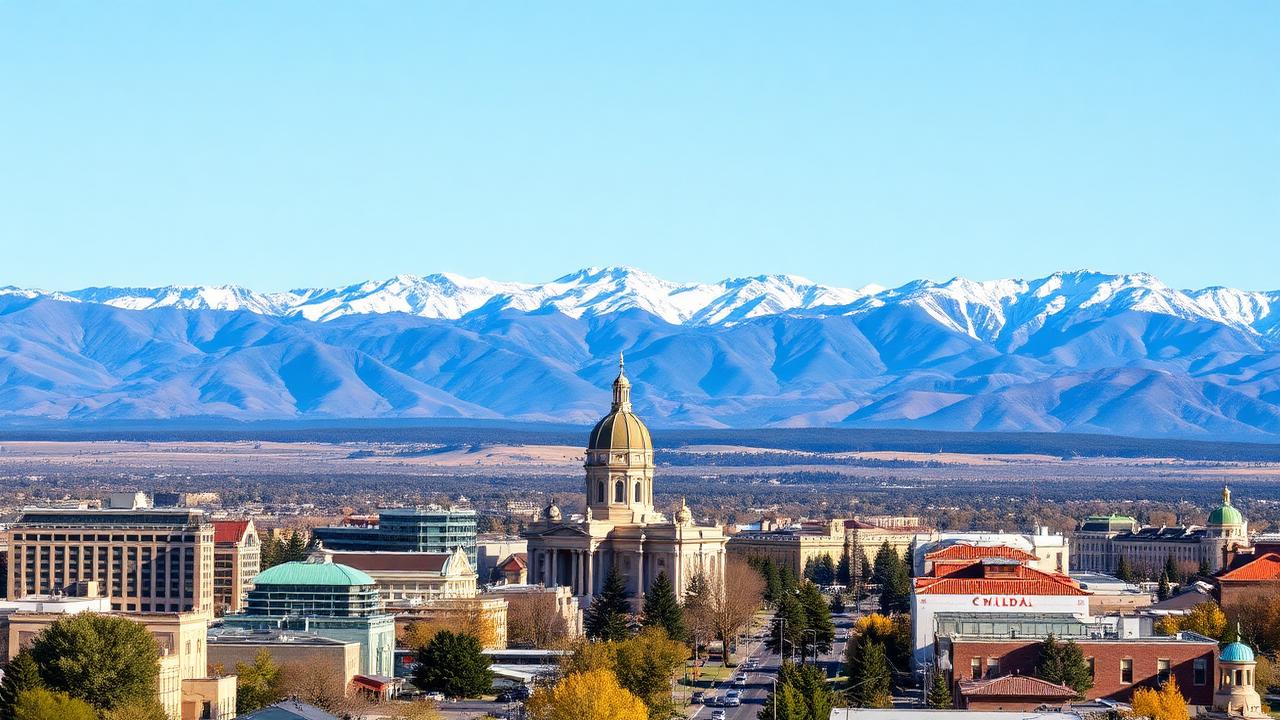
High-desert scorpion and spider pressure, Sierra Nevada foothill wildlife intrusion, and dry-climate rodent demand keep call volume steady year-round. Our AI systems capture every call while your crews cover the Carson Valley.
Typical Carson City implementation goes live in about 30-90 days.
Sitting at the base of the Sierra Nevada foothills where high desert meets mountain terrain, Nevada's capital sees steady arachnid, wildlife, and rodent pressure tied to its dry climate and wildland-urban interface. As Nevada's state capital, the city also carries a unique mix of government facilities and legacy neighborhoods that shape how commercial and residential demand overlap.
Homes near the foothills and desert-edge developments see regular scorpion and black widow activity as temperatures rise each spring and summer.
Properties bordering the Sierra foothills and open desert see squirrels, packrats, and occasional raccoons seeking entry into attics and outbuildings.
Limited natural moisture in the Carson Valley sends rodents toward irrigated landscaping and homes, especially during summer drought stretches.
Government buildings and hospitality accounts near downtown and the casino corridor expect discreet, scheduled pest service to maintain public-facing standards.
Historic residences in the neighborhoods surrounding the Nevada State Capitol have original foundations and aging weatherstripping that give rodents and spiders easy entry points not found in newer valley construction.
Properties bordering working ranchland south of town occasionally deal with field mice and grasshopper pressure that spills into adjacent residential lots during dry, hot stretches.
We configure around warm-season arachnid activity, wildland-interface wildlife calls, and downtown commercial demand.
Voice AI answers around the clock and books urgent arachnid calls, which spike through spring and summer.
See Voice AIMessaging AI sends seasonal reminders for homes bordering the foothills where wildlife intrusion risk is highest.
See Messaging AIThe AI Sales System flags downtown government and hospitality accounts for recurring, scheduled service.
See the AI Sales SystemWant to see what this looks like against your own Carson City call volume? We will walk through it on a 30-minute call.
Book a Discovery CallService areas from Carson City out through Carson Valley, Washoe Valley and Dayton are configured during onboarding.
We have a deep, purpose-built FieldRoutes integration, and over 1,000 API connections available for everything else, so your Carson City operation keeps one source of truth instead of four.
All third-party product names, logos, and brands are property of their respective owners. Use of these names does not imply endorsement or affiliation.
Carson City operators work a high-desert foothill market where arachnid season and wildland-interface wildlife keep demand steady. AI intake keeps residential and downtown commercial accounts on schedule, and it gives smaller local operators the same round-the-clock coverage that larger Reno-based competitors already offer.
Deciding whether AI is right for your business at all is a separate question from which market you are in. We answer it honestly, including when the answer is not yet, in our AI decision guides, starting with should I use AI in my pest control business.
Sitting where the high desert meets the eastern Sierra Nevada slope, Carson City sees a call pattern driven by dry summers, cold winters, and the wildland-urban interface running along its western edge.
As snowmelt runs off the Sierra foothills into the Carson Valley, mice and voles displaced from thawing ground begin moving toward foundations in West Side neighborhoods closest to the foothill boundary.
Rising temperatures wake scorpions and black widows from winter dormancy, and the first warm-season arachnid calls start coming in from homes near the desert-edge developments south of downtown.
Peak summer heat drives scorpion and black widow activity to its highest point of the year, and irrigated lawns near downtown and the casino corridor draw ants and crickets seeking moisture in an otherwise bone-dry landscape.
During dry lightning and wildfire smoke events common to the Sierra foothills, spiders and other insects move indoors seeking stable conditions, and outdoor treatment scheduling has to work around poor air-quality days.
As nights cool, packrats and squirrels from the wildland-urban interface along the West Side foothills increase attempts to enter attics and outbuildings ahead of winter.
Cold, dry high-desert winters push rodents solidly indoors, and older homes near downtown Carson City along with newer construction on the valley floor both report mice seeking warmth in garages and crawl spaces.
Carson City's compact downtown, foothill-adjacent West Side, and spread-out valley communities mean routing has to flex between short in-town hops and longer high-desert drives.
Nearly every route connecting downtown Carson City to Washoe Valley or Dayton runs along US-395 or I-580, so scheduling avoids stacking appointments on opposite ends of the corridor during commute hours.
Crews responding to packrat or raccoon exclusion calls near the wildland-urban interface carry different traps and exclusion materials than a standard scorpion or ant service call, so those jobs are flagged at intake.
Washoe Valley sits roughly 15 miles north via US-395 and Dayton about 12 miles east via US-50, so those service areas typically get grouped into dedicated route blocks rather than mixed with in-town Carson City stops.
State government buildings and hospitality accounts near the casino corridor expect service that does not disrupt public-facing operations, so those visits are often scheduled for early morning or off-peak hours.
During heavy smoke stretches from Sierra wildfires, outdoor pest treatments sometimes need rescheduling around poor air-quality days, requiring flexible communication with customers on short notice.
Outlying areas toward Silver Springs generate fewer calls per square mile, so those stops are typically batched into a specific day of the week rather than worked into the daily downtown rotation.
Homes climbing toward the Sierra foothills on the West Side can hold snow and ice longer than the valley floor, so technicians confirm driveway access with owners before dispatch during winter storms.
Blocks near the Capitol and the historic district have tighter parking and older sidewalks than newer valley subdivisions, so some crews swap a full-size spray rig for a smaller service vehicle on those routes.
Homes bordering working alfalfa fields south of town sometimes need service timed around irrigation and harvest schedules to avoid treating right before a field is watered or cut.
More reading for operators working Carson City, NV and the markets around it.
Location-specific guides written for the pest pressure, routes, and customer behavior of this market.
A short one-pager on the Carson City market, the systems we build for operators here, and how implementation runs, written to be printed and passed around.
Last updated 2026-09-17
Try the messaging AI that answers texts, webchat, and social for pest control teams.
Start a ChatUse our free pest control AI assistant today, no contract, no setup call.
Try PestGPT FreePull your April and May call logs. We'll show you how many scorpion and black widow calls came in after hours and never got a callback.
The Nevada guide covers statewide pest pressure, licensing and call patterns, and links every Nevada city guide we publish, including this one.