
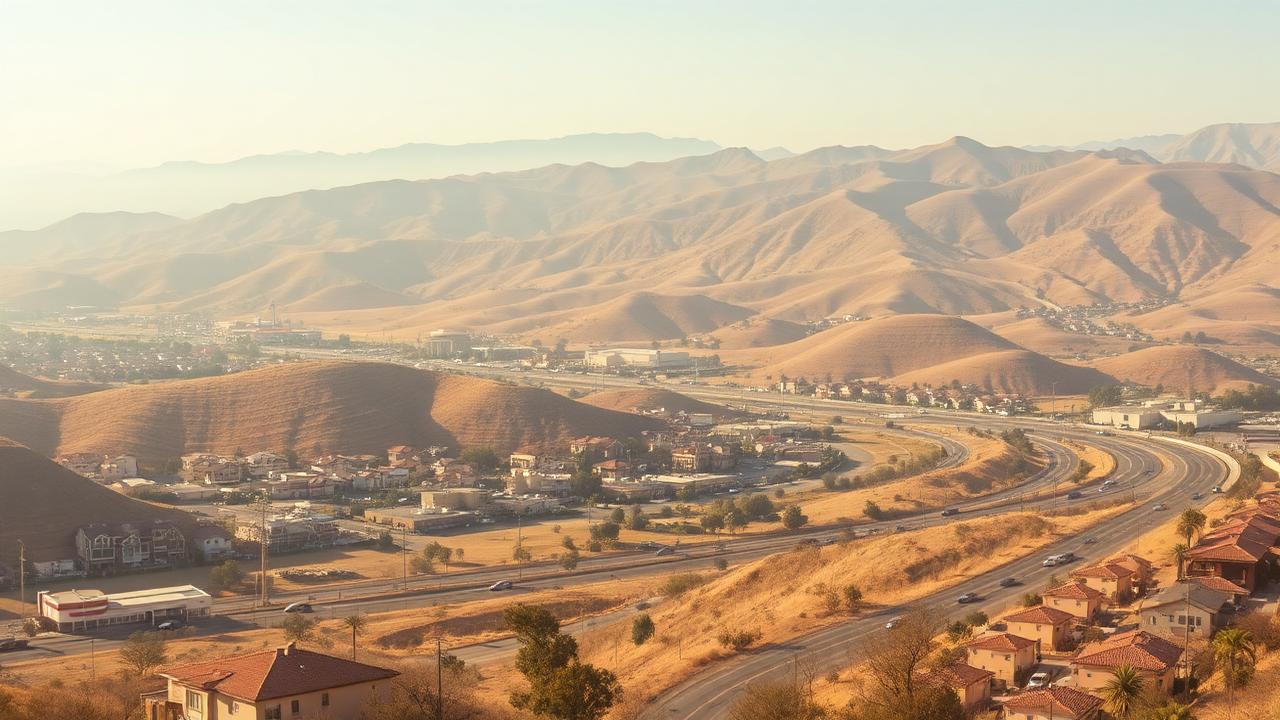
Corona hillside subdivision along the SR-91 corridor at sunset
    Corona, California

    Pest Control Software Built for Corona Operators

    A homeowner in a hillside tract above the SR-91 finds a rattlesnake near the block wall and calls in a mild panic before their commute, and a distribution center manager near the Corona rail yard needs a pest walkthrough logged before an outbound shipment gets flagged. We build the AI systems that handle both without either one waiting on hold.

    Typical Corona implementation goes live in about 30-90 days.

    Live answering, including early-commute hours
    24/7Live answering, including early-commute hours
    Simultaneous calls at peak
    UnlimitedSimultaneous calls at peak
    Full conversations, both languages
    EN + ESFull conversations, both languages
    API connections available
    1,000+API connections available

    Why Corona's pest calls follow the freeway and the hillsides

    Corona's identity as a commuter city wrapped around hillside subdivisions and warehouse distribution creates a call pattern unlike a flatland Inland Empire neighbor.

    Hillside tracts back directly into rattlesnake and rodent habitat

    Subdivisions built into the hills around South Corona and near Skyline Drive butt up against undeveloped brush, and homeowners there call about rattlesnakes near patios and rodent trails along block walls with a level of urgency that flatland neighborhoods rarely match.

    SR-91 commute patterns compress your calling window

    A large share of Corona residents commute west toward Orange County or east toward the Inland Empire job centers, which means calls cluster early in the morning before the freeway backs up and again late in the evening once people are finally home.

    Warehouse distribution accounts near the rail corridor expect commercial-grade response

    The distribution facilities that have grown up along the rail and freeway corridor near Corona expect pest vendors to respond and document like any other logistics supplier, not like a residential service company fitting them in when convenient.

    Hot, dry summers concentrate ant and spider activity near irrigation

    Once summer heat dries out the hillsides, Argentine ants and spiders concentrate wherever there is irrigation, pushing activity toward patios, pool equipment, and garages in older Corona neighborhoods near the Circle.

    New hillside development keeps expanding the wildland interface

    As new tracts continue climbing into the hills on Corona's south and east sides, more homes sit directly against undeveloped land, and each new phase brings a fresh wave of first-time wildlife and rodent calls from residents who have never lived next to open brush before.

    What we build for you

    What that means for your phones and your routes

    We are an implementation partner. The AI gets built around your Corona operation, then handed to you.

    Answer the early-morning rattlesnake call before the commute

    Voice AI picks up instantly during the pre-commute window when hillside residents are most likely to spot a snake or rodent activity near the house, booking the next available slot before anyone leaves for the 91.

    See Voice AI

    Give warehouse and distribution accounts logistics-grade responsiveness

    Commercial calls from facilities near the rail corridor get the same immediate, documented response those accounts expect from any freight or facilities vendor.

    See the AI Sales System

    Capture evening call volume after commuters get home

    Messaging AI and Voice AI both run around the clock, so the late-evening surge once Corona residents return from Orange County or the Inland Empire gets handled instead of hitting voicemail.

    See Messaging AI

    Keep new hillside-tract leads from going cold

    The AI Sales System follows up automatically with residents in newly developed hillside phases who inquire about wildlife exclusion, so first-time buyers new to the wildland interface become recurring customers.

    See the AI Sales System

    Want to see what this looks like against your own Corona call volume? We will walk through it on a 30-minute call.

    Book a Discovery Call

    Operators across greater Corona

    Service areas, ZIP rules, and drive times across Corona are configured during onboarding.

    • South Corona hillside tracts
    • Corona Circle / Old Town
    • Eagle Glen
    • Sierra del Oro
    • Corona rail and industrial corridor
    • Temescal Valley-adjacent areas

    Connected to the software you already run

    We have a deep, purpose-built FieldRoutes integration, and over 1,000 API connections available for everything else, so your Corona operation keeps one source of truth instead of four.

    All third-party product names, logos, and brands are property of their respective owners. Use of these names does not imply endorsement or affiliation.

    What AI adoption looks like in Corona

    Corona's phone patterns are set by the freeway and the hills as much as by the calendar. A hillside resident spots a rattlesnake before their SR-91 commute, and a warehouse account near the rail corridor needs the same discipline as any freight vendor. AI covers both ends of that range without you staffing an early shift just to catch the morning surge.

    • Hillside tracts near the wildland interface generate urgent rattlesnake and rodent calls
    • SR-91 commute patterns compress call volume into early-morning and evening windows
    • Warehouse and distribution accounts near the rail corridor expect logistics-grade vendor response
    • New hillside development phases keep introducing first-time wildlife callers unfamiliar with brush-adjacent living

    Deciding whether AI is right for your business at all is a separate question from which market you are in. We answer it honestly, including when the answer is not yet, in our AI decision guides, starting with should I use AI in my pest control business.

    Corona's pest calendar: hillside dry season, commute windows, and warehouse growth

    Corona's pest calendar is shaped less by rainfall than by dry-season brush conditions, the SR-91 commute clock, and a warehouse sector that keeps adding new accounts year-round.

    January - March

    Winter rains green up the hillside brush around South Corona and Skyline Drive, and rodents follow that vegetation growth closer to block walls and patios as it dries out later in spring, giving hillside residents an early preview of the season's exclusion needs.

    April - June

    As hillside brush starts drying out, rattlesnake sightings near patios and block walls in South Corona tracts begin climbing, and Argentine ant activity picks up around irrigation lines in older neighborhoods near the Circle.

    Summer dry season peak

    Peak dryness in the hills pushes rattlesnake and rodent activity to its highest point of the year, and hot, dry conditions concentrate spiders and ants wherever there is irrigation, pushing calls toward pool equipment, patios, and garages across South Corona and Eagle Glen.

    September - October Santa Ana wind stretch

    Offshore winds dry the hills out further and can push wildlife activity even higher just as the school year and warehouse peak shipping season both ramp up, stacking residential and commercial call volume at the same time.

    November - December

    Cooling temperatures send hillside rodents looking for warmth, often toward attached garages and crawlspaces in homes along the wildland interface, while warehouse accounts near the rail corridor see a pre-holiday shipping surge that raises the stakes on any pest sighting affecting outbound freight.

    Running crews between hillside tracts and the industrial corridor

    Corona operators split time between low-density hillside residential work with wildlife urgency and high-stakes warehouse accounts near the rail corridor, both shaped heavily by SR-91 commute timing.

    SR-91 commute windows compress the calling and routing day

    With many residents commuting toward Orange County or the Inland Empire, both inbound calls and available residential appointment windows cluster before 7am and after 6pm, so crews benefit from a schedule that front-loads hillside stops early and saves flexible commercial work for midday.

    Hillside terrain slows standard rodent and wildlife exclusion work

    Homes in South Corona and near Skyline Drive that back directly onto brush often require exclusion work around uneven terrain and block walls bordering open space, taking longer per visit than a flatland tract home near the Circle.

    Warehouse accounts near the rail corridor run on freight schedules, not standard business hours

    Distribution facilities along the rail and freeway corridor often need service scheduled around inbound and outbound freight windows, so commercial routes benefit from coordination with a facility's shipping calendar rather than a fixed weekly time slot.

    New hillside phases keep expanding the service footprint

    As tracts continue climbing into the hills on Corona's south and east sides, each new phase adds homes at the immediate wildland interface, meaning route planning has to account for a residential footprint that keeps growing outward rather than staying fixed.

    Corona pest control questions we get asked

    More reading for operators working Corona, CA and the markets around it.

    Corona AI guides

    Location-specific guides written for the pest pressure, routes, and customer behavior of this market.

    Corona overview
    • Should you use AIShould I use AI in my Corona pest control business?Coming soon.
    • Will customers talk to AIWill pest control customers in Corona talk to AI?Coming soon.
    • Best AI for pest controlWhat is the best AI for pest control in Corona?Coming soon.
    • Speed to leadHow can Corona pest control companies win with speed-to-lead?Coming soon.
    • Best software stackWhat is the best pest control software for Corona operators?Coming soon.
    • Local marketingHow should pest control companies in Corona market themselves locally?Coming soon.
    • Reviews & reputationHow can Corona pest control companies get more reviews and protect their reputation?Coming soon.
    • Seasonal playbookWhat is the seasonal pest control playbook for Corona?Coming soon.
    • Commercial AIHow does AI help commercial pest control accounts in Corona?Coming soon.
    • Hiring vs AIShould Corona pest control operators hire office staff or use AI?Coming soon.
    Free 48 KB PDF

    Download the Corona, CA Pest Control AI Playbook

    A short one-pager on the Corona market, the systems we build for operators here, and how implementation runs, written to be printed and passed around.

    • A Corona market snapshot, the pressure that drives your call volume
    • The AI systems we run for operators here, in plain language
    • What a 30-day implementation actually looks like
    • Printable, so you can hand it to your office team

    Last updated 2026-09-17

    Loading the Corona playbook form

    Three ways to see it working in Corona

    Book a demo

    A 30-minute walkthrough against your own Corona call volume.

    Book a Discovery Call

    Start a chat

    Try the messaging AI that answers texts, webchat, and social for pest control teams.

    Start a Chat

    Start free with PestGPT

    Use our free pest control AI assistant today, no contract, no setup call.

    Try PestGPT Free
    Final step

    Let's look at your Corona call log

    Bring your call history from a recent hot week. We will show you how many hillside rodent and snake calls came in before 7am and where they went.

    • A real review of your intake, not a canned demo
    • 30 minutes, and a typical implementation runs about 30-90 days
    • No contract to talk. We never share your details.

    Request your Corona walkthrough

    Prefer to pick a time yourself? Book a Discovery Call

    The California guide covers statewide pest pressure, licensing and call patterns, and links every California city guide we publish, including this one.

    Other California city guides