
New residents arrive faster than local reputation can spread
Falls Park and the West End have pulled in a wave of relocations from out of state, and those new homeowners search online for a provider instead of asking a longtime neighbor.
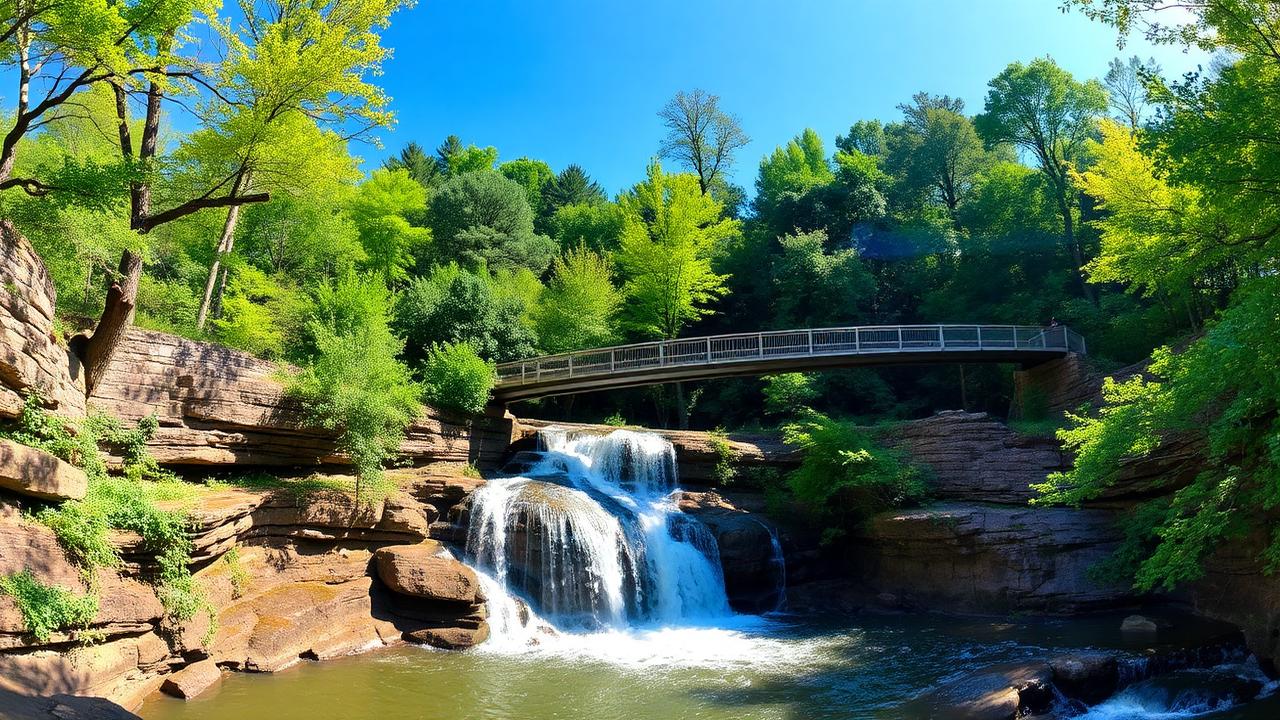
One of the fastest-growing downtowns in the Southeast, a manufacturing base anchored by the BMW corridor, and foothills crawlspaces that never fully dry out.
Typical Greenville implementation goes live in about 30-90 days.
Greenville is adding new residents and new manufacturing jobs faster than most Southeastern metros, and that growth is reshaping what a pest control front office needs to handle.
Falls Park and the West End have pulled in a wave of relocations from out of state, and those new homeowners search online for a provider instead of asking a longtime neighbor.
Suppliers and logistics operations strung along I-85 near the BMW manufacturing plant need pest management contracts with documented service records, not a one-off spray.
Homes built into the rolling grade toward the Blue Ridge foothills hold groundwater under the house longer than flatland construction, which keeps subterranean termites and moisture pests active for more of the year.
Subdivisions expanding around Five Forks and Simpsonville are graded and built so quickly that pretreatment records get lost between builders, leaving new owners calling in confused about what protection, if any, is already in place.
With homes changing hands constantly across Greenville County, requests for the state-required wood infestation report at closing arrive on a short deadline set by someone else's calendar.
We build the relocation surge, commercial contract structure, and closing-week urgency into your systems before launch.
Voice AI answers every new-to-Greenville inquiry immediately, which matters when the caller has no existing loyalty to any local company.
See Voice AIMessaging AI can log service confirmations for BMW-corridor suppliers and warehouses so contract renewals never rely on someone's memory.
See Messaging AIThe AI Sales System can hold pretreatment records by address so a Five Forks or Simpsonville homeowner gets an accurate answer on day one.
See the AI Sales SystemOutbound Campaigns can follow up after a CL-100 inspection to offer ongoing service to a household that just bought its first Greenville home.
See Outbound CampaignsWant to see what this looks like against your own Greenville call volume? We will walk through it on a 30-minute call.
Book a Discovery CallRelocation intake, commercial contract tracking, and pretreatment records get configured during onboarding.
We have a deep, purpose-built FieldRoutes integration, and over 1,000 API connections available for everything else, so your Greenville operation keeps one source of truth instead of four.
All third-party product names, logos, and brands are property of their respective owners. Use of these names does not imply endorsement or affiliation.
Greenville is unusual because its growth is arriving on two fronts at once: a wave of newcomers filling downtown and outlying subdivisions, and a manufacturing base along the BMW corridor that keeps expanding its supplier base. Neither group has an existing relationship with a local pest company, and both expect a fast, professional first response. Foothills terrain adds a slower-moving pressure of its own, since crawlspace moisture keeps subterranean termite activity going longer into the year than flatland Midlands or coastal markets see.
Deciding whether AI is right for your business at all is a separate question from which market you are in. We answer it honestly, including when the answer is not yet, in our AI decision guides, starting with should I use AI in my pest control business.
Greenville's foothills grade, humid Upstate summers, and steady year-round relocation each shape a distinct set of call patterns through the year.
Termite swarmers emerge early in the Upstate's mild late-winter warmups, and foothills homes with persistent crawlspace moisture near Paris Mountain often see the season's first activity before flatland Midlands markets do.
Spring rain saturates the graded lots around Five Forks and Simpsonville, and new-construction subdivisions generate a wave of pretreatment questions from first-time owners unsure what protection, if any, is already in place.
Downtown relocation searches peak through the summer as new residents settle in around Falls Park and the West End, while BMW-corridor suppliers along I-85 keep steady commercial contract renewals moving through the hottest months.
Cooling temperatures push rodents toward foothills homes with persistent under-house moisture, and closing season brings a steady run of CL-100 wood infestation report requests tied to fall home sales.
First frosts send ants and occasional roaches indoors in older in-town Greenville neighborhoods, and holiday-season home sales keep CL-100 requests arriving on tight closing deadlines.
A quieter stretch for most Upstate companies, though foothills crawlspace moisture never fully dries out even in winter, keeping a low, steady baseline of subterranean termite and moisture-pest inspections going.
Greenville routes stretch from dense, fast-changing downtown blocks out along I-85 to the manufacturing corridor and further out to the graded new subdivisions in Five Forks and Simpsonville.
Supplier and warehouse accounts strung along I-85 toward the BMW plant are typically grouped into their own route block, since commute-hour traffic on that stretch can add real delay if mixed with residential stops.
Downtown's rapid growth means more multifamily and mixed-use stops packed into a small area, which changes routing math compared to spread-out suburban service.
Fast subdivision growth on the eastern side of the metro means routing systems need frequent updates to keep pace with where new customers are actually moving in.
Homes built into the rolling terrain toward Paris Mountain and the Blue Ridge foothills sit on curvier, steeper roads than the flatter east-side suburbs, adding real minutes between stops.
Logistics and manufacturing growth near Greenville-Spartanburg International Airport creates its own concentration of commercial accounts, usually grouped separately from in-town Greenville stops.
Wood infestation report requests tied to real estate closings arrive with fixed dates set by an agent or attorney, so those inspections often get inserted into the schedule ahead of routine recurring stops.
Heavy retail traffic along Woodruff Road near Mauldin can slow midday travel between stops, so routes crossing that corridor are often scheduled outside peak shopping hours.
The northern edge of the metro near Travelers Rest adds 20-25 minutes of drive time from downtown, so those stops are typically grouped together rather than mixed into in-town routes.
More reading for operators working Greenville, SC and the markets around it.
Location-specific guides written for the pest pressure, routes, and customer behavior of this market.
A short one-pager on the Greenville market, the systems we build for operators here, and how implementation runs, written to be printed and passed around.
Last updated 2026-09-17
Try the messaging AI that answers texts, webchat, and social for pest control teams.
Start a ChatUse our free pest control AI assistant today, no contract, no setup call.
Try PestGPT FreeLook at how many first-time Greenville homeowner calls last quarter never converted. In a market growing this fast, that lost caller becomes someone else's recurring account.
The South Carolina guide covers statewide pest pressure, licensing and call patterns, and links every South Carolina city guide we publish, including this one.