
Rain keeps rodents and moisture ants active most of the year
Older homes in Rockwood and Centennial with crawl spaces and aging foundations give rats, mice and moisture ants easy access during the wet season.
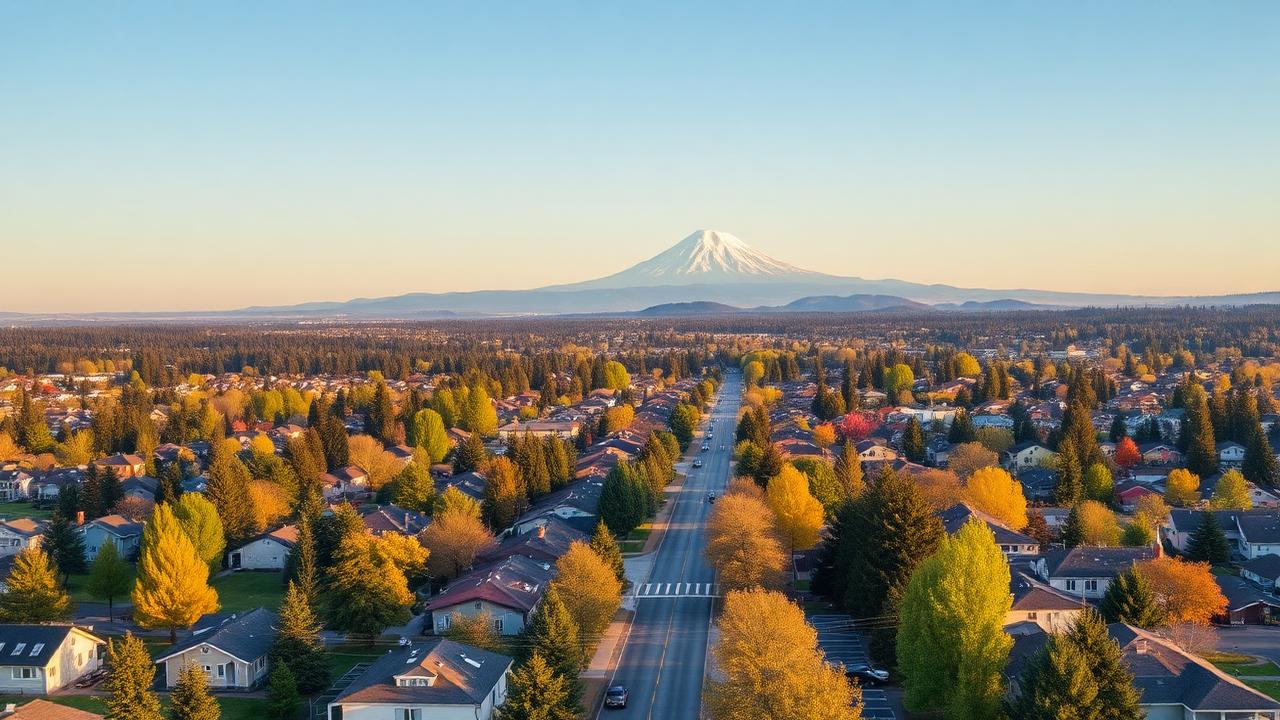
Wet Pacific Northwest winters, dense older neighborhoods, and a mix of urban and semi-rural service areas keep Gresham crews moving from Rockwood to Pleasant Valley. Our AI systems answer every call while your team handles the routes.
Typical Gresham implementation goes live in about 30-90 days.
Long Willamette Valley rainy seasons and a housing stock spanning older city neighborhoods to semi-rural outskirts create steady, varied demand.
Older homes in Rockwood and Centennial with crawl spaces and aging foundations give rats, mice and moisture ants easy access during the wet season.
Established neighborhoods with mature trees and older framing see steady carpenter ant activity, especially after damp winters.
Properties toward Pleasant Valley and Boring border farmland and wooded areas, drawing rodents and occasional wildlife into structures.
Homeowners often compare Gresham providers against Portland-metro competitors, so fast, clear quotes matter.
We configure around wet-season rodent and moisture-pest volume plus competitive Portland-metro quoting.
Voice AI answers around the clock during Gresham's long wet season so rodent and moisture-pest calls never go to voicemail.
See Voice AIMessaging AI confirms appointments and follow-ups for structural ant work in established neighborhoods.
See Messaging AIThe AI Sales System responds instantly to new inquiries so Gresham homeowners choose you before calling a Portland-metro competitor.
See the AI Sales SystemWant to see what this looks like against your own Gresham call volume? We will walk through it on a 30-minute call.
Book a Discovery CallService areas from Gresham out through Rockwood, Troutdale and Pleasant Valley are configured during onboarding.
We have a deep, purpose-built FieldRoutes integration, and over 1,000 API connections available for everything else, so your Gresham operation keeps one source of truth instead of four.
All third-party product names, logos, and brands are property of their respective owners. Use of these names does not imply endorsement or affiliation.
Gresham operators work a market shaped by long rainy seasons, older housing stock, and competition from the broader Portland metro. AI intake keeps every rainy-season call and every new inquiry covered.
Deciding whether AI is right for your business at all is a separate question from which market you are in. We answer it honestly, including when the answer is not yet, in our AI decision guides, starting with should I use AI in my pest control business.
Rockwood's aging duplexes and the semi-rural fringe near Boring don't run on the same clock, so Gresham crews juggle two distinct calendars most of the year. Reading the wet-season buildup correctly keeps rodent and carpenter ant callbacks from piling up in February.
As Willamette Valley rains set in through October, Norway rats and house mice start pushing into crawl spaces along Powell Boulevard and the older duplex rows in Rockwood and Centennial. Gutters clogged with bigleaf maple leaves hold moisture against foundations built before modern vapor barriers were standard, giving rodents an easy entry seam. Calls climb through November as temperatures drop into the 30s and 40s and outdoor food sources disappear. Crews that pre-schedule exclusion work in early October instead of waiting for the first cold snap avoid the December scramble when every rat call becomes urgent same-week work.
Prolonged saturation from Pacific storms moving off the Columbia River Gorge keeps framing damp in older homes near Main City Park and along Division Street, and carpenter ants become active earlier than most homeowners expect. Winged swarmers inside a bathroom or attic in February is a common Gresham call, usually tracing back to a moisture problem the homeowner hadn't noticed. Techs need moisture meters on every winter carpenter ant inspection here, not just bait placement, because treating the ants without addressing the wet wood behind Gresham's older siding just brings the colony back by spring.
As the rain eases but soil stays saturated through Troutdale and the lower elevations near the Sandy River, moisture ants and odorous house ants start trailing into kitchens looking for sugar sources. Spring is also when Gresham's semi-rural edge toward Pleasant Valley and Boring sees the first vole and mole damage reports in lawns as the ground softens enough for tunneling to become visible. New-construction subdivisions filling in east of Hogan Road generate a steady run of first-time ant calls from homeowners unfamiliar with older-home moisture patterns, a different customer than the established Rockwood client base.
Gresham's short dry season brings yellowjackets and paver wasps into backyards near Main City Park and the community gardens along Butler Creek, with ground nests becoming a real hazard for kids and pets by August. Homes bordering the wooded fringe near Gresham Butte see the heaviest activity as foraging ranges expand. This is also when semi-rural properties toward Boring report the season's occasional wildlife intrusion, from raccoons denning under decks to squirrels working into attic vents before the fall rains return and rodent season starts the cycle over.
Dense inner neighborhoods and spread-out semi-rural stops don't route the same way, and Gresham's traffic patterns punish crews who plan routes without accounting for both. Getting sequencing right on Powell Boulevard and Burnside saves real drive time.
Powell Boulevard and East Burnside Street both bottleneck during Portland-metro commute hours, and a Gresham crew working Rockwood in the morning can lose 20 minutes trying to cross to a Troutdale stop at the wrong time. Routing software that accounts for time-of-day congestion on these two corridors, rather than straight-line distance, keeps techs from getting stuck between jobs during the 7-9am and 4-6pm windows when Gresham's east-west arterials slow to a crawl.
Rockwood and Centennial pack older duplexes and small lots close together, so a tech can often complete four or five stops within a mile. Pleasant Valley and the land toward Boring flip that ratio, with larger lots and longer driveways stretching drive time between accounts. Crews need separate daily quotas for dense-zone days versus outskirt days, because treating them the same way either overbooks the rural route or leaves the urban route light.
Homes in Rockwood and Centennial built before the 1970s often have partial crawl spaces, older foundation vents, and knob-and-tube wiring that slow down inspection and exclusion work compared to newer builds near Pleasant Valley. Scheduling needs to budget extra time for these older-stock jobs rather than assuming a uniform appointment length, especially for rodent exclusion work where sealing gaps in original 1960s construction takes longer than sealing a home built to current code.
Gresham's rodent and carpenter ant season builds fast once October rains arrive, and crews that wait until the first surge of calls to add capacity fall behind quickly. Bringing on seasonal help in September, before the wet season starts, and cross-training techs to handle both rodent exclusion and structural ant inspections lets a smaller crew flex across Rockwood's dense duplex rows and the semi-rural stops out past Pleasant Valley without falling behind either route.
More reading for operators working Gresham, OR and the markets around it.
Location-specific guides written for the pest pressure, routes, and customer behavior of this market.
A short one-pager on the Gresham market, the systems we build for operators here, and how implementation runs, written to be printed and passed around.
Last updated 2026-09-17
Try the messaging AI that answers texts, webchat, and social for pest control teams.
Start a ChatUse our free pest control AI assistant today, no contract, no setup call.
Try PestGPT FreePull last November through February. We'll show you how many rodent and moisture-pest calls came in after hours and were never returned.
The Oregon guide covers statewide pest pressure, licensing and call patterns, and links every Oregon city guide we publish, including this one.