
Yellowjackets and wasps surge with the harvest
Pear orchards and backyard fruit trees around Central Point and Eagle Point draw heavy wasp activity into early fall, spiking urgent calls.
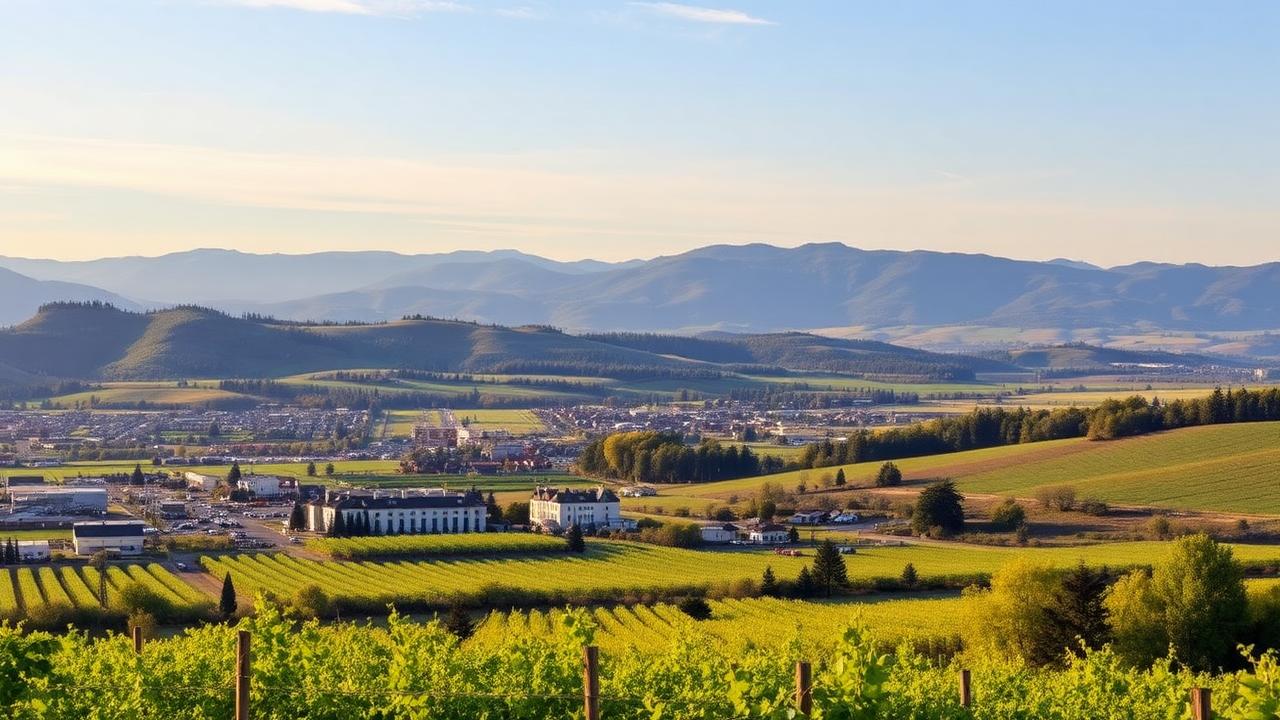
Hot, dry Rogue Valley summers, surrounding pear orchards and vineyards, and a growing suburban ring keep Medford crews busy from Central Point to Jacksonville. Our AI systems answer every call while your team is out working the valley.
Typical Medford implementation goes live in about 30-90 days.
The Rogue Valley's hot dry summers, surrounding orchards and vineyards, and expanding suburbs create a steady mix of seasonal and structural pest work.
Pear orchards and backyard fruit trees around Central Point and Eagle Point draw heavy wasp activity into early fall, spiking urgent calls.
Argentine ants and various spiders move toward irrigated lawns and cooler indoor space during the valley's hottest stretch.
Properties bordering agricultural land see deer mice and roof rats move toward structures, especially after harvest clears cover.
Expanding neighborhoods around Medford and White City bring first-time pest control shoppers who call multiple companies before choosing one.
We configure around harvest-season wasp spikes, orchard-adjacent rodent calls, and competitive new-customer quoting.
Voice AI answers around the clock during the late-summer surge so stinging-insect emergencies are scheduled the same day.
See Voice AIMessaging AI follows up with homeowners bordering agricultural land as rodent pressure builds after harvest.
See Messaging AIThe AI Sales System captures and routes new quote requests immediately, so growing neighborhoods become long-term accounts.
See the AI Sales SystemWant to see what this looks like against your own Medford call volume? We will walk through it on a 30-minute call.
Book a Discovery CallService areas from Medford out through Central Point, Jacksonville and White City are configured during onboarding.
We have a deep, purpose-built FieldRoutes integration, and over 1,000 API connections available for everything else, so your Medford operation keeps one source of truth instead of four.
All third-party product names, logos, and brands are property of their respective owners. Use of these names does not imply endorsement or affiliation.
Medford operators work a valley market shaped by orchard and vineyard agriculture, hot dry summers, and expanding suburbs. AI intake keeps seasonal spikes and new customer inquiries covered around the clock.
Deciding whether AI is right for your business at all is a separate question from which market you are in. We answer it honestly, including when the answer is not yet, in our AI decision guides, starting with should I use AI in my pest control business.
The Rogue Valley's agricultural surroundings shape a pest calendar tied tightly to harvest and irrigation cycles. Reading the timing right, from spring ant emergence to fall wasp surges, keeps Medford crews ahead of the rush instead of reacting to it.
As Rogue Valley temperatures climb and orchardists around Central Point and Eagle Point start irrigating pear trees and vineyards, Argentine ants follow moisture toward foundations and irrigated lawns in neighboring subdivisions. Spiders including hobo spiders become more visible as they emerge from winter dormancy in woodpiles and garages. This is also when new-construction subdivisions spreading toward White City generate a wave of first-time service calls from homeowners who spot their first spring ant trail and start comparison-shopping local providers.
Medford's peak summer heat, often exceeding 100 degrees, dries out the surrounding foothills and pushes ants, spiders and occasional rodents toward irrigated yards and cooler indoor space in town. Vineyards and orchards around Jacksonville and Talent see increased pest scouting activity as growers protect crops, and pest pressure on adjacent residential properties follows a similar rhythm. This stretch also brings the valley's dry heat lightning risk, which occasionally displaces wildlife toward residential areas at the wildland edge near the Table Rocks.
Pear harvest around Central Point, Eagle Point and the broader Rogue Valley draws heavy yellowjacket and paver wasp activity as fallen and overripe fruit becomes an abundant food source. Calls spike sharply through September as ground nests near orchards and backyard fruit trees become aggressive protecting a late-season food supply, and stings become common enough that same-day scheduling becomes the norm. This is Medford's single busiest stretch for urgent, same-day pest calls, concentrated tightly around six to eight weeks.
As harvest ends and surrounding orchards and vineyards go dormant, deer mice and roof rats that had cover among fallen fruit and dense foliage move toward nearby homes seeking food and shelter, particularly in neighborhoods bordering agricultural land near Phoenix and Talent. Cooler, wetter valley winters also bring occasional cluster fly activity in older homes near downtown Medford. Crews use this slower stretch to schedule exclusion work and rodent-proofing before the following year's harvest cycle restarts the wasp surge.
Medford crews cover ground stretching from dense in-town neighborhoods to orchard-lined rural roads, and Interstate 5 and Highway 62 both shape how efficiently that territory gets served. Matching route design to the valley's geography keeps drive time from eating into billable hours.
Interstate 5 runs the length of the Rogue Valley and connects Medford to Central Point and Phoenix, but it bottlenecks during commute hours and around retail corridors near the Rogue Valley Mall. Crews moving between a morning Medford stop and an afternoon Central Point job need routing that accounts for I-5 slowdowns rather than assuming consistent highway speeds, since a poorly timed merge can add 15 minutes to what should be a short hop.
Highway 62 stretches northeast toward Eagle Point and White City through increasingly rural terrain, and stops out that direction take meaningfully longer to reach than in-town Medford jobs. Batching Eagle Point and White City service calls onto the same route day, rather than scattering them across the week, cuts down on repeated long drives out Highway 62 and keeps techs closer to town on days with tighter schedules.
Homes bordering pear orchards and vineyards near Jacksonville and Talent often require a longer perimeter inspection than a typical in-town property, since rodent entry points and wasp nest sites can be spread across a larger lot with agricultural buffers. Scheduling needs to budget extra time for these edge-of-town properties rather than treating them the same as a standard suburban lot inside Medford city limits.
The six-to-eight-week wasp surge tied to pear harvest around Central Point and Eagle Point creates a spike in urgent same-day calls that a normal crew size can't absorb without help. Bringing on seasonal technicians in August, ahead of the September peak, and cross-training existing crews on both stinging-insect response and routine rodent work lets Medford operators handle the harvest surge without letting other service commitments slip.
More reading for operators working Medford, OR and the markets around it.
Location-specific guides written for the pest pressure, routes, and customer behavior of this market.
A short one-pager on the Medford market, the systems we build for operators here, and how implementation runs, written to be printed and passed around.
Last updated 2026-09-17
Try the messaging AI that answers texts, webchat, and social for pest control teams.
Start a ChatUse our free pest control AI assistant today, no contract, no setup call.
Try PestGPT FreePull last August and September. We'll show you how many stinging-insect calls came in after hours and never got a callback.
The Oregon guide covers statewide pest pressure, licensing and call patterns, and links every Oregon city guide we publish, including this one.