
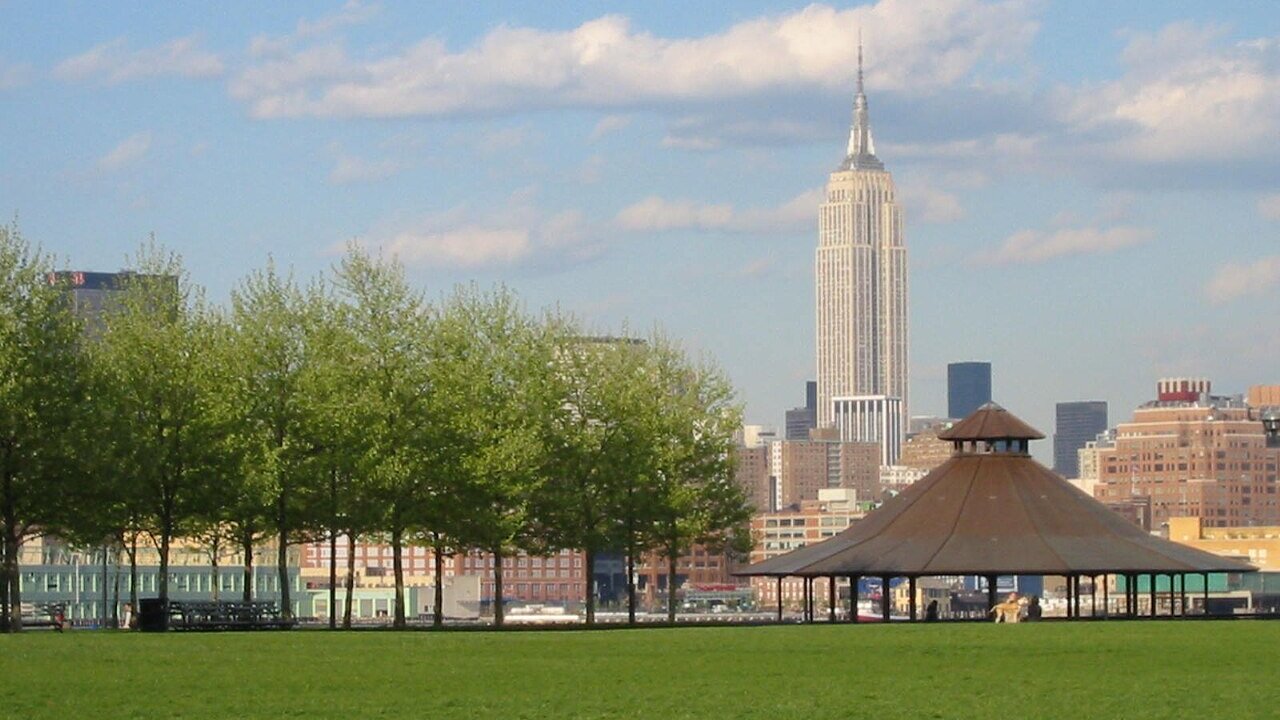
Rows of brownstone buildings along a tree-lined street in Hoboken, New Jersey
    Hoboken, New Jersey

    Pest Control Software Built for Hoboken Operators

    One square mile of brownstones, a Washington Street restaurant row that never stops turning tables, and a renter population that swaps apartments every August make Hoboken one of the densest, fastest-moving service areas in New Jersey. Our AI systems keep pace with every one of those calls.

    Typical Hoboken implementation goes live in about 30-90 days.

    Why one square mile creates outsized call volume

    Hoboken packs more housing units and restaurants per block than almost anywhere else in New Jersey, so route density is high but every building has its own access quirks.

    Brownstone basements and shared walls move pests between units fast

    Row after row of converted brownstones share basements, common walls, and tight backyards, so a mouse or roach complaint in one unit is frequently a sign the building next door needs a look too.

    Washington Street's restaurant row runs on tight turnaround and health inspections

    The dense strip of restaurants and bars along Washington Street operates elbow to elbow with shared alley space, and an unaddressed rodent sighting can show up on a health inspection before the next scheduled service visit.

    August lease turnover floods the calendar with move-in and move-out inspections

    With a huge share of Hoboken's rental stock turning over on the same late-summer schedule, requests for pre-move-in bed bug checks and post-move-out treatments arrive in a concentrated few weeks that most staffing plans aren't built for.

    Street parking and building access rules slow down same-day dispatch

    Technicians circling for parking and buildings requiring buzzer or super access before entry both add friction that a caller expects your office to already know about when they book.

    Hudson River flood zones near the waterfront bring recurring rodent pressure

    Low-lying blocks near the light rail and waterfront parks flood periodically, and each flood event pushes rats out of storm drains and building foundations into nearby residential blocks for weeks afterward.

    What we build for you

    What that means for your phones and your crews

    We configure around a mile-square city where a restaurant owner and a landlord managing an August turnover can both need you the same afternoon.

    Flag restaurant-row accounts for inspection-speed response

    Voice AI can prioritize commercial callers along Washington Street so a rodent sighting gets scheduled before it becomes a health inspection issue.

    See Voice AI

    Handle the August turnover surge without dropped requests

    Messaging AI absorbs the spike in move-in and move-out inspection requests each late summer, keeping response times consistent even when volume multiplies for a few weeks.

    See Messaging AI

    Capture building access details before the truck rolls

    Voice AI records buzzer codes, super contacts, and parking notes on the first call, so technicians aren't burning appointment time trying to get inside a brownstone.

    See Voice AI

    Want to see what this looks like against your own Hoboken call volume? We will walk through it on a 30-minute call.

    Book a Discovery Call

    Operators across the Hoboken area

    Service areas across Hoboken's dense residential blocks and commercial corridors are configured during onboarding.

    • Hoboken
    • Washington Street corridor
    • Uptown Hoboken
    • Downtown Hoboken
    • Midtown Hoboken
    • Hoboken Terminal area
    • Weehawken border
    • Castle Point

    Connected to the software you already run

    We have a deep, purpose-built FieldRoutes integration, and over 1,000 API connections available for everything else, so your Hoboken operation keeps one source of truth instead of four.

    All third-party product names, logos, and brands are property of their respective owners. Use of these names does not imply endorsement or affiliation.

    What AI adoption looks like in Hoboken

    Hoboken operators cover a city so dense that a single missed rodent report can spread across a whole row of brownstones, and a rental market that turns over almost entirely in one late-summer window. Intake that captures access details up front and can absorb a seasonal volume spike protects revenue that a fixed-capacity front desk usually loses.

    • Shared brownstone basements and walls spread pest complaints between adjoining units
    • Washington Street restaurant row needs inspection-speed response to protect health ratings
    • A concentrated August lease-turnover season creates a sharp spike in inspection requests
    • Buzzer access and street parking constraints require details captured before dispatch

    Deciding whether AI is right for your business at all is a separate question from which market you are in. We answer it honestly, including when the answer is not yet, in our AI decision guides, starting with should I use AI in my pest control business.

    The Hoboken pest calendar, month by month

    Hoboken's seasonal pattern is shaped as much by the academic-year rental cycle as by the weather, layered on top of a dense Hudson County climate.

    March - May

    Ants and pantry pests reawaken as buildings warm up, particularly in older brownstone kitchens near Washington Street where cracks in century-old plaster give easy entry. Spring also brings a wave of pre-lease pest inspections as renters negotiating summer moves want a unit checked before signing. Restaurant patios reopening along Washington Street generate a rise in outdoor rodent and pigeon-adjacent nuisance calls as sidewalk dining resumes.

    June - August

    Roach activity peaks in the summer heat, especially in older multi-unit buildings without central air where windows stay open and reintroduce pests from outside. Restaurant row sees its highest rodent-sighting volume of the year as outdoor dining waste accumulates faster than collection schedules can keep up. Mosquito complaints rise near any standing water in backyards or construction sites along the waterfront redevelopment corridor.

    September (the turnover surge)

    The single heaviest call volume of the year hits as thousands of leases turn over on or near September 1st, and pre-move-in inspections, post-move-out treatments, and bed bug checks all compress into a few frantic weeks. Property managers juggling dozens of units at once expect same-day scheduling, and a slow response during this window is the fastest way to lose a management company's business for the following year.

    October - November

    Rodents begin moving indoors as outdoor temperatures drop, and brownstone basements with shared walls see a rise in mouse activity that frequently affects more than one unit at a time. Restaurant-row accounts request pre-winter exclusion work to seal gaps before cold weather drives rats indoors in greater numbers.

    December - February

    Winter is the steadiest season for rodent calls, as mice and rats seek warm brownstone basements and restaurant kitchens along Washington Street for shelter. Heating system startups in older buildings sometimes reveal pest activity that had gone unnoticed in unused areas, generating a small but steady stream of new-account inspection requests through the coldest months.

    Post-flood window: waterfront and low-lying block rodent surges

    Following heavy rain or tidal flooding events near the Hudson River waterfront and light rail corridor, storm drains and building foundations flood, pushing rats into nearby residential blocks for several weeks afterward. These surges cluster tightly around the flood-prone streets closest to the water and require faster-than-normal response to prevent the displaced population from establishing in new buildings.

    What routing one square mile actually costs you

    Hoboken's density means routing is less about distance and more about parking, access, and timing within a compressed grid.

    Street parking eats appointment time before a tech ever knocks

    Hoboken's resident-permit parking and narrow streets mean a technician can spend fifteen minutes circling for a spot near a Washington Street or Willow Avenue address, and building that friction into scheduled appointment windows keeps the day's route realistic.

    Buzzer and super access has to be confirmed before dispatch

    Many multi-unit buildings require buzzer codes or a superintendent to let a tech in, and an unconfirmed access detail turns a scheduled ten-minute stop into a missed appointment that has to be rebooked.

    Washington Street commercial stops need business-hours scheduling

    Restaurants along the main commercial corridor need service timed around prep and service hours, and scheduling these accounts into the same block each week, rather than scattering them throughout the day, keeps commercial and residential routes from colliding.

    The PATH and light rail corridor creates predictable congestion windows

    Commuter rush around the PATH station and Hoboken Terminal backs up traffic on the streets nearest the waterfront twice a day, and routing residential stops in that zone outside the 7-9am and 5-7pm windows avoids the worst of it.

    Shared-wall buildings often need a two-unit visit, not one

    Because pest activity in a brownstone frequently affects the unit next door, crews benefit from checking adjoining units during the same visit rather than scheduling a separate follow-up trip a week later.

    September turnover requires temporary staffing decisions well ahead of time

    The concentrated wave of lease-turnover inspections each September is predictable months in advance, and operators who plan additional coverage or overtime ahead of that window avoid the scramble that catches unprepared companies every year.

    Flood-prone blocks near the waterfront need a standing response plan

    Rather than treating each flood event as a one-off emergency, building a standing post-flood response protocol, including which blocks typically flood and how quickly rodent activity follows, cuts response time when the next storm hits.

    Uptown and Downtown Hoboken have different building-age profiles

    Uptown's newer construction near Weehawken tends to need less exclusion work than the older Downtown brownstones near Castle Point, and routing crews with the right tools for each area's housing stock avoids a mismatched job.

    Hoboken pest control questions we get asked

    Hoboken AI guides

    Location-specific guides written for the pest pressure, routes, and customer behavior of this market.

    Hoboken overview
    • Should you use AIShould I use AI in my Hoboken pest control business?Coming soon.
    • Will customers talk to AIWill pest control customers in Hoboken talk to AI?Coming soon.
    • Best AI for pest controlWhat is the best AI for pest control in Hoboken?Coming soon.
    • Speed to leadHow can Hoboken pest control companies win with speed-to-lead?Coming soon.
    • Best software stackWhat is the best pest control software for Hoboken operators?Coming soon.
    • Local marketingHow should pest control companies in Hoboken market themselves locally?Coming soon.
    • Reviews & reputationHow can Hoboken pest control companies get more reviews and protect their reputation?Coming soon.
    • Seasonal playbookWhat is the seasonal pest control playbook for Hoboken?Coming soon.
    • Commercial AIHow does AI help commercial pest control accounts in Hoboken?Coming soon.
    • Hiring vs AIShould Hoboken pest control operators hire office staff or use AI?Coming soon.
    Free 48 KB PDF

    Download the Hoboken, NJ Pest Control AI Playbook

    A short one-pager on the Hoboken market, the systems we build for operators here, and how implementation runs, written to be printed and passed around.

    • A Hoboken market snapshot, the pressure that drives your call volume
    • The AI systems we run for operators here, in plain language
    • What a 30-day implementation actually looks like
    • Printable, so you can hand it to your office team

    Last updated 2026-09-17

    Loading the Hoboken playbook form

    Three ways to see it working in Hoboken

    Book a demo

    A 30-minute walkthrough against your own Hoboken call volume.

    Book a Discovery Call

    Start a chat

    Try the messaging AI that answers texts, webchat, and social for pest control teams.

    Start a Chat

    Start free with PestGPT

    Use our free pest control AI assistant today, no contract, no setup call.

    Try PestGPT Free
    Final step

    Let's look at your August turnover call volume

    Pull last year's late-summer call logs. We can show you how many move-in and move-out inspection requests waited more than a day for a response.

    • A real review of your intake, not a canned demo
    • 30 minutes, and a typical implementation runs about 30-90 days
    • No contract to talk. We never share your details.

    Request your Hoboken walkthrough

    Prefer to pick a time yourself? Book a Discovery Call