
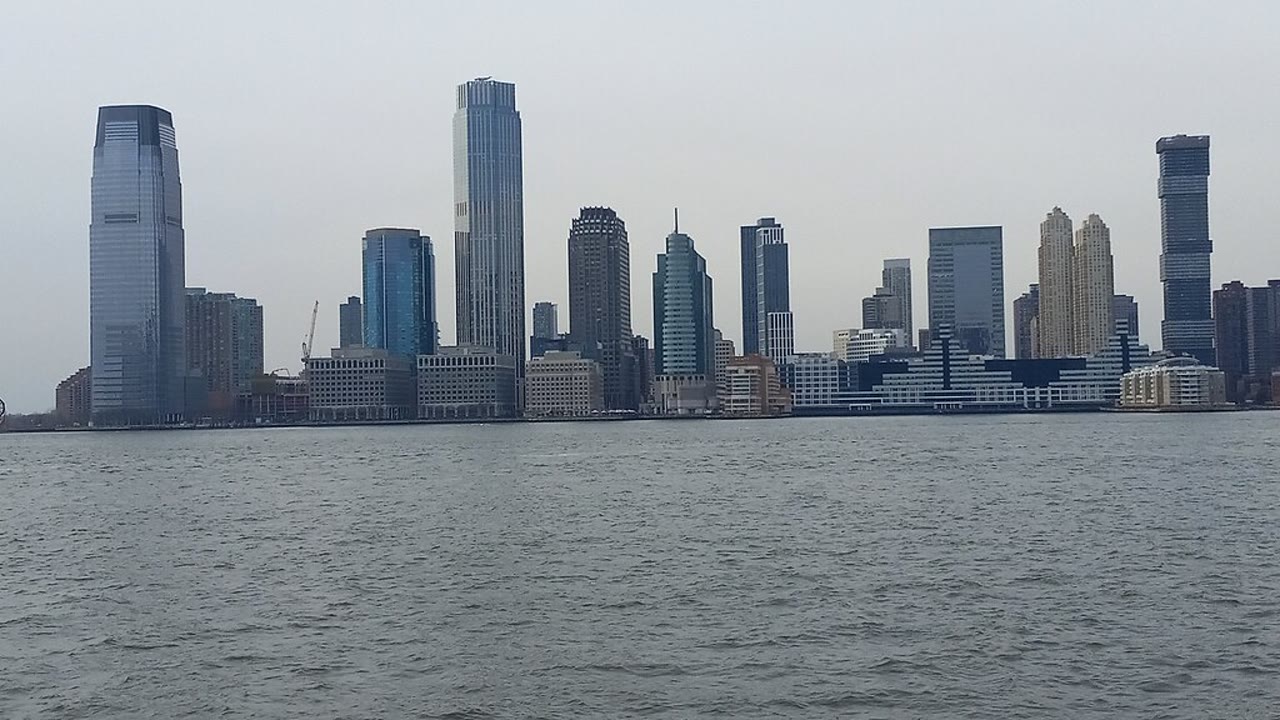
Waterfront high-rise skyline along the Hudson River in Jersey City, New Jersey
    Jersey City, New Jersey

    Pest Control Software Built for Jersey City Operators

    Glass towers along Exchange Place, century-old rowhomes climbing the hill toward Journal Square, and a renter base that catches the PATH before sunrise give Jersey City a call pattern that never sits still. Our AI systems answer every one of those calls the instant they land.

    Typical Jersey City implementation goes live in about 30-90 days.

    Why Jersey City runs on three overlapping pest calendars

    A waterfront financial district, a dense immigrant retail corridor, and blocks of pre-war rowhomes sit within a fifteen-minute walk of each other, and each one calls about something different.

    Exchange Place towers need building-management sign-off before crews arrive

    High-rise residential and office buildings along the waterfront require advance notice through a building super or management company before a technician can even reach the unit, so a same-day complaint has to clear that gate fast or it slips to the next day.

    Journal Square rowhomes hide shared-wall pest transfer

    Attached brick rowhomes near Journal Square and the McGinley Square corridor let mice and roaches move through common walls and shared basements, so a single complaint from one household usually means the whole block needs attention within days.

    The PATH commute leaves a narrow window to reach residential callers

    With a large share of residents riding the PATH into Manhattan before 8 a.m. and not returning until evening, a callback placed mid-morning routinely goes straight to voicemail until well after dark.

    Waterfront construction and older brick stock both drive rodent pressure

    Ongoing high-rise construction along the Hudson displaces rodent colonies into surrounding blocks, while the aging brick and frame housing stock further inland gives those same rodents easy points of entry once they move.

    Bed bugs move fast through shared laundry rooms and hallways

    Mid-rise rental buildings across Bergen-Lafayette and Greenville often share laundry facilities and narrow hallway traffic, and a single bed bug complaint frequently turns into a multi-unit inspection request once management realizes how the building is laid out.

    What we build for you

    What that means for your phones and your crews

    We configure around a city where a building superintendent and a PATH commuter both need an answer, just on completely different clocks.

    Clear building-management approval without losing the day

    Voice AI captures unit number, building contact, and access requirements on the first call so your team can request super approval the same morning instead of after a missed message.

    See Voice AI

    Coordinate rowhome block treatments over text

    Messaging AI keeps a documented thread with neighboring rowhome households, making it easier to schedule a shared-wall treatment across adjoining units without a dozen separate phone calls.

    See Messaging AI

    Reach commuter households after the evening train

    Outbound campaigns time callback offers for the evening hours when PATH commuters are actually home, instead of the mid-morning window that reaches almost no one.

    See Outbound Campaigns

    Want to see what this looks like against your own Jersey City call volume? We will walk through it on a 30-minute call.

    Book a Discovery Call

    Operators across the Jersey City area

    Service areas from the waterfront towers to the western hill neighborhoods are configured during onboarding.

    • Jersey City
    • Exchange Place
    • Journal Square
    • The Heights
    • McGinley Square
    • Greenville
    • Paulus Hook
    • Bergen-Lafayette

    Connected to the software you already run

    We have a deep, purpose-built FieldRoutes integration, and over 1,000 API connections available for everything else, so your Jersey City operation keeps one source of truth instead of four.

    All third-party product names, logos, and brands are property of their respective owners. Use of these names does not imply endorsement or affiliation.

    What AI adoption looks like in Jersey City

    Jersey City operators juggle high-rise buildings that gate every visit through management, rowhome blocks where one complaint spreads to the neighbors, and a renter base that keeps commuter hours rather than a 9-to-5 schedule. Intake that captures building access details up front and calls back on commuter time does more here than a generic answering desk.

    • Waterfront high-rises require building-management or super approval before service
    • Attached rowhome construction spreads pest complaints across shared walls block by block
    • PATH commuter schedules leave only early-morning and evening windows for residential callbacks
    • Waterfront construction activity displaces rodent colonies into surrounding blocks

    Deciding whether AI is right for your business at all is a separate question from which market you are in. We answer it honestly, including when the answer is not yet, in our AI decision guides, starting with should I use AI in my pest control business.

    The Jersey City pest calendar, quarter by quarter

    A dense mix of waterfront high-rises, pre-war rowhomes, and a humid mid-Atlantic climate gives Jersey City a call pattern shaped more by building type than by weather alone.

    March - May

    German cockroach complaints climb across Journal Square and McGinley Square rowhomes as heating systems cycle off and moisture patterns shift in shared basements. Ants begin appearing along Hudson waterfront landscaping as the ground warms, and building management companies at Exchange Place start fielding early-season complaints as windows and balcony doors reopen for the first time since fall.

    June - August

    Humidity peaks and drives roach and ant activity hard across both high-rise units and rowhome basements, while mosquito complaints rise near any standing water along the waterfront parks and Liberty State Park-adjacent blocks. Bed bug reports also tend to climb through the summer as travel and turnover increase in rental buildings across Bergen-Lafayette and Greenville.

    September - October

    Cooling temperatures push rodents from waterfront construction sites and older brick rowhomes toward warmer structures, and this is typically the sharpest rodent-call window of the year. Stink bugs and other overwintering insects begin showing up on ridge-facing and upper-floor units across The Heights as they seek entry points before the first hard frost.

    November - February

    Mice and rats move fully indoors across both rowhome basements and older high-rise service areas, and this is the steadiest rodent season of the year given the density of shared walls and utility chases throughout Journal Square and Bergen-Lafayette. Heating system activity in older buildings often drives roaches to migrate toward warmer units, which shows up as an uptick in complaints from residents adjacent to a known infestation.

    Year-round: bed bug pressure tied to rental turnover

    Because Jersey City's rental market turns over constantly, particularly in buildings near the PATH stations at Journal Square, Grove Street, and Newport, bed bug complaints do not follow a seasonal pattern the way outdoor pests do. Move-in and move-out weeks at the start and end of standard twelve-month leases create small spikes, but a steady baseline of bed bug calls runs through every month of the year.

    Late summer: waterfront construction displacement

    Active high-rise and infrastructure construction projects along the Hudson waterfront disturb rodent burrows most heavily during the warmer months when ground work is underway, pushing displaced rats and mice toward nearby Paulus Hook and Exchange Place residential blocks. Building managers in adjacent properties often see a temporary spike in rodent sightings that tracks closely with nearby construction schedules rather than the broader citywide seasonal pattern.

    What routing Jersey City actually costs you

    A square mile of high-rise waterfront and a square mile of rowhome hillside require two completely different operating rhythms, even though they sit minutes apart.

    High-rise access approval is the real bottleneck, not distance

    Exchange Place and Paulus Hook towers are close together geographically, but each one requires its own building-management approval process, so a route built around driving time alone underestimates how long these stops actually take.

    Rowhome blocks reward grouping, not spacing out

    Because pest issues spread through shared walls in Journal Square and McGinley Square, treating multiple adjoining rowhomes on the same day is far more efficient than scattering those stops across the week as if they were unrelated single-family jobs.

    The Heights adds real elevation and narrow-street time

    Streets climbing toward The Heights are narrower and steeper than the waterfront grid, and finding parking near a rowhome stop there routinely adds minutes that a flat, wide Exchange Place block does not require.

    PATH commuter schedules should set callback windows, not office hours

    Scheduling residential callbacks for the early-morning or evening hours when PATH commuters are actually home converts far better than mid-day attempts that reach an empty apartment.

    Bergen-Lafayette and Greenville stops benefit from a shared route day

    These southern neighborhoods sit far enough from the Exchange Place and Journal Square core that pairing them onto the same route day, rather than treating each as a one-off stop, keeps the rest of the week's waterfront and hillside routes tighter.

    Bed bug jobs need longer, dedicated appointment windows

    A thorough bed bug inspection or treatment in a shared-laundry rental building takes meaningfully longer than a routine roach or ant visit, and scheduling it with a standard time slot risks running the rest of the day's route late.

    Waterfront construction zones shift week to week

    Active construction along the Hudson changes which blocks see rodent displacement from one month to the next, so a route built on last quarter's hot spots can miss where the actual demand has moved.

    Commercial ground-floor retail needs after-hours or early scheduling

    Restaurants and retail tenants beneath Exchange Place and Newport residential towers typically need service scheduled before opening or after closing, which means these stops carry different timing constraints than a daytime residential visit.

    Jersey City pest control questions we get asked

    Jersey City AI guides

    Location-specific guides written for the pest pressure, routes, and customer behavior of this market.

    Jersey City overview
    • Should you use AIShould I use AI in my Jersey City pest control business?Coming soon.
    • Will customers talk to AIWill pest control customers in Jersey City talk to AI?Coming soon.
    • Best AI for pest controlWhat is the best AI for pest control in Jersey City?Coming soon.
    • Speed to leadHow can Jersey City pest control companies win with speed-to-lead?Coming soon.
    • Best software stackWhat is the best pest control software for Jersey City operators?Coming soon.
    • Local marketingHow should pest control companies in Jersey City market themselves locally?Coming soon.
    • Reviews & reputationHow can Jersey City pest control companies get more reviews and protect their reputation?Coming soon.
    • Seasonal playbookWhat is the seasonal pest control playbook for Jersey City?Coming soon.
    • Commercial AIHow does AI help commercial pest control accounts in Jersey City?Coming soon.
    • Hiring vs AIShould Jersey City pest control operators hire office staff or use AI?Coming soon.
    Free 48 KB PDF

    Download the Jersey City, NJ Pest Control AI Playbook

    A short one-pager on the Jersey City market, the systems we build for operators here, and how implementation runs, written to be printed and passed around.

    • A Jersey City market snapshot, the pressure that drives your call volume
    • The AI systems we run for operators here, in plain language
    • What a 30-day implementation actually looks like
    • Printable, so you can hand it to your office team

    Last updated 2026-09-17

    Loading the Jersey City playbook form

    Three ways to see it working in Jersey City

    Book a demo

    A 30-minute walkthrough against your own Jersey City call volume.

    Book a Discovery Call

    Start a chat

    Try the messaging AI that answers texts, webchat, and social for pest control teams.

    Start a Chat

    Start free with PestGPT

    Use our free pest control AI assistant today, no contract, no setup call.

    Try PestGPT Free
    Final step

    Let's look at your high-rise approval turnaround

    Pull the last month of Exchange Place or waterfront building requests. We can show you how many days it took to get super sign-off after the first call came in.

    • A real review of your intake, not a canned demo
    • 30 minutes, and a typical implementation runs about 30-90 days
    • No contract to talk. We never share your details.

    Request your Jersey City walkthrough

    Prefer to pick a time yourself? Book a Discovery Call