
What is the best AI for pest control in Ames?
Short answer
The best AI for pest control in Ames is a unified, fully engineered AI system built to handle Story County's specific seasonal spikes. Rather than combining disconnected software plugins that break during peak August move-ins or fall harvest rodent pushes, a connected platform managed by an implementation partner captures every incoming call, schedules routes efficiently, and maintains account integrity.
evaluating AI systems for Ames pest control operators
Pest control operators in Ames face a distinct operating environment dictated by Iowa State University calendar shifts and surrounding agriculture. In August, thousands of students return to rental properties in Campustown and Old Town, creating a concentrated surge in tenant and landlord calls. Weeks later, as combines clear corn and soybean fields surrounding Northridge and South Ames, field mice and rats migrate into structures. An off-the-shelf AI widget designed for stable suburban markets cannot handle these extreme operational swings. Selecting the best AI system for an Ames business requires looking beyond generic answering software or simple web widgets. Operators need an operational framework built to capture every high-intent call when office staff is overwhelmed during turnover weeks. Furthermore, the system must recognize the specific service requirements of university-adjacent housing, agricultural research facilities, and outlying residential zones in Gilbert and Nevada. Evaluating AI systems means examining how well the architecture adapts to sudden demand spikes without dropping leads, misrouting technicians, or corrupting customer data in your central database. A true solution balances automated intake with deep local context, ensuring your business captures market share during Story County's busiest months while maintaining high service standards.
the lattice problem: why disconnected point solutions fail in Story County
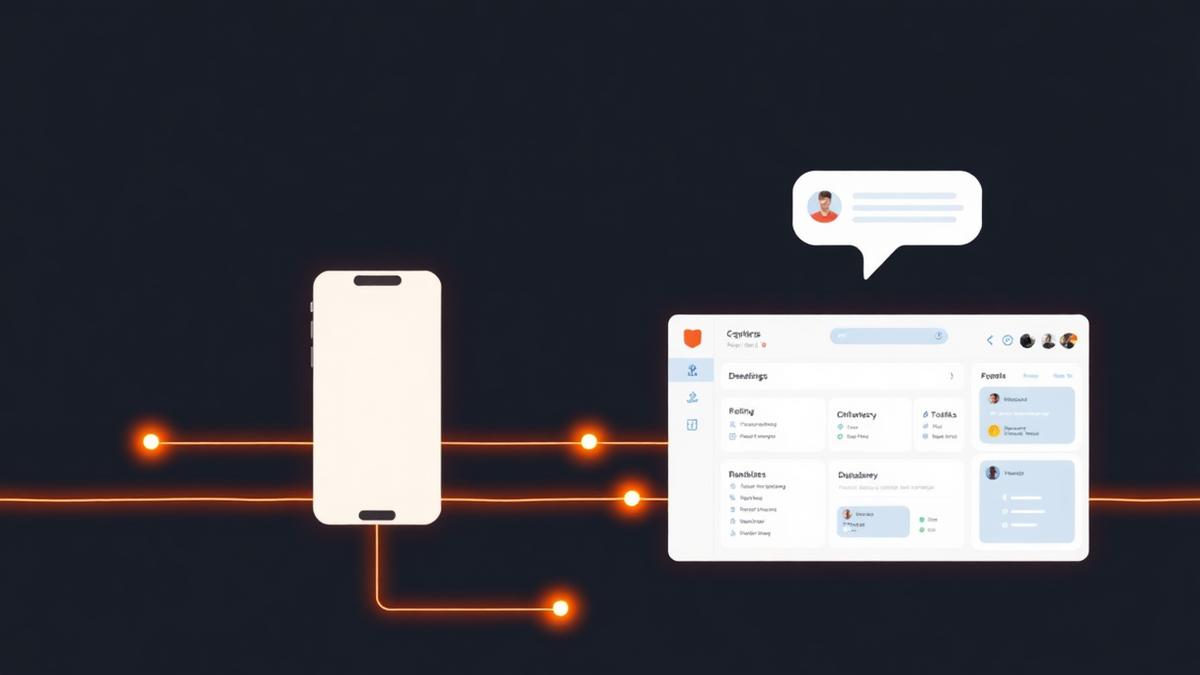
Many pest control companies attempt to modernise operations by purchasing individual point solutions. An operator might buy a web chat plugin from one vendor, an automated phone dialer from another, an answering bot, and a third-party scheduling integration. This creates what engineers call the lattice problem. Multiple disconnected plugins are stitched together using fragile API webhooks and third-party middleware. When a customer in Northridge calls about field rodents during fall harvest, or a property manager in Campustown requests immediate bed bug sweeps in August, information easily slips through the cracks. If an API contract changes or a server drops a webhook, no single vendor takes responsibility. The pest control operator becomes an unintended systems integrator, spending evenings troubleshooting software failures instead of running routes. During peak demand periods in Ames, integration debt manifests as missed calls, double-booked technicians, and lost revenue. When call volumes spike during student turnover, a lattice of independent software tools inevitably fractures under load. Disconnected plugins fail because they lack a unified database architecture and central oversight. Resolving this technical debt requires abandoning piecemeal software subscriptions in favor of a single connected platform maintained by dedicated technical professionals.
unified AI systems with dedicated engineering support
The alternative to a fragile plugin lattice is a unified AI system built and monitored by a dedicated implementation partner. Pest AI operates as an implementation partner rather than a self-service software vendor. Instead of handing operators a login and expecting them to construct their own workflows, we design, deploy, and maintain custom AI systems tailored to local market conditions. Our system integrates customer intake, intelligent dispatching, and field operations into a coherent pipeline. When new calls enter the system during the August rental rush, PestCRM, which serves as the AI Sales System, evaluates call urgency, checks route density along Lincoln Way or South Duff Avenue, and captures payment details instantly. When harvest season pushes rodents into garages near Nevada or Gilbert, the AI handles after-hours emergency inquiries flawlessly. Furthermore, offline channels like direct mail are natively integrated. PestMail utilizes direct mail triggers based on real-time service data, sending targeted physical mailers to surrounding homes whenever a field rodent service is booked on an outer Ames street. Because dedicated engineers back the platform, API updates and database maintenance happen behind the scenes, eliminating technical debt for the operator.
critical evaluation criteria for Ames pest control AI
When evaluating AI systems for an Ames pest control business, owners must look past flashy sales demonstrations and scrutinize concrete operational criteria. The local market demands specific system capabilities capable of handling severe seasonal swings, complex property structures, and unique local account requirements. An evaluation framework should focus on how well an AI platform processes concurrent incoming calls when Iowa State University student move-ins peak, and how intelligently it routes service technicians along Lincoln Way, Grand Avenue, and out toward US Route 30. Furthermore, the system must accommodate specialized protocol tagging for agricultural research accounts and university properties that require certified technicians or specific documentation before entry. Operators should test whether an AI system maintains persistent context across phone, text, and physical direct mail channels, ensuring that prospect details captured during a phone inquiry seamlessly feed into PestCRM, the AI Sales System. Another vital criterion is technical accountability. The system should be fully managed by engineering teams who maintain backend integrations, preventing system downtime when call volumes surge. Evaluating software based on these structural benchmarks ensures your business selects a resilient architecture that supports sustainable growth throughout Story County.
- High-volume phone concurrency capable of taking dozens of simultaneous calls during peak August student move-in weeks without placing callers on hold.
- Custom rule sets for agricultural facilities and Iowa State research accounts in outlying areas like Gilbert and Nevada that require specific technician credentials or bio-security protocols.
- Automated geographical grouping along major transit corridors like Interstate 35 and US Route 30 to maximize route density during high-demand fall months.
- Direct synchronization between phone intake, schedule availability, and customer management databases to prevent double-booking during cluster fly and box elder bug season.
- Integrated multi-channel communications, combining voice intake, text follow-ups, and physical direct mail triggers like PestMail without relying on third-party middleware plugins.
managing seasonal swings from Campustown to outer Story County
Managing pest control operations in Story County requires balancing intense urban student density with expansive rural geography. In August, the operational focus centers on rental turnover near Campustown, where short service windows demand immediate phone intake and rapid dispatching. As autumn progresses, the primary challenge shifts to the surrounding agricultural perimeter. Combines clearing soybean and corn fields drive field mice and rats into structures on the edges of Northridge, South Ames, Nevada, and Gilbert. Simultaneously, older residential structures in Old Town face annual swarms of overwintering cluster flies and box elder bugs seeking shelter as temperatures drop. A unified AI system responds dynamically to these distinct geographical and seasonal demands. During rental turnover, the AI captures inquiries from tenants and property managers 24 hours a day, qualifying leads and filling schedule slots without human delay. When field rodent calls spike in October, the system intelligently clusters service appointments by neighborhood, preventing technicians from burning billable hours driving back and forth across Interstate 35. By automating intake and optimizing route schedules based on real-time local demand patterns, the AI system protects your profit margins through every seasonal shift.
how Pest AI partners with Story County operators
Pest AI acts as a true implementation partner for pest control operators serving Ames and surrounding Story County communities. We do not sell self-service software licenses that leave your staff struggling with setup and maintenance. Instead, our team builds, deploys, and actively manages custom AI systems tailored specifically to your company's operating model. We integrate phone intake, intelligent scheduling, and sales pipelines directly into your central database. When student move-in week generates hundreds of calls or harvest season triggers a rush of rodent service inquiries, our infrastructure ensures zero dropped calls and zero lost sales opportunities. Features like PestMail automatically execute hyper-local direct mail campaigns to neighboring properties whenever technicians complete service calls in high-demand neighborhoods like Northridge or South Ames. Because Pest AI maintains complete ownership of the underlying technical architecture, your team never spends time resolving broken integrations, API updates, or platform glitches. You focus on delivering expert pest control service, managing field technicians, and expanding commercial accounts across Ames, Nevada, and Gilbert, while our engineering team ensures your AI sales and intake engine operates continuously at peak performance.
Signals to check in your own Ames numbers
- Inbound call drop rates during the mid-August Iowa State student move-in week.
- Uncaptured service requests originating from Northridge and South Ames during soybean harvest.
- Average response time for specialized ag facility requests in Nevada and Gilbert.
- Re-service request rates for box elder bug and cluster fly calls in Old Town.
- Percentage of field rodent quotes closed outside standard office operating hours.
Where this leads
For most Ames operators this decision points at the AI Sales System. We are an implementation partner, not a DIY platform, we build the AI systems around how your market actually behaves, hand them over documented, and your team runs them. The national version of this question, without the local specifics, is covered in our AI guide.
Ames questions we get asked
More Ames guides
- Should you use AIShould I use AI in my Ames pest control business?
- Will customers talk to AIWill pest control customers in Ames talk to AI?
- Speed to leadHow can Ames pest control companies win with speed-to-lead?
- Best software stackWhat is the best pest control software for Ames operators?
- Local marketingHow should pest control companies in Ames market themselves locally?
- Reviews & reputationHow can Ames pest control companies get more reviews and protect their reputation?
- Seasonal playbookWhat is the seasonal pest control playbook for Ames?
- Commercial AIHow does AI help commercial pest control accounts in Ames?
- Hiring vs AIShould Ames pest control operators hire office staff or use AI?
Related guides in your area
More reading for operators working Ames, IA and the markets around it.
The same question in nearby markets
Want a straight read on your own Ames numbers? A discovery call is a conversation, not a demo, and we will tell you if you are better off waiting.
Book a Discovery Call