
Salt marsh mosquitoes drive relentless seasonal demand
The marsh surrounding Glynn County produces mosquito pressure that no single treatment resolves, which makes recurring outdoor programs the backbone of a coastal book.
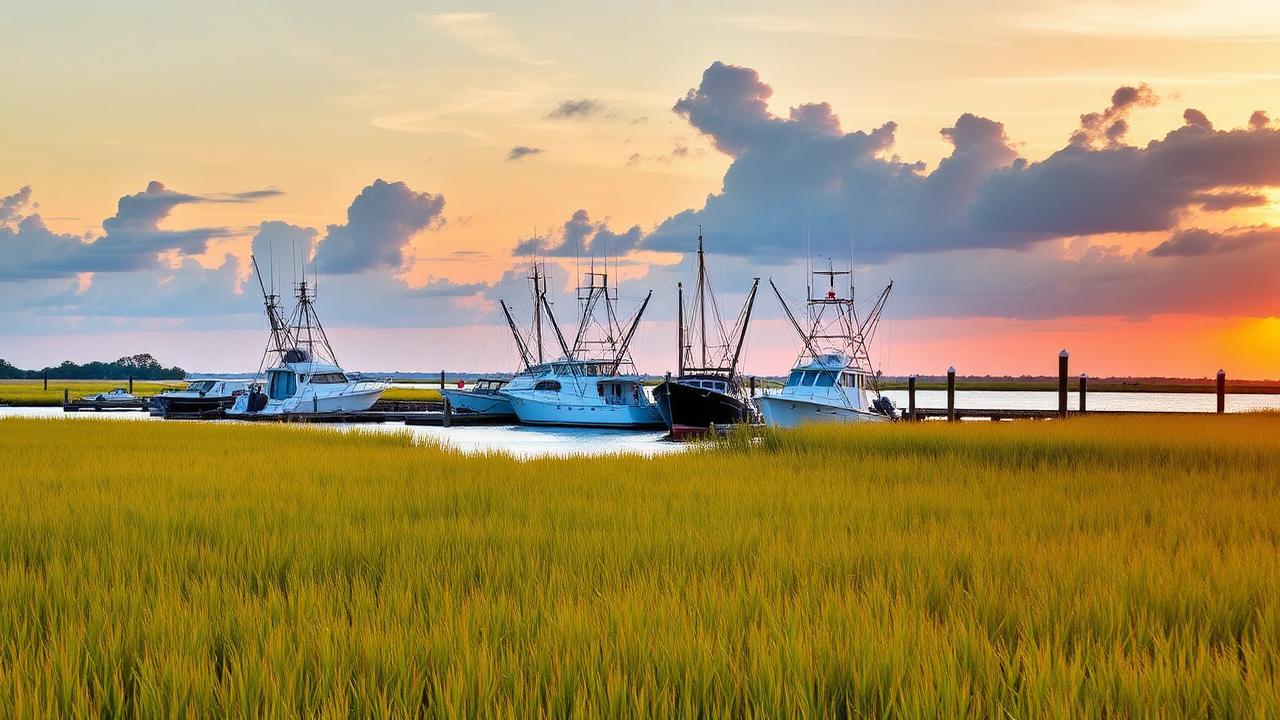
Marsh on three sides, a causeway between you and half your customers, and vacation rentals that only open up between a Sunday checkout and a Friday arrival.
Typical Brunswick implementation goes live in about 30-90 days.
Brunswick operators serve a mainland city and a set of barrier islands connected by a handful of causeways, and everything else follows from that.
The marsh surrounding Glynn County produces mosquito pressure that no single treatment resolves, which makes recurring outdoor programs the backbone of a coastal book.
A job on St. Simons or Jekyll cannot be squeezed between two mainland appointments. Island work has to be grouped or it eats the day.
Island rental inventory turns over on a weekend cycle, so a treatment either fits the changeover gap or waits a week.
Elevated homes, crawlspaces, and older coastal construction hold moisture, sustaining fungus, wood-destroying organism, and termite work through most of the year.
Commercial work around the Port of Brunswick comes with its own access, documentation, and scheduling requirements that do not belong on a residential route.
Darien and the Altamaha River delta bring their own resident-crab and marsh-insect complaints that a Glynn County crew serving mainland Brunswick doesn't see on a typical residential route, and quoting those jobs usually takes a site visit before a firm price.
Downtown Brunswick's historic district carries wood-frame homes from the early 1900s, many on pier foundations, where termite and wood-destroying organism inspections tied to real estate closings are a steady, separate stream of work from the coastal rental business.
We build the island grouping, rental windows, and commercial rules into your systems and hand them to your team.
The AI Sales System books St. Simons and Jekyll jobs into dedicated blocks so a single causeway trip covers several stops.
See the AI Sales SystemVoice AI answers day or night and books into the changeover window, which is often decided on a Sunday evening.
See Voice AIMessaging AI collects entry information before the drive, so a causeway trip never ends at a locked door.
See Messaging AIOutbound Campaigns put recurring marsh mosquito service in front of your base in early spring.
See Outbound CampaignsWant to see what this looks like against your own Brunswick call volume? We will walk through it on a 30-minute call.
Book a Discovery CallIsland grouping, rental windows, and commercial access rules are configured during onboarding.
We have a deep, purpose-built FieldRoutes integration, and over 1,000 API connections available for everything else, so your Brunswick operation keeps one source of truth instead of four.
All third-party product names, logos, and brands are property of their respective owners. Use of these names does not imply endorsement or affiliation.
Geography does the deciding here. Half the high-value work sits across a causeway, and the rental accounts that generate it make their decisions outside business hours. Operators adopt AI to capture those calls the moment they arrive and then group the resulting jobs so the drive is worth taking. The mosquito program renewals are the second reason, because that revenue is entirely dependent on reaching customers before the season starts.
Deciding whether AI is right for your business at all is a separate question from which market you are in. We answer it honestly, including when the answer is not yet, in our AI decision guides, starting with should I use AI in my pest control business.
Brunswick's pest pattern follows the coastal Georgia marsh cycle, the island rental season, and the Atlantic hurricane calendar, three overlapping schedules that rarely line up with a standard four-season pattern.
As marsh grass greens up around Glynn County, the first mosquito broods of the year emerge from the salt marsh, and St. Simons and Jekyll Island rental properties reopening after a slow winter often reveal rodent activity that moved in while the cabin sat empty.
Termite swarms follow the season's first heavy rains around historic downtown Brunswick's older pier-foundation homes, and rising humidity along the coast accelerates wood-destroying organism activity in crawlspaces that never fully dry out this close to the marsh.
Peak beach season fills St. Simons, Jekyll, and Sea Island rental inventory completely, and salt marsh mosquito pressure hits its yearly high, making recurring outdoor treatments the most requested service of the summer alongside wasp and yellow jacket calls near outdoor dining decks.
Atlantic hurricane season brings the year's most disruptive pattern for coastal Georgia, with tropical systems capable of flooding low-lying marsh-adjacent streets and pushing rodents and fire ants out of flooded burrows into nearby homes within days of a storm's landfall.
The Silver Dollar City-style holiday lights events on the islands draw a final tourism bump before winter vacancy sets in, and property managers use the slower late-December stretch to schedule preventive rodent exclusion ahead of the empty months.
With much of the island rental inventory sitting vacant, mice and rats move into empty cabins and beach houses undetected, and the mildest Georgia winters mean marsh mosquito larvae never fully die off, so the season's first adult mosquitoes can appear on unusually warm February afternoons.
Brunswick's service area splits between a mainland city core and a string of barrier islands reachable only by causeway, and that split shapes route planning more than any single neighborhood characteristic does.
Every St. Simons stop requires crossing the Torras Causeway from the mainland, and traffic backups during summer beach season or storm evacuations can turn a short crossing into a long delay, so island stops are grouped to minimize the number of round trips in a week.
Jekyll Island is managed by the Jekyll Island Authority, and commercial vehicles need to account for causeway tolls and the island's parking and access rules, particularly during peak tourist weekends when the island can reach visitor capacity.
Sea Island's residential areas operate under private security and gated access, so service visits typically require advance notice and vehicle registration with the community's security office before a crew can get past the gate.
Streets near the marsh on the mainland side of Brunswick can flood during king tides or after heavy rain, and crews familiar with those tidal patterns plan routes to those blocks around the tide table rather than getting caught by rising water mid-route.
Commercial pest contracts serving the Port of Brunswick's auto and cargo terminals require TWIC-adjacent security clearance and coordination with port authority scheduling, a process that looks nothing like booking a residential island rental.
Stops out toward Darien and the unincorporated parts of Glynn County beyond the city core involve long stretches of two-lane highway with few appointments per mile, so those trips are typically bundled onto a single day rather than worked in one at a time between in-town jobs.
More reading for operators working Brunswick, GA and the markets around it.
Location-specific guides written for the pest pressure, routes, and customer behavior of this market.
A short one-pager on the Brunswick market, the systems we build for operators here, and how implementation runs, written to be printed and passed around.
Last updated 2026-09-17
Try the messaging AI that answers texts, webchat, and social for pest control teams.
Start a ChatUse our free pest control AI assistant today, no contract, no setup call.
Try PestGPT FreeA week with rental turnovers, mosquito complaints, and mainland residential stacked together shows exactly how much of your day the causeway is taking.
The Georgia guide covers statewide pest pressure, licensing and call patterns, and links every Georgia city guide we publish, including this one.