
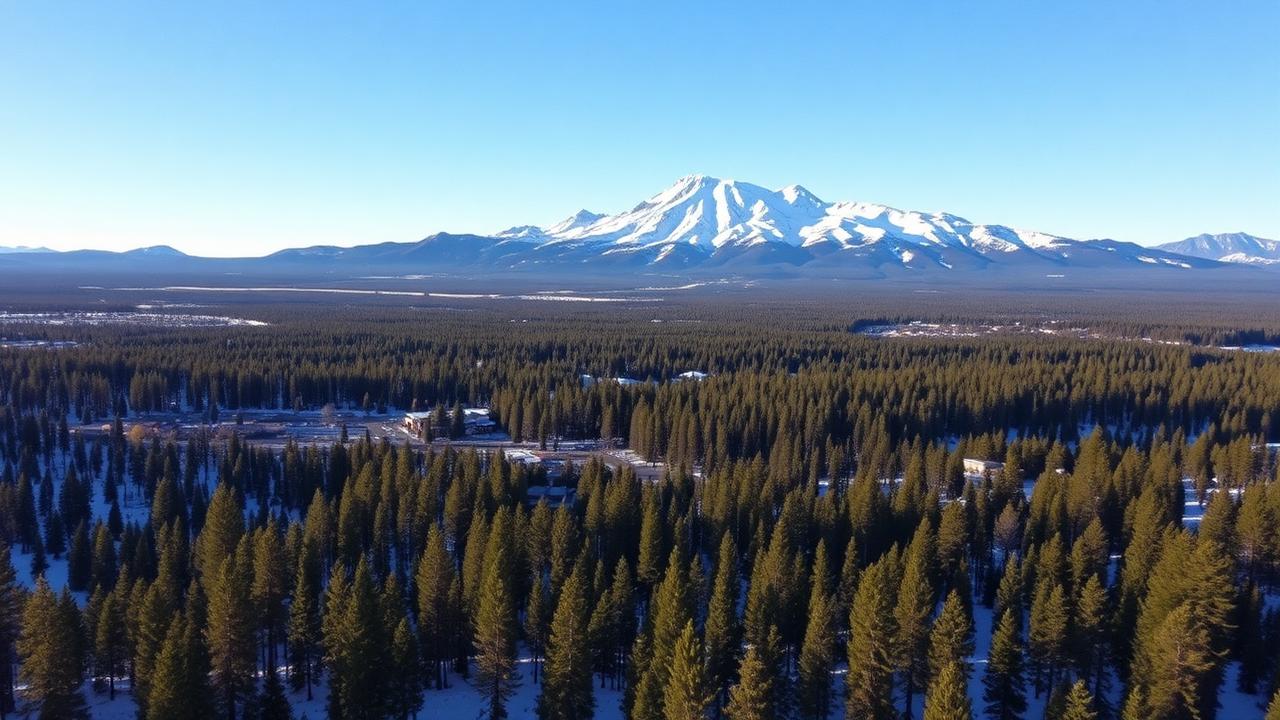
Ponderosa pine forest surrounding Flagstaff with the San Francisco Peaks in the background
    Flagstaff, Arizona

    Pest Control Software Built for Flagstaff Operators

    Deer mice pushing into attics ahead of the first hard freeze, a tourist population that triples in summer, and a service radius that climbs and drops thousands of feet in elevation. We build the AI systems that answer the phone the moment a cabin owner hears scratching in the ceiling.

    Typical Flagstaff implementation goes live in about 30-90 days.

    Why Flagstaff pest work does not run on a Phoenix playbook

    At 7,000 feet, the pest calendar and the customer base look nothing like the rest of Arizona.

    Deer mice and pack rats own the fall rush

    As nighttime temperatures drop in September and October, deer mice and pack rats move into attics, garages, and vehicle engine bays across Flagstaff, Bellemont, and the Mountainside neighborhoods. Hantavirus concerns make these calls urgent, not routine, and callers expect a real answer the same day.

    Elevation splits your service area into two climates

    Flagstaff sits far higher and colder than the pest pressure most Arizona companies plan around, while nearby Sedona and the Verde Valley run warmer, scorpion-and-termite conditions. Crews and quotes have to shift depending on which side of the Mogollon Rim a customer lives on.

    Summer tourism triples the population overnight

    Route 66 traffic, Grand Canyon day-trippers, and NAU move-in weekends push short-term rentals and hotels to capacity from June through August, and every one of those properties needs fast pest response to protect reviews. A missed call during a July weekend is a lost commercial account.

    Winter storms shut down roads and phones at the same time

    Heavy snow on I-17 and I-40 can strand crews and cut office staffing for a day or two, right when indoor rodent calls spike. Customers still call during the storm; someone has to be there to answer even when the truck cannot roll until morning.

    What we build for you

    What that means for your phones and your crews

    We build around a small-market operation, not a Valley-sized call center.

    Catch the attic-scratching call before it goes to a competitor

    Voice AI answers immediately, asks the right rodent-specific questions, and books an inspection into your route, even on a night when your office is a one-person team.

    See Voice AI

    Handle rental and hotel accounts without a dedicated commercial line

    Messaging AI manages simultaneous texts and emails from short-term rental managers and hotel staff during the summer crunch, so a busy August week does not mean silence on the other lines.

    See Messaging AI

    Keep leads warm when a storm delays the crew

    The AI Sales System follows up automatically with anyone who called during a road closure, so a delayed inspection does not turn into a lost customer once the snow clears.

    See the AI Sales System

    Want to see what this looks like against your own Flagstaff call volume? We will walk through it on a 30-minute call.

    Book a Discovery Call

    Operators across northern Arizona

    Service areas across elevation zones and seasonal population shifts are configured during onboarding.

    • Flagstaff
    • Bellemont
    • Kachina Village
    • Munds Park
    • Sedona
    • Williams
    • Doney Park

    Connected to the software you already run

    We have a deep, purpose-built FieldRoutes integration, and over 1,000 API connections available for everything else, so your Flagstaff operation keeps one source of truth instead of four.

    All third-party product names, logos, and brands are property of their respective owners. Use of these names does not imply endorsement or affiliation.

    What AI adoption looks like in Flagstaff

    Flagstaff is a small market with an outsized swing between a quiet winter office and a summer that runs at tourist-town speed. Operators here cannot staff for August year-round, and they cannot afford to miss a September rodent call because the one person answering phones is out on a job. AI adoption in this market is less about volume and more about never having a gap.

    • Rodent-driven fall surge tied directly to overnight temperature drops
    • Summer tourism roughly triples call-worthy properties for three months
    • Winter road closures can cut off office staffing without warning
    • Elevation splits the service area between mountain and Verde Valley climates

    Deciding whether AI is right for your business at all is a separate question from which market you are in. We answer it honestly, including when the answer is not yet, in our AI decision guides, starting with should I use AI in my pest control business.

    Flagstaff's pest calendar: elevation and tourism drive the swings

    Flagstaff's pest calendar tracks nighttime temperature and tourist traffic more than the desert seasons most Arizona companies plan around.

    March - April

    As snowpack melts off around the San Francisco Peaks and NAU students return from spring break, homes near Bellemont and Fort Valley Road start reporting the season's first wasps investigating eaves and woodpiles.

    May - June

    NAU move-out weekends and the ramp-up of Grand Canyon tourist traffic through downtown fill short-term rentals and hotels along Route 66, and property managers start requesting pretreatment before summer guest turnover peaks.

    July - August

    Peak monsoon season brings sudden downpours that flood low-lying yards near the Rio de Flag, pushing crickets and spiders indoors, while occupancy at Route 66 hotels and cabins near Munds Park sits at its highest point of the year.

    September

    As NAU's fall semester begins and tourist traffic starts to taper, cooler overnight lows in the high 30s begin nudging deer mice and pack rats toward garages and vehicle engine bays in Kachina Village and Mountainside.

    October - November

    The fall rodent rush hits its peak as nighttime temperatures drop below freezing consistently, and hantavirus-conscious homeowners across Flagstaff and Doney Park expect same-day callbacks rather than a routine scheduling window.

    December - February

    Heavy snow can close I-17 and I-40 for a day or more, cutting off both crew travel and office staffing right as indoor rodent activity in attics and crawlspaces remains steady through the coldest stretch of winter.

    Running crews across elevation zones and seasonal traffic swings

    Flagstaff's service area spans a mountain town core, outlying communities at different elevations, and a summer tourist population that can triple overnight, so routing and staffing both have to flex hard across the year.

    I-17 and I-40 are the only reliable routes in and out

    Nearly every trip to Munds Park, Bellemont, or Williams funnels through one of these two interstates, so a winter closure on either one can strand a route for the day rather than just slow it down.

    Elevation gain adds real drive time on short-looking trips

    A stop that looks close on a map, like Kachina Village or Mountainside, can take longer than expected once winding mountain roads and elevation changes are factored in, especially with snow on the ground.

    Summer tourist traffic on Route 66 slows downtown stops

    Grand Canyon day-trip traffic clogs the historic downtown corridor from June through August, so technicians servicing hotels and rentals near Route 66 often build extra time into those midday stops.

    NAU academic calendar shifts rental turnover dates

    Student housing and off-campus rentals near NAU turn over heavily around move-in and move-out weekends, creating short, predictable windows when several units need inspection or treatment back to back.

    Winter road maintenance prioritizes highways over side streets

    Neighborhood streets in Sedona-adjacent areas and older parts of Flagstaff can stay snow-packed longer than the interstates, so winter routing sometimes pushes those stops later once plows have cleared them.

    Sedona and Verde Valley trips require a climate mindset shift

    Dropping a few thousand feet in elevation toward Sedona changes the pest pressure from Flagstaff's rodent-and-cold pattern to a warmer scorpion-and-termite pattern, so crews working both areas in one day switch equipment and talking points between stops.

    Coconino National Forest boundaries affect wildlife-call response

    Homes backing directly onto forest service land near Kachina Village or Munds Park see more elk, javelina, and rodent traffic than in-town properties, so those calls often get flagged for a longer on-site inspection.

    A small labor pool means scheduling has little slack during peak season

    With a limited number of technicians available in a market this size, a single summer sick day or truck breakdown can back up the whole week, which is part of why phone coverage during peak hours matters as much as crew capacity.

    Flagstaff pest control questions we get asked

    Flagstaff AI guides

    Location-specific guides written for the pest pressure, routes, and customer behavior of this market.

    Flagstaff overview
    • Should you use AIShould I use AI in my Flagstaff pest control business?Coming soon.
    • Will customers talk to AIWill pest control customers in Flagstaff talk to AI?Coming soon.
    • Best AI for pest controlWhat is the best AI for pest control in Flagstaff?Coming soon.
    • Speed to leadHow can Flagstaff pest control companies win with speed-to-lead?Coming soon.
    • Best software stackWhat is the best pest control software for Flagstaff operators?Coming soon.
    • Local marketingHow should pest control companies in Flagstaff market themselves locally?Coming soon.
    • Reviews & reputationHow can Flagstaff pest control companies get more reviews and protect their reputation?Coming soon.
    • Seasonal playbookWhat is the seasonal pest control playbook for Flagstaff?Coming soon.
    • Commercial AIHow does AI help commercial pest control accounts in Flagstaff?Coming soon.
    • Hiring vs AIShould Flagstaff pest control operators hire office staff or use AI?Coming soon.
    Free 48 KB PDF

    Download the Flagstaff, AZ Pest Control AI Playbook

    A short one-pager on the Flagstaff market, the systems we build for operators here, and how implementation runs, written to be printed and passed around.

    • A Flagstaff market snapshot, the pressure that drives your call volume
    • The AI systems we run for operators here, in plain language
    • What a 30-day implementation actually looks like
    • Printable, so you can hand it to your office team

    Last updated 2026-09-17

    Loading the Flagstaff playbook form

    Three ways to see it working in Flagstaff

    Book a demo

    A 30-minute walkthrough against your own Flagstaff call volume.

    Book a Discovery Call

    Start a chat

    Try the messaging AI that answers texts, webchat, and social for pest control teams.

    Start a Chat

    Start free with PestGPT

    Use our free pest control AI assistant today, no contract, no setup call.

    Try PestGPT Free
    Final step

    Let's look at your fall rodent-season numbers

    Pull your call log from last October. We will show you how many attic and scratching-in-the-walls calls came in after hours and never got a callback.

    • A real review of your intake, not a canned demo
    • 30 minutes, and a typical implementation runs about 30-90 days
    • No contract to talk. We never share your details.

    Request your Flagstaff walkthrough

    Prefer to pick a time yourself? Book a Discovery Call