
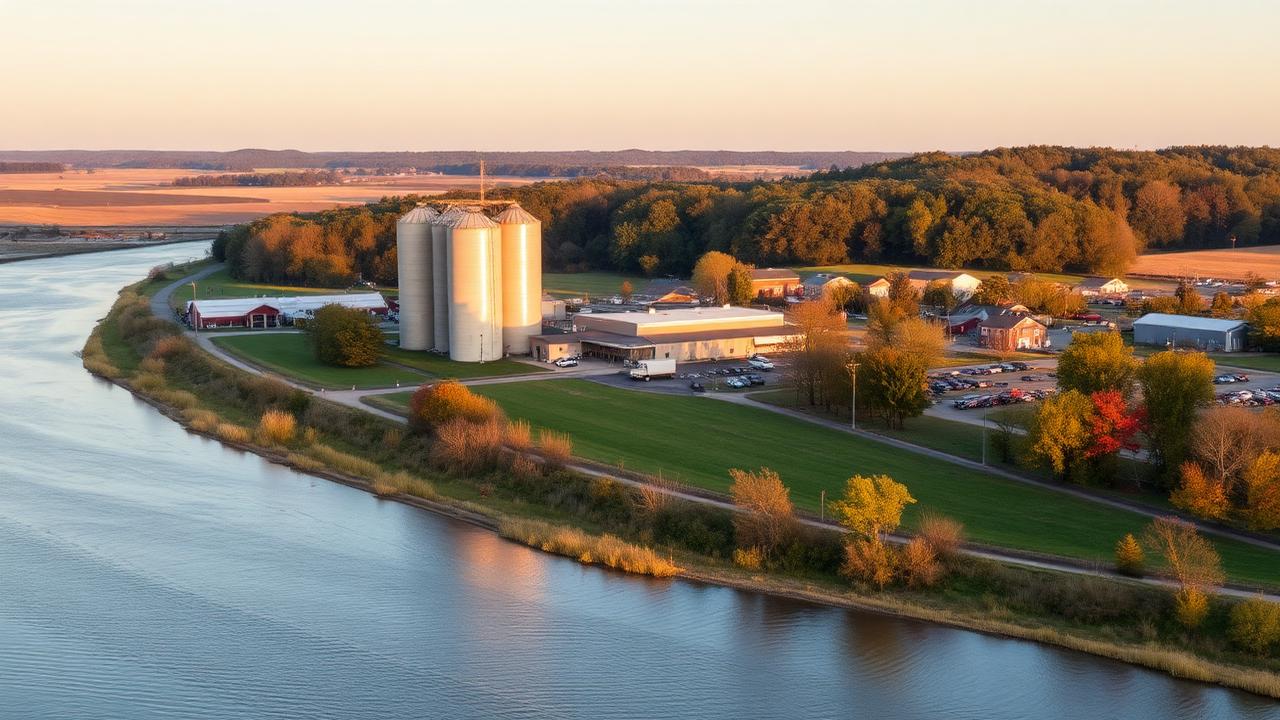
Farmland and grain storage bins along the Ohio River near Henderson, Kentucky
    Henderson, Kentucky

    Pest Control Software Built for Henderson, KY Operators

    Henderson sits surrounded by corn and soybean fields that push mice and rats toward homes every harvest, and the grain elevators along the Ohio River need pest coverage that never lapses. We build the AI systems that answer both the panicked homeowner and the grain facility manager without missing either one.

    Typical Henderson implementation goes live in about 30-90 days.

    Why Henderson pest work does not run on a Louisville playbook

    A farm-economy service area along the Ohio River creates a pest calendar built around planting and harvest, not just weather.

    Harvest season pushes field rodents toward every home on the edge of town

    When combines start moving through the corn and soybean fields surrounding Henderson each September and October, mice and rats displaced from the fields head straight for the nearest structure, and homes along Zion Road and Anthoston see the sharpest spike.

    Grain elevators and storage facilities run on a strict pest-audit clock

    The grain terminals along the Ohio River depend on documented pest control service to protect stored corn and soybeans from contamination, and a missed scheduled treatment can jeopardize a shipment contract, not just a customer relationship.

    River humidity keeps mosquito complaints high through late summer

    Low-lying neighborhoods near the river and around Audubon Mill Park deal with standing water and mosquito pressure well into September, and customers expect a callback the same day a backyard becomes unusable.

    Older Henderson housing stock brings steady fall mouse pressure

    The historic homes near downtown Henderson and along North Elm Street have enough gaps in siding and foundations that mice find their way in every year once temperatures drop, often in clusters right after the first frost.

    Termite swarms follow the spring thaw along the river bottoms

    Warm, moist soil near the river bottoms accelerates termite activity each spring, and homeowners in flood-adjacent neighborhoods tend to call the moment they see swarmers near a window well.

    Riverport industrial growth is adding new commercial accounts

    Warehouse and light-industrial development tied to the Riverport industrial park brings recurring commercial pest contracts that need documentation for food-safety and storage clients, a different sales conversation than a residential rodent call.

    What we build for you

    What that means for your phones and your crews

    We build around a farm-economy service area, not a generic suburban call center.

    Catch the harvest-season rodent call before a competitor answers first

    Voice AI answers immediately, asks the field-proximity questions that matter for a rodent job, and books the inspection into your route even during the busiest weeks of harvest.

    See Voice AI

    Keep grain facility accounts compliant without a dedicated commercial line

    Messaging AI manages service confirmations and documentation requests from grain elevator and storage facility managers, so a scheduled audit-critical treatment never slips through a busy week.

    See Messaging AI

    Follow up automatically once the harvest rush eases

    The AI Sales System keeps every October inquiry warm, so a homeowner who called during peak rodent season still hears back once your crew works through the backlog.

    See the AI Sales System

    Want to see what this looks like against your own Henderson call volume? We will walk through it on a 30-minute call.

    Book a Discovery Call

    Operators across the Ohio River farm economy

    Service areas spanning town neighborhoods and surrounding farmland routes are configured during onboarding.

    • Henderson
    • Corydon
    • Robards
    • Zion
    • Anthoston
    • Smith Mills
    • Spottsville

    Connected to the software you already run

    We have a deep, purpose-built FieldRoutes integration, and over 1,000 API connections available for everything else, so your Henderson operation keeps one source of truth instead of four.

    All third-party product names, logos, and brands are property of their respective owners. Use of these names does not imply endorsement or affiliation.

    What AI adoption looks like in Henderson

    Henderson runs on an agricultural calendar, and the pest pressure that matters most here is tied to planting and harvest, not just temperature swings. Operators serving both homeowners and grain facilities need a system that treats a commercial contract deadline with the same urgency as a scared homeowner's first rodent call. AI adoption in this market is about covering both without losing track of either.

    • Harvest timing across surrounding farmland drives a sharp, predictable rodent call spike each fall
    • Grain elevator and storage accounts carry contractual pest-audit deadlines, not casual service windows
    • Older housing stock near downtown creates steady fall mouse pressure independent of the farm cycle
    • A small office cannot staff for both a farm-economy surge and routine residential calls without automation

    Deciding whether AI is right for your business at all is a separate question from which market you are in. We answer it honestly, including when the answer is not yet, in our AI decision guides, starting with should I use AI in my pest control business.

    The Henderson pest calendar, built around the farm cycle

    Western Kentucky's river-bottom soil, humid summers, and surrounding row-crop farmland drive a pest calendar tied more to planting and harvest than to the thermometer.

    March - May

    Warming river-bottom soil triggers subterranean termite swarms in older neighborhoods near downtown and along North Elm Street, and homeowners in flood-adjacent areas often call within a day of seeing swarmers near a foundation or window well. Spring planting stirs field mice and voles as tillage disturbs their winter burrows, sending an early, smaller wave toward field-edge properties well before the fall harvest surge.

    June - August

    Humidity off the Ohio River keeps mosquito complaints high in low-lying areas around Audubon Mill Park and other riverside neighborhoods, with standing water in ditches and drainage areas sustaining populations through the hottest months. Ants and wasps become the steadiest residential call type as outdoor activity peaks, and grain facilities increase monitoring frequency as summer heat accelerates stored-product pest activity in corn and soybean inventory.

    September - October

    Combine harvest through the fields surrounding Henderson displaces large numbers of mice and rats at once, and this is the single sharpest call spike of the year, concentrated in homes along Zion Road, Anthoston, and other field-adjacent addresses. Grain elevators along the river ramp up pest monitoring to protect freshly harvested corn and soybeans moving into storage, making this the busiest season for commercial audit-driven service as well.

    November - February

    Mice continue moving into older Henderson housing stock through the winter as outdoor food sources disappear, with historic homes near downtown seeing clustered activity right after the first hard frost. Grain storage accounts maintain steady monitoring through winter since stored inventory remains vulnerable to rodents and stored-product insects even in cold weather, keeping commercial service calls from dropping off the way residential volume does.

    Early spring: termite swarms along the river bottoms

    As soil temperatures climb along the Ohio River bottoms each April, subterranean termite colonies swarm heavily in older homes near downtown and in flood-adjacent neighborhoods where moisture is more consistent. These swarms often prompt same-week service requests, since homeowners in this area are generally aware of the river's termite reputation and act quickly once they see winged insects near a foundation.

    Fall harvest: the defining rodent surge

    Nothing in Henderson's pest calendar compares to the volume generated when combines move through the corn and soybean fields ringing the town each September and October. Displaced field rodents move toward the nearest structure in large numbers, and homes bordering farmland see calls cluster within days of a nearby field being cut, making this the single most predictable and highest-volume window of the year for residential rodent work.

    What routing the Henderson farm economy actually costs you

    Henderson's service area stretches from a compact downtown out into genuinely rural farmland, and the harvest surge makes efficient routing matter more here than in a typical suburban market.

    Harvest week overwhelms a route built for normal volume

    The two or three weeks when combines move through fields around Zion, Anthoston, and Robards generate a call spike that a standard weekly schedule cannot absorb without turning away work or pushing customers into next week, which is exactly when a scared homeowner wants same-week service.

    US-41 and the Pennyrile Parkway are the fastest way out of town

    Reaching rural stops near Corydon or Smith Mills efficiently means using these two corridors as anchor points rather than winding through secondary county roads, and a route built without them loses significant time on longer farmland stops.

    Grain facility visits need documentation built into the job, not added after

    Audit-critical service at riverfront grain terminals requires signed documentation at time of service, and treating this like a standard residential stop risks a facility manager needing a callback for paperwork that should have been captured on-site.

    Field-adjacent addresses need to be flagged before dispatch

    Knowing in advance that a property backs up to recently harvested farmland lets a tech arrive with rodent-specific materials rather than a general pest kit, which matters most during the September and October surge.

    Historic downtown homes need a longer default appointment window

    Older construction near North Elm Street and downtown often has multiple points of entry accumulated over decades of additions, and scheduling these like a newer suburban home understaffs the visit.

    River-adjacent properties need extra care around flood history

    Homes near the Ohio River bottoms carry a higher baseline termite and moisture risk, and factoring flood history into scheduling and treatment recommendations avoids under-treating a property that looks routine on the surface.

    Commercial grain accounts should be scheduled apart from residential swarms

    Grouping grain elevator and storage visits into a dedicated block, separate from the harvest-season residential rush, keeps contractual audit deadlines from getting crowded out by same-day homeowner emergencies.

    Riverport industrial growth is adding stops outside the traditional service radius

    New warehouse and light-industrial tenants near the Riverport park sit slightly outside Henderson's historic core service area, and building these into existing routes rather than treating each as a special trip keeps commercial growth from dragging down route efficiency.

    Henderson, KY pest control questions we get asked

    Henderson AI guides

    Location-specific guides written for the pest pressure, routes, and customer behavior of this market.

    Henderson overview
    • Should you use AIShould I use AI in my Henderson pest control business?Coming soon.
    • Will customers talk to AIWill pest control customers in Henderson talk to AI?Coming soon.
    • Best AI for pest controlWhat is the best AI for pest control in Henderson?Coming soon.
    • Speed to leadHow can Henderson pest control companies win with speed-to-lead?Coming soon.
    • Best software stackWhat is the best pest control software for Henderson operators?Coming soon.
    • Local marketingHow should pest control companies in Henderson market themselves locally?Coming soon.
    • Reviews & reputationHow can Henderson pest control companies get more reviews and protect their reputation?Coming soon.
    • Seasonal playbookWhat is the seasonal pest control playbook for Henderson?Coming soon.
    • Commercial AIHow does AI help commercial pest control accounts in Henderson?Coming soon.
    • Hiring vs AIShould Henderson pest control operators hire office staff or use AI?Coming soon.
    Free 48 KB PDF

    Download the Henderson, KY Pest Control AI Playbook

    A short one-pager on the Henderson market, the systems we build for operators here, and how implementation runs, written to be printed and passed around.

    • A Henderson market snapshot, the pressure that drives your call volume
    • The AI systems we run for operators here, in plain language
    • What a 30-day implementation actually looks like
    • Printable, so you can hand it to your office team

    Last updated 2026-09-17

    Loading the Henderson playbook form

    Three ways to see it working in Henderson

    Book a demo

    A 30-minute walkthrough against your own Henderson call volume.

    Book a Discovery Call

    Start a chat

    Try the messaging AI that answers texts, webchat, and social for pest control teams.

    Start a Chat

    Start free with PestGPT

    Use our free pest control AI assistant today, no contract, no setup call.

    Try PestGPT Free
    Final step

    Let's look at your harvest-season call volume

    Pull your call log from last October. We will show you how many rodent calls came in from properties near farmland and never got a same-day callback.

    • A real review of your intake, not a canned demo
    • 30 minutes, and a typical implementation runs about 30-90 days
    • No contract to talk. We never share your details.

    Request your Henderson walkthrough

    Prefer to pick a time yourself? Book a Discovery Call