
Fall harvest pushes field mice and rats toward town
As combines clear the fields surrounding Aberdeen, rodents move into garages, sheds and homes on the city's edges.
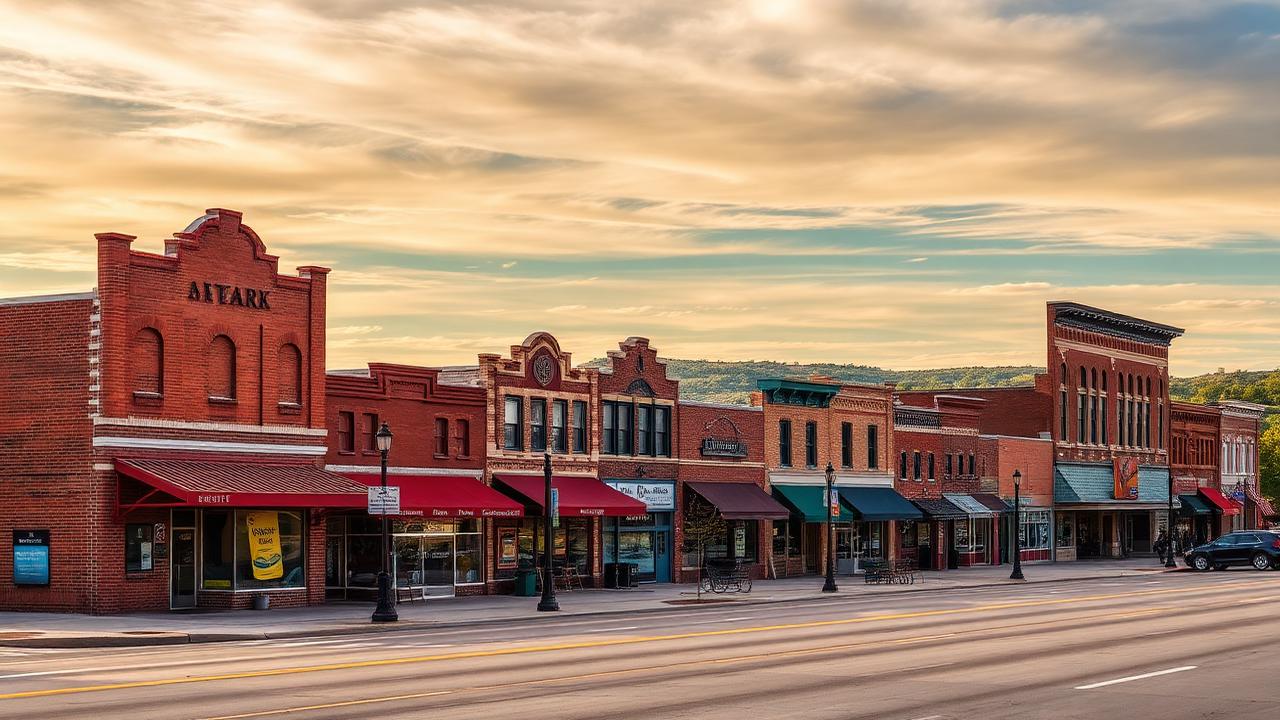
Farmland surrounding the city pushing field mice indoors as fields clear each fall, prairie winters cold enough to make every rodent look for shelter, and a farm-supply economy that keeps commercial demand steady. Our AI systems keep every call captured while your crews work Brown County.
Typical Aberdeen implementation goes live in about 30-90 days.
Aberdeen sits in the middle of Northeast South Dakota farm country, and that surrounding farmland dictates a pest calendar built around harvest timing and hard prairie winters.
As combines clear the fields surrounding Aberdeen, rodents move into garages, sheds and homes on the city's edges.
As temperatures drop hard and fast, overwintering insects seeking shelter create a steady run of exclusion requests across established neighborhoods.
Downtown's historic storefronts and farm-supply businesses expect reliable seasonal treatment schedules.
Grain elevators and farm-supply facilities require technicians familiar with stored-product pests and ag-specific protocols.
We configure around harvest-season rodent surges and farm-supply commercial reliability.
Voice AI answers around the clock during the harvest-to-frost window when field rodent activity peaks.
See Voice AIMessaging AI confirms scheduling windows so cluster fly and rodent exclusion work gets done before deep freeze sets in.
See Messaging AIThe AI Sales System flags farm-supply and grain elevator accounts so they reach technicians equipped for ag-specific protocols.
See the AI Sales SystemWant to see what this looks like against your own Aberdeen call volume? We will walk through it on a 30-minute call.
Book a Discovery CallService areas from Aberdeen out through Groton, Frederick and Warner are configured during onboarding.
We have a deep, purpose-built FieldRoutes integration, and over 1,000 API connections available for everything else, so your Aberdeen operation keeps one source of truth instead of four.
All third-party product names, logos, and brands are property of their respective owners. Use of these names does not imply endorsement or affiliation.
Aberdeen operators work a market shaped by surrounding farmland and hard prairie winters, where fall harvest and grain-storage accounts drive distinct but predictable demand. AI intake keeps every Aberdeen call and every deadline accounted for.
Deciding whether AI is right for your business at all is a separate question from which market you are in. We answer it honestly, including when the answer is not yet, in our AI decision guides, starting with should I use AI in my pest control business.
Aberdeen's position in the middle of Northeast South Dakota farm country means the pest calendar runs on planting and harvest cycles as much as temperature. Crews that plan around field activity stay ahead of the surge that hits every fall.
As frost leaves the ground around Brown County farmland, overwintering box elder bugs and cluster flies that spent winter in wall voids along Main Street and residential blocks in North Aberdeen start emerging inside homes, prompting a steady run of exclusion calls. Ants also begin foraging as soil warms, particularly around older South Aberdeen homes with mature trees and garden beds close to foundations. Farm-supply businesses along Highway 12 typically schedule spring service ahead of planting season to keep storage areas clear before new inventory arrives.
Grain elevators and farm-supply facilities scattered around Aberdeen's edges see steady stored-product pest activity through the growing season as feed and seed inventory moves through storage. Residential ant calls continue through summer, especially in older North Aberdeen neighborhoods with slab foundations that warm quickly. This is also when wasp and hornet nest calls pick up around outbuildings on farmsteads surrounding the city, as the insects build nests through the warm months undisturbed until harvest equipment gets moved.
As combines clear soybean and corn fields across the farmland ringing Aberdeen, field mice and voles that lived in the stubble lose their cover almost overnight and move toward the nearest shelter, which is often garages, sheds, and homes on the city's outer edges near Groton Road and Frederick Highway. This is Aberdeen's busiest pest season, and calls concentrate heavily in the two to three weeks immediately following each farm's harvest completion, meaning volume can spike unevenly across the county depending on which fields come in first.
Once hard frost sets in and temperatures fall well below freezing for extended stretches, any field rodents that didn't already find their way indoors during harvest push hard for shelter, and cluster flies and box elder bugs already inside settle into wall voids for the winter. Downtown Main Street's older storefronts and farm-supply warehouses need consistent winter exclusion work to keep rodents out of stored inventory, and residential exclusion requests continue through the coldest months as homeowners notice activity in garages and basements.
Aberdeen's spread-out farm-county service area, harvest-driven volume swings, and Highway 12 corridor call for route planning that flexes with the season. Here's what that looks like for crews.
Highway 12 runs east-west through Aberdeen connecting toward Groton, while Highway 281 handles the north-south route toward Frederick and Warner, and most rural service calls require a full drive out one of these corridors and back. Grouping farmstead and outlying stops by which highway they sit on, rather than crisscrossing between the two in a single day, saves significant windshield time given how spread out Brown County's farmland accounts are.
Because the fall rodent surge follows each farm's individual harvest completion rather than a single county-wide date, dispatchers who stay in contact with regular ag accounts about expected harvest timing can pre-schedule exclusion visits right as fields clear, rather than reacting after calls start coming in. This kind of proactive routing keeps response times tight during Aberdeen's highest-volume weeks.
Downtown Aberdeen and the Main Street commercial corridor pack several farm-supply and retail accounts into a walkable few blocks, letting techs knock out multiple stops quickly, while a single rural call toward Warner or Frederick can consume most of a morning in drive time alone. Balancing route sheets so rural trips get bundled with two or three nearby farmstead stops, rather than a single isolated visit, keeps overall daily stop counts reasonable.
The September-to-October harvest surge and the deep-freeze exclusion demand that follows through winter both push call volume well past what a summer-sized crew handles comfortably. Adding seasonal capacity or shifting techs from summer stored-product and wasp work into fall rodent exclusion keeps Aberdeen's response times from slipping during its two busiest stretches of the year.
More reading for operators working Aberdeen, SD and the markets around it.
Location-specific guides written for the pest pressure, routes, and customer behavior of this market.
A short one-pager on the Aberdeen market, the systems we build for operators here, and how implementation runs, written to be printed and passed around.
Last updated 2026-09-17
Try the messaging AI that answers texts, webchat, and social for pest control teams.
Start a ChatUse our free pest control AI assistant today, no contract, no setup call.
Try PestGPT FreePull last October and November. We'll show you how many rodent calls came in as the fields cleared and never got a callback.
The South Dakota guide covers statewide pest pressure, licensing and call patterns, and links every South Dakota city guide we publish, including this one.